

What Are Social Volunteers and Why Are They Important in Society?
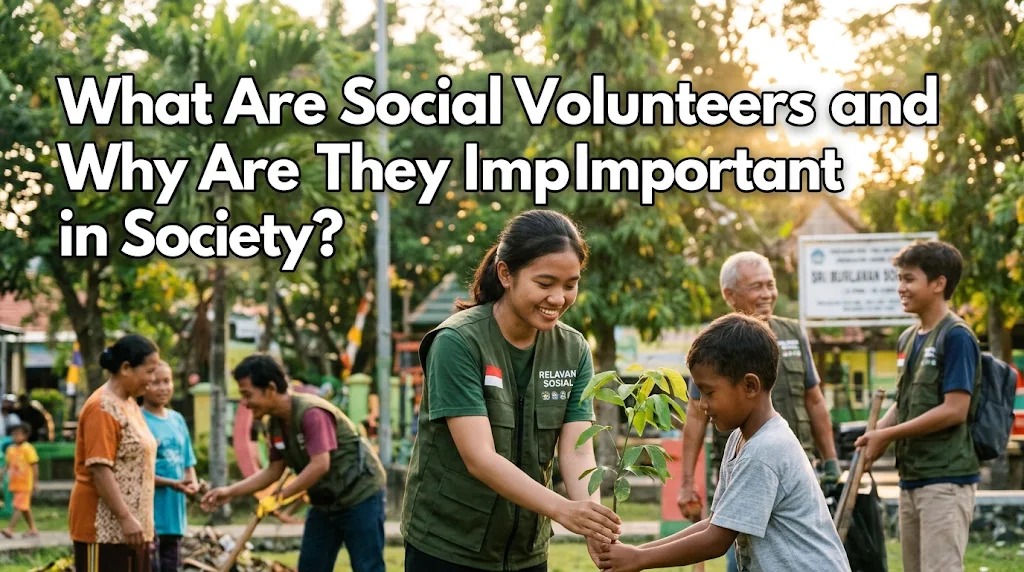
Social volunteers are people who willingly give their time, energy, skills, and knowledge to help others without expecting financial rewards. They take part in various activities that support individuals, families, and communities facing difficulties. Their contributions can include helping disaster victims, supporting children and older people, protecting the environment, and assisting communities with limited resources.
Social volunteers play an important role in building a caring and supportive society. Their actions encourage people to work together, understand social problems, and create positive changes. Although their contributions may seem small, consistent volunteer activities can improve people's lives and strengthen relationships within communities.
WHAT ARE SOCIAL VOLUNTEERS?
Social volunteers are individuals who participate in activities designed to help people and improve community welfare. They usually work through social organizations, nonprofit institutions, community groups, or independent initiatives. Their main motivation is to make a positive difference rather than receive payment or personal benefits.
Volunteer activities can take many forms depending on the needs of the community. Some volunteers distribute food and essential supplies, while others teach children, assist older people, support public health campaigns, or help clean the environment. They may also provide emotional support and share useful information with people experiencing difficult situations.
Anyone who has a willingness to help and a responsible attitude can become a social volunteer. Students, employees, professionals, and community members can all contribute according to their abilities. Some activities require special knowledge or training, but many others welcome beginners who are ready to learn and cooperate with a team.
WHY ARE SOCIAL VOLUNTEERS IMPORTANT IN SOCIETY?
Social volunteers are important because they help address problems that individuals and communities cannot always solve alone. Poverty, natural disasters, limited educational access, and social inequality can create difficulties for many people. Volunteers support existing social services by providing additional assistance and helping communities respond to these challenges.
Their involvement also encourages solidarity and cooperation. When people from different backgrounds work together, they learn to understand other people's experiences and needs. This creates stronger social connections and encourages a culture of empathy, respect, and mutual support.
Social volunteers can also help raise public awareness of important issues. Through educational programs, community campaigns, and direct activities, they encourage people to take responsibility for their surroundings. Their actions show that improving society is not only the responsibility of governments or large organizations but also a shared effort involving ordinary citizens.
WHAT ACTIVITIES DO SOCIAL VOLUNTEERS USUALLY DO?
Social volunteers participate in many activities depending on the purpose of their organizations and the needs of the people they serve. One common activity is humanitarian assistance, such as distributing food, clothing, clean water, and emergency supplies to disaster victims. During emergencies, volunteers may also help organize donations, prepare temporary shelters, and support evacuation efforts under appropriate coordination.
Education is another important area of volunteer work. Volunteers may teach children, provide free tutoring, organize reading programs, or help people develop basic digital skills. These activities can improve access to knowledge, especially for communities with limited educational resources.
Volunteers also contribute to health and environmental programs. They may support public health campaigns, share information about healthy lifestyles, organize community cleanups, and participate in tree-planting activities. Through these efforts, volunteers help communities develop healthier environments and become more aware of shared responsibilities.
WHAT BENEFITS DO SOCIAL VOLUNTEERS PROVIDE TO COMMUNITIES?
Social volunteer activities provide practical support to people who need assistance. Food distribution, educational support, and disaster relief can help individuals meet urgent needs and improve their daily lives. These contributions can be especially valuable in communities where public resources and social services are limited.
Volunteers also help strengthen relationships among community members. Working together creates opportunities for people to communicate, share experiences, and develop trust. When residents participate in solving local problems, they can build a stronger sense of belonging and encourage long-term cooperation.
Another important benefit is the development of community awareness and independence. Volunteers do not always provide direct assistance; they can also share knowledge and encourage people to find solutions to their own challenges. For example, educational programs and skills training can help individuals improve their abilities and become more confident in managing their future.
WHAT SKILLS AND VALUES SHOULD SOCIAL VOLUNTEERS HAVE?
Social volunteers need several basic skills and positive values to carry out their responsibilities effectively. Communication is important because volunteers must understand people's needs, explain information clearly, and cooperate with other team members. They should also practice active listening so that the assistance they provide is appropriate and respectful.
Empathy, patience, honesty, and responsibility are equally important. Volunteers often meet people with different backgrounds and difficult experiences, so they must avoid judging others and respect individual differences. They should also understand personal boundaries, protect confidential information, and follow the rules established by their organizations.
Teamwork and problem-solving skills can make volunteer activities more effective. Volunteers need to share responsibilities, follow instructions, and adapt when unexpected situations occur. With proper preparation and a willingness to learn, they can contribute safely and responsibly while improving their abilities through experience.
CONCLUSION
Social volunteers are people who willingly contribute their time, energy, and skills to support individuals and communities. They play an important role in addressing social problems, providing humanitarian assistance, supporting education, and improving public awareness. Their activities also strengthen solidarity, encourage cooperation, and create a greater sense of responsibility among community members.
A caring society needs people who are willing to help others and take part in positive community activities. Everyone can contribute according to their abilities, whether through direct assistance, sharing knowledge, or supporting social programs. By working together, social volunteers and communities can create meaningful improvements and build a more supportive society.
Recent Posts

Bagaimana Sistem SKS pada Program Kuliah... 22.11.2026/27 View

How Does Technology Make Daily Evaluation... 21.11.2026/65 View

Apa Strategi Menghadapi Kesenjangan antara Kompetensi... 21.11.2026/65 View

Mengapa Inventaris Aset Penting bagi Kelancaran... 21.11.2026/62 View

When Should Musicians Join a Record... 21.11.2026/63 View
