

What Are Some Examples of Intangible Cultural Heritage Still Practiced Today?
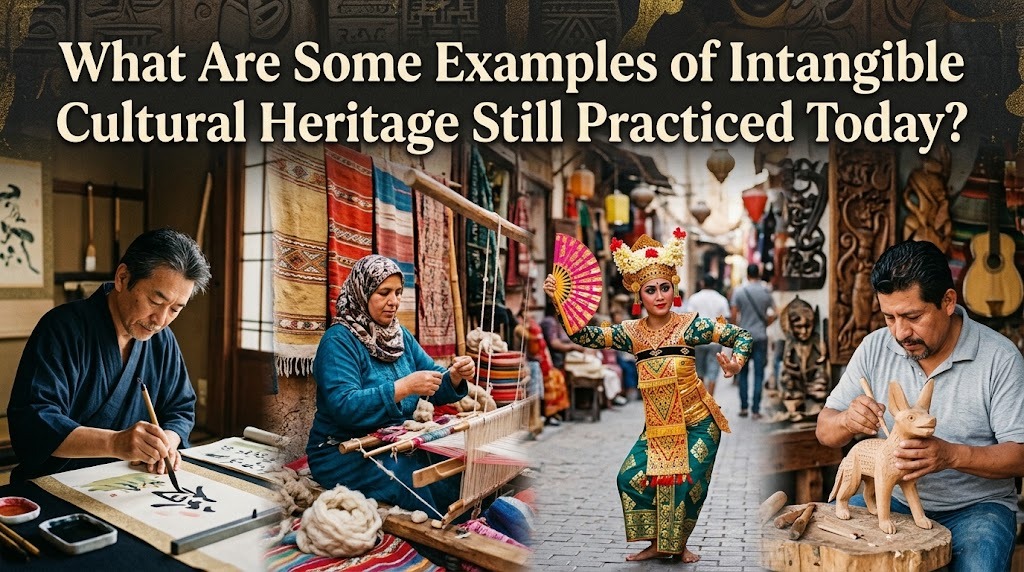
Intangible cultural heritage refers to traditions, knowledge, skills, and cultural expressions passed down from one generation to another. Unlike historical buildings or physical artifacts, intangible heritage lives through people's daily activities, performances, celebrations, and social interactions. Examples include traditional dances, music, storytelling, local languages, rituals, and handicraft techniques. These practices help communities maintain their cultural identity and understand their historical roots. Many forms of intangible cultural heritage are still practiced today, demonstrating how traditions can remain meaningful in modern society.
TRADITIONAL DANCES AND PERFORMANCES
Traditional dances are important examples of intangible cultural heritage because they communicate cultural values through movement, music, costumes, and storytelling. In Indonesia, dances such as Saman from Aceh and traditional Balinese dances continue to be performed during cultural celebrations, religious events, and community gatherings. These performances often require years of practice and guidance from experienced teachers. Dancers learn specific movements and understand the cultural meanings associated with each performance. By teaching these skills to younger generations, communities help ensure that their dance traditions remain alive.
Traditional performances can also introduce cultural heritage to wider audiences. Festivals, schools, cultural centers, and tourism programs provide opportunities for dancers to share their traditions. Some performances incorporate modern staging or technology while maintaining their essential movements and meanings. However, cultural practitioners should be involved in decisions about how traditional dances are presented. Respecting their knowledge helps preserve the authenticity and significance of these living traditions.
TRADITIONAL MUSIC AND MUSICAL INSTRUMENTS
Traditional music remains an important part of cultural life in many communities. Indonesian gamelan, angklung, and other regional musical traditions are still performed during ceremonies, festivals, educational activities, and artistic events. Musicians learn how to play traditional instruments through practice and instruction from experienced performers. The music often reflects local history, beliefs, and social relationships. Group performances also encourage cooperation because musicians must coordinate their rhythms and melodies.
Traditional music has adapted to modern environments through recordings, online performances, and collaborations with contemporary musicians. Schools and cultural organizations offer opportunities for younger people to learn traditional instruments. Digital platforms also make recordings accessible to audiences around the world. Nevertheless, live instruction and community participation remain important for transmitting musical techniques and cultural knowledge. Combining digital resources with direct learning can help traditional music continue across generations.
TRADITIONAL CRAFTS AND HANDICRAFT TECHNIQUES
Traditional crafts are another example of intangible cultural heritage because they depend on specialized knowledge and practical skills. Indonesian batik, traditional weaving, pottery, wood carving, and kris craftsmanship demonstrate how artistic techniques are passed from experienced craftspeople to apprentices. These practices often involve knowledge of materials, patterns, tools, and production methods developed over many generations. Some designs also carry cultural meanings connected to local history, social values, or ceremonial activities. Continued practice allows craftspeople to preserve these techniques while creating products for modern use.
Traditional crafts remain relevant through local markets, exhibitions, cultural workshops, and online businesses. Contemporary designers may incorporate traditional patterns into clothing, accessories, or interior decorations. This can create economic opportunities for craftspeople and attract younger generations to traditional skills. However, commercial development should respect cultural meanings and provide fair recognition and compensation to the people who create the work. Supporting traditional crafts helps protect both artistic knowledge and the livelihoods of cultural practitioners.
ORAL TRADITIONS AND STORYTELLING
Oral traditions include folktales, legends, proverbs, poems, songs, and historical narratives shared through spoken language. They help communities communicate values, explain historical events, and preserve knowledge that may not exist in written records. In Indonesia, traditional storytelling and wayang performances often share stories about moral choices, community responsibilities, and historical figures. Older generations frequently pass these stories to children through family conversations and cultural gatherings. The stories may change slightly over time, reflecting the experiences and creativity of different communities.
Modern technology provides additional ways to preserve oral traditions. Communities can record storytelling sessions, publish digital collections, and share traditional narratives through educational videos or podcasts. These resources can help younger people learn stories that they might not encounter in everyday life. However, recordings should be made with permission and should accurately represent the community's traditions. Encouraging people to continue telling stories in person is equally important because oral heritage depends on active communication between generations.
TRADITIONAL FOOD AND CULINARY KNOWLEDGE
Traditional food represents an important form of living cultural heritage because recipes, cooking methods, and food customs are passed down through families and communities. Indonesian dishes such as rendang, gudeg, and regional varieties of traditional snacks reflect local ingredients, historical influences, and distinctive cooking techniques. Culinary knowledge includes more than recipes because it also involves food preparation, preservation, serving customs, and the occasions when certain dishes are prepared. Families often teach these practices through shared cooking activities. As a result, traditional food can strengthen family relationships and community identity.
Traditional culinary practices continue through homes, local restaurants, food markets, and cultural festivals. Social media and cooking videos also introduce regional dishes to wider audiences. Some cooks adapt traditional recipes to accommodate modern ingredients or changing lifestyles. While these adaptations can help traditional food remain popular, preserving knowledge of original techniques and cultural meanings is also valuable. Supporting local food producers and learning recipes from experienced cooks can help maintain culinary heritage.
TRADITIONAL CEREMONIES AND COMMUNITY RITUALS
Traditional ceremonies and rituals express the beliefs, values, and social relationships of a community. They may mark important life events, seasonal changes, religious occasions, or significant moments in community history. In Indonesia, examples include wedding customs, harvest celebrations, and regional ceremonies that bring families and neighbors together. These practices often involve specific clothing, music, food, symbolic objects, and customary procedures. Their meanings are usually learned through participation and guidance from community members.
Many ceremonies continue today even as lifestyles and social conditions change. Some communities modify certain elements to fit modern circumstances while maintaining the practices they consider most meaningful. Younger generations can learn about these traditions by participating in appropriate activities and listening to explanations from elders. Cultural preservation should also respect the beliefs, privacy, and consent of the people involved. When communities actively maintain their ceremonies, they help preserve social connections and cultural knowledge.
TRADITIONAL LANGUAGES AND POETRY
Traditional languages are essential to intangible cultural heritage because they carry local expressions, stories, humor, knowledge, and ways of understanding the world. Indonesia has hundreds of regional languages that are used in family conversations, community activities, literature, and cultural performances. Some communities also maintain poetic traditions, including pantun, which uses carefully arranged verses to communicate advice, emotions, humor, or social messages. These forms of expression help preserve linguistic creativity and cultural identity. Their continued use depends on opportunities for people to learn and speak them in everyday life.
Schools, families, cultural organizations, and digital platforms can help keep traditional languages active. Parents can speak regional languages with their children, while educators can introduce local stories and vocabulary through learning activities. Recording fluent speakers can also help document languages that are becoming less widely used. However, documentation alone cannot replace regular communication between speakers. Encouraging young people to use their local languages in daily life is one of the most effective ways to support their continuation.
TRADITIONAL KNOWLEDGE AND HEALING PRACTICES
Traditional knowledge includes skills and understanding developed by communities through long experience with their natural and social environments. Examples include traditional farming methods, herbal preparations, food preservation, weaving techniques, and knowledge of local plants. In Indonesia, jamu wellness culture involves preparing herbal drinks using ingredients such as turmeric and ginger. Knowledge about selecting ingredients and preparing these drinks has been passed down through families and communities. Such practices reflect cultural relationships with nature and traditional approaches to everyday well-being.
These traditions can continue through family teaching, community workshops, cultural documentation, and responsible research. It is important, however, to distinguish cultural knowledge from scientifically established medical evidence. Traditional remedies should not automatically be considered safe or effective for treating illnesses. Researchers and practitioners should respect community knowledge while evaluating health claims carefully. Responsible preservation allows cultural practices to be understood without replacing appropriate medical advice.
CONCLUSION
Intangible cultural heritage continues to be practiced through traditional dances, music, crafts, storytelling, culinary knowledge, ceremonies, local languages, and traditional skills. These examples show that cultural heritage is not limited to the past but remains part of everyday life in many communities. Families, cultural practitioners, educational institutions, and community organizations all play important roles in passing traditions to younger generations.
Preserving intangible cultural heritage requires regular practice, education, documentation, and respect for the communities that maintain it. Modern technology and creative approaches can help traditions reach new audiences, but direct participation remains essential. By learning local traditions, supporting cultural practitioners, and respecting different cultural expressions, people can help ensure that intangible heritage continues to thrive in the future.
Recent Posts

Bagaimana Sistem SKS pada Program Kuliah... 22.11.2026/49 View

How Does Technology Make Daily Evaluation... 21.11.2026/76 View

Apa Strategi Menghadapi Kesenjangan antara Kompetensi... 21.11.2026/78 View

Mengapa Inventaris Aset Penting bagi Kelancaran... 21.11.2026/74 View

When Should Musicians Join a Record... 21.11.2026/78 View
