

What Are Some Examples of the Industrial Revolution in Everyday Life?
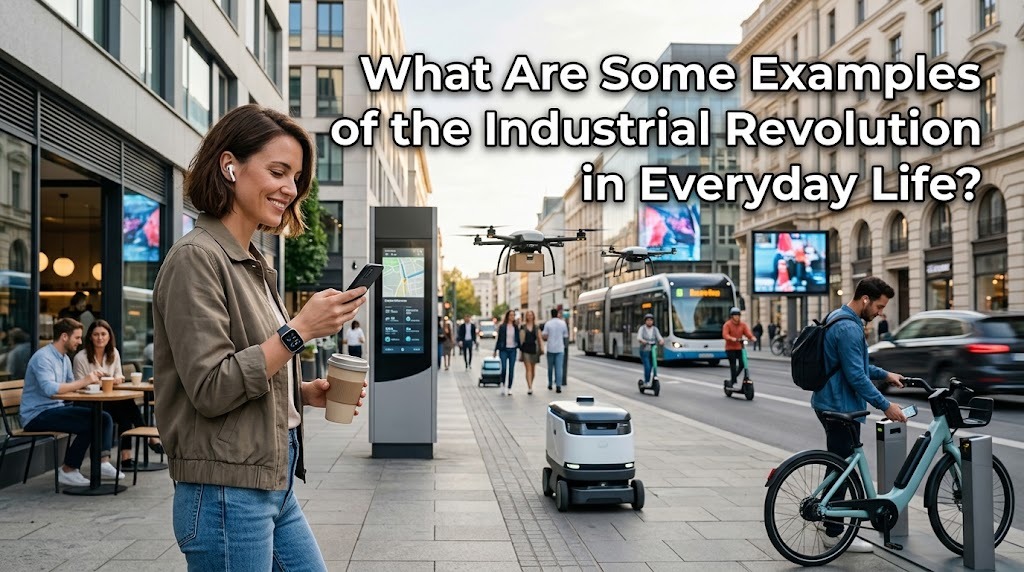
The Industrial Revolution has changed the way people live, work, communicate, and perform everyday activities. What began with the introduction of steam-powered machines has developed into a world shaped by electricity, computers, automation, and artificial intelligence. Today, many technologies that people use at home, at school, at work, and while traveling are connected to industrial progress. These developments make daily activities faster, more convenient, and often more efficient.
The effects of the Industrial Revolution can be seen in household appliances, transportation systems, digital communication, online shopping, and modern healthcare. For example, washing machines reduce the time needed to clean clothes, while smartphones allow people to communicate across long distances within seconds. These innovations reflect how industrial technology has evolved from mechanical production to interconnected digital systems. Understanding these examples helps us recognize the important role of the Industrial Revolution in everyday life and how it continues to shape modern society.
HOUSEHOLD APPLIANCES AND MODERN LIVING
Household appliances are among the clearest examples of the Industrial Revolution's influence on daily life. Devices such as washing machines, refrigerators, vacuum cleaners, and electric rice cookers help people complete domestic tasks more efficiently. Before these technologies became widely available, many household activities required considerable physical effort and time. The development of electricity and mass production made these appliances increasingly accessible to ordinary families.
Modern appliances have also become more advanced through digital technology. Some washing machines automatically adjust water levels and washing cycles, while smart refrigerators can monitor temperature and help users manage food storage. These features can reduce manual work and improve convenience. However, household appliances also consume electricity and may contribute to electronic waste when they are discarded improperly. Using energy-efficient products and maintaining appliances correctly can help reduce their environmental impact.
TRANSPORTATION AND DAILY MOBILITY
Modern transportation demonstrates how industrial innovations have transformed the way people travel. The development of automobiles, motorcycles, trains, buses, and electric vehicles has made it easier for people to travel to work, school, markets, and other destinations. Earlier transportation systems depended heavily on walking, animal power, and relatively slow vehicles. Improvements in engines, manufacturing, road construction, and railway technology expanded mobility and supported economic development.
Digital technology has made transportation even more convenient. Navigation applications help drivers find routes, while online ticketing systems allow passengers to book train, bus, and airplane journeys without visiting ticket counters. Ride-hailing services also connect passengers with drivers through smartphone applications. In addition, electric vehicles offer an alternative to conventional vehicles that use gasoline or diesel, although their environmental benefits depend partly on how electricity is generated and how batteries are produced. These developments show how industrial technology continues to influence everyday travel.
SMARTPHONES AND DIGITAL COMMUNICATION
Smartphones and digital communication are important examples of the Third and Fourth Industrial Revolutions in everyday life. Modern smartphones combine computing, internet access, cameras, navigation, and communication tools in a single device. People can send messages, make video calls, attend online meetings, and access information within seconds. These capabilities have transformed communication from systems that relied mainly on physical letters and traditional telephone networks into fast, interconnected digital services.
Social media, email, and messaging applications also allow people to maintain relationships and exchange information across geographical boundaries. Businesses use digital communication to serve customers, promote products, and coordinate activities with employees. However, excessive smartphone use can reduce concentration, while online platforms may expose users to misinformation, scams, and privacy risks. Developing good digital habits and protecting personal information are therefore essential. When used responsibly, digital communication can improve productivity and make daily life more connected.
ONLINE SHOPPING AND DIGITAL PAYMENTS
The Industrial Revolution has transformed how people purchase goods and manage their money. Online shopping platforms allow consumers to compare products, read reviews, and place orders without visiting physical stores. Warehouses increasingly use digital inventory systems, automated equipment, and data analysis to organize products and process orders. These technologies help businesses manage stock and coordinate deliveries more efficiently.
Digital payments have also changed everyday financial transactions. Mobile banking, electronic wallets, contactless payments, and QR-code payment systems enable customers to pay for products and services using digital devices. In Indonesia, QRIS has helped standardize QR-code payments across participating payment providers, making digital transactions more convenient for consumers and businesses. Nevertheless, online shopping and digital payments involve risks such as fraud, fake websites, and unauthorized access to accounts. Consumers should use trusted platforms, verify payment details, and protect their passwords and verification codes.
EDUCATION AND MODERN WORKPLACES
Industrial and digital technologies have changed how people learn and work. In education, computers, internet access, digital libraries, and online learning platforms help students obtain information and study from different locations. Teachers can use presentations, educational videos, simulations, and interactive exercises to explain complex subjects. These tools can support independent learning and make educational resources more accessible, although students still need reliable internet access and guidance to evaluate information accurately.
In workplaces, computers, industrial machines, and digital management systems help employees complete tasks more efficiently. Office workers can collaborate through video meetings and shared documents, while factory employees may use automated equipment to monitor production. Artificial intelligence can also assist with certain activities, such as organizing information and analyzing data. However, technology may change the skills required for many occupations and reduce demand for some repetitive tasks. Workers who develop digital literacy, critical thinking, communication, and problem-solving skills are better prepared to adapt to these changes.
HEALTHCARE AND SMART TECHNOLOGY
Modern healthcare has benefited significantly from industrial development and technological innovation. Medical equipment such as digital X-ray systems, ultrasound machines, laboratory analyzers, and advanced monitoring devices helps healthcare professionals examine patients and identify health problems. The mass production of medical supplies and improvements in manufacturing have also supported the availability of essential equipment. These advances can improve the speed and accuracy of medical assessments when used by trained professionals.
Digital technology has introduced additional improvements in healthcare services. Telemedicine allows patients to consult healthcare professionals remotely when appropriate, while electronic health records help authorized medical staff manage patient information. Some wearable devices can monitor measurements such as heart rate and physical activity, helping users understand aspects of their daily health. However, technology cannot replace every physical examination or professional medical judgment. Healthcare providers must also protect patient privacy and ensure that digital systems are reliable. These examples demonstrate how industrial progress can support healthcare while requiring careful and responsible use.
CONCLUSION
The Industrial Revolution continues to influence everyday life through household appliances, transportation, smartphones, online shopping, education, workplaces, and healthcare. These technologies have made many activities faster, improved communication, and expanded access to information and services. Their development reflects the transition from mechanical production to electricity, digital systems, automation, and intelligent technologies.
Despite these benefits, industrial progress also creates challenges involving environmental sustainability, cybersecurity, privacy, and changes in employment. People can gain more from modern technology by using it responsibly, protecting personal information, and developing relevant digital skills. With thoughtful use and continued innovation, the Industrial Revolution can continue to improve daily life and support a more productive society.
Recent Posts

Bagaimana Sistem SKS pada Program Kuliah... 22.11.2026/50 View

How Does Technology Make Daily Evaluation... 21.11.2026/79 View

Apa Strategi Menghadapi Kesenjangan antara Kompetensi... 21.11.2026/79 View

Mengapa Inventaris Aset Penting bagi Kelancaran... 21.11.2026/75 View

When Should Musicians Join a Record... 21.11.2026/80 View
