

What Are the Advantages of Using Campus Buses for Students?
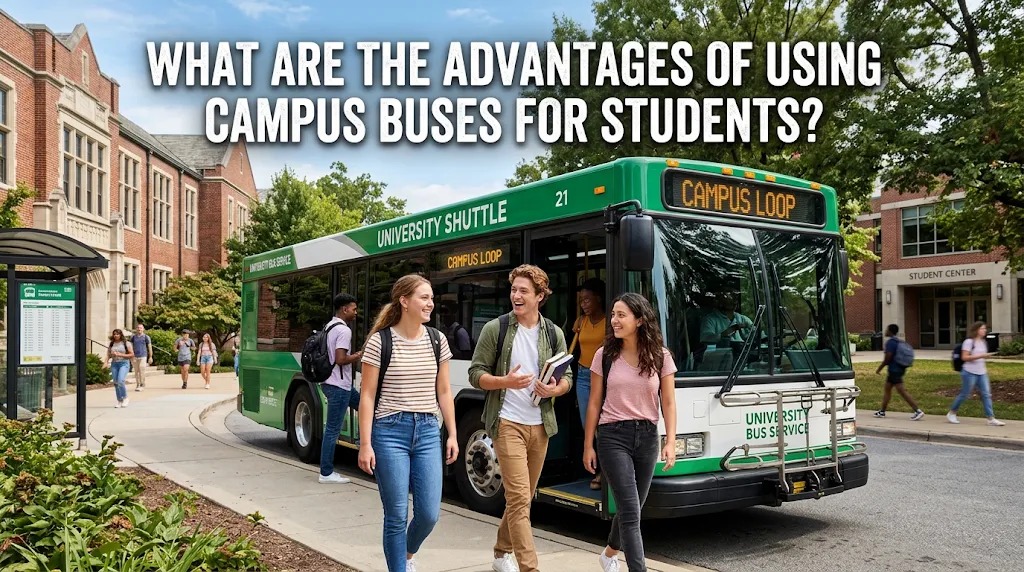
Campus buses are useful transportation facilities that help students move around university areas more easily and comfortably. Many universities provide campus bus services to connect important locations, such as classrooms, libraries, laboratories, dormitories, and student activity centers. This facility allows students to travel without always depending on private vehicles or other forms of transportation.
Using campus buses offers several advantages for students, including lower transportation expenses, better time management, improved safety, and reduced environmental pollution. In addition, campus buses can encourage students to participate in more academic and extracurricular activities. Understanding these benefits can help students make better use of transportation facilities available at their universities.
REDUCING DAILY TRANSPORTATION COSTS
One of the main advantages of campus buses is their ability to reduce students' daily transportation expenses. Students who regularly travel between different campus buildings may spend money on fuel, parking fees, public transportation, or ride-hailing services. Campus buses provide a more affordable alternative because many universities offer free transportation or charge relatively low fares. This is particularly beneficial for students who have limited budgets and need to manage their monthly expenses.
By using campus buses, students can save money for other important needs, such as meals, textbooks, learning materials, and academic activities. They also do not need to worry as much about vehicle maintenance, fuel prices, or parking costs. These savings can become significant for students who travel around campus every day. Therefore, campus buses offer an economical transportation solution that supports students' financial needs.
SAVING TIME AND IMPROVING STUDENT MOBILITY
Campus buses help students travel between different university facilities more efficiently. Large campuses often have classrooms, laboratories, libraries, sports facilities, and dormitories located far apart. Walking between these locations can take considerable time, especially when students have several classes in different buildings. Campus transportation provides a convenient alternative that allows students to reach their destinations without unnecessary physical effort.
Regular bus schedules also help students organize their daily activities. They can plan their journeys according to class schedules and reduce the possibility of arriving late because of long walking distances. However, students should understand the available routes and operating hours to use the service effectively. With proper planning, campus buses can improve daily mobility and support better time management.
IMPROVING STUDENT SAFETY AND COMFORT
Student safety is another important advantage of using campus buses. Students sometimes need to travel early in the morning or return from campus activities in the evening. Walking through distant or quiet areas may create difficulties, particularly when transportation options are limited. Official campus buses can provide a more organized travel option through designated routes, scheduled services, and university transportation management.
Campus buses can also make daily journeys more comfortable. Students do not have to walk long distances under hot weather or heavy rain, which can be physically exhausting. Facilities such as comfortable seats, proper ventilation, sufficient passenger capacity, and accessible boarding areas can improve the travel experience. Universities should also conduct regular vehicle inspections and ensure that drivers follow appropriate safety procedures. These measures help create a safer and more comfortable transportation environment for everyone.
REDUCING TRAFFIC CONGESTION AND ENVIRONMENTAL POLLUTION
Campus buses can reduce the number of private vehicles operating within university areas. When more students use shared transportation, fewer motorcycles and cars are needed for individual journeys. This can help decrease traffic congestion around campus entrances, parking areas, and busy academic buildings. A lower number of private vehicles can also make campus roads more organized and improve access for pedestrians and cyclists.
Shared transportation can contribute to environmental protection by reducing overall fuel consumption and vehicle emissions, depending on the type of buses and their operational efficiency. Universities can increase these benefits by introducing fuel-efficient vehicles, electric buses, and well-planned transportation routes. Encouraging students to use public transportation within campus areas is a practical step toward developing a greener university environment. Therefore, campus buses support not only student mobility but also long-term environmental sustainability.
SUPPORTING ACADEMIC ACTIVITIES AND SOCIAL INTERACTION
Campus buses make it easier for students to participate in academic and extracurricular activities. Students often need to move between lecture buildings, laboratories, libraries, sports facilities, and student organization offices. Convenient transportation helps them access these facilities without spending too much time walking. As a result, students can manage their schedules more effectively and participate in different university activities.
Campus buses also create opportunities for social interaction among students. During their journeys, students can meet people from different study programs, academic years, and social backgrounds. These interactions may help them develop friendships, exchange information, and build wider social connections. In this way, campus buses are not simply transportation facilities but also support a more active and connected university community.
CONCLUSION
Campus buses provide many advantages that can improve students' daily experiences at university. They help reduce transportation expenses, save time, improve mobility, and provide a more comfortable way to travel between campus facilities. These services can also improve transportation safety, reduce traffic congestion, and support environmental sustainability.
To maximize these benefits, students should understand bus routes, follow operating schedules, and maintain good passenger habits. Universities should also provide well-maintained vehicles, reliable schedules, and appropriate safety facilities. With effective management, campus buses can become an essential transportation solution that supports a more affordable, convenient, and sustainable university environment.
Recent Posts

Bagaimana Sistem SKS pada Program Kuliah... 22.11.2026/31 View

How Does Technology Make Daily Evaluation... 21.11.2026/67 View

Apa Strategi Menghadapi Kesenjangan antara Kompetensi... 21.11.2026/66 View

Mengapa Inventaris Aset Penting bagi Kelancaran... 21.11.2026/64 View

When Should Musicians Join a Record... 21.11.2026/65 View
