

What Are the Benefits and Risks of Running a Personal Shopping Business?
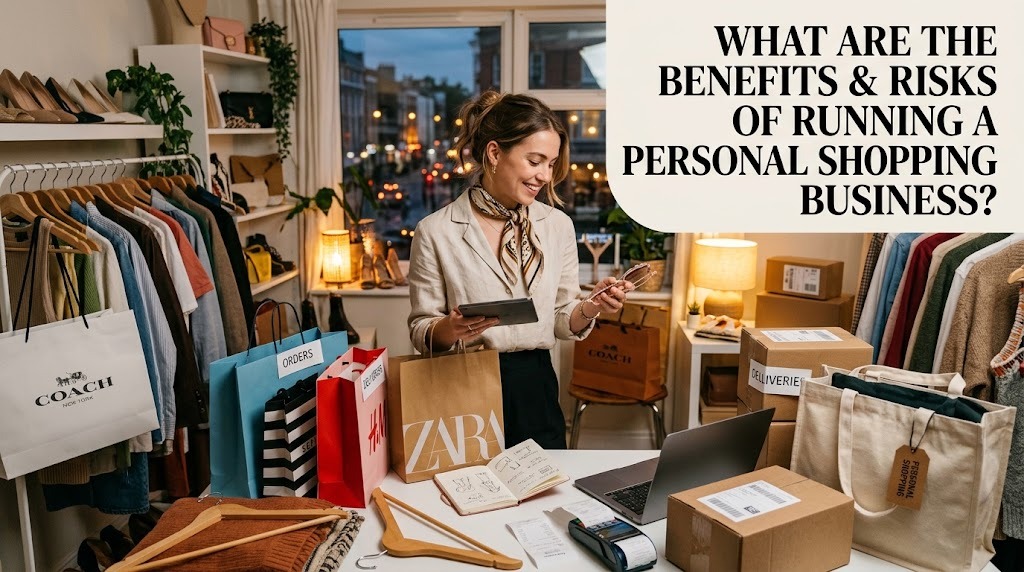
A personal shopping business offers an opportunity for entrepreneurs to earn income by helping customers purchase products they need or want. This business can serve people who have limited time to shop, live far from certain stores, or want access to products that are difficult to find locally. Personal shoppers may handle purchases of clothing, cosmetics, accessories, food, and other items based on customer requests. Although this business can be started on a relatively small scale, it still requires careful planning, reliable suppliers, and effective customer service. Understanding the benefits and risks of a personal shopping business is essential for anyone who wants to operate it successfully.
THE MAIN BENEFITS OF RUNNING A PERSONAL SHOPPING BUSINESS
One of the biggest advantages of a personal shopping business is its flexibility. Entrepreneurs can decide when to accept orders, which products to offer, and how to communicate with customers. They can also operate through social media or messaging applications without immediately renting a physical store. This approach can help reduce initial operating expenses and make the business suitable for beginners. However, the actual startup costs depend on the products, payment arrangements, transportation, and delivery methods involved.
Another important benefit is the opportunity to reach customers with different shopping needs. Some customers want products from specific stores, while others need assistance finding unique or limited-edition items. Personal shoppers can earn income through service fees, commissions where permitted, or agreed markups that are clearly disclosed to customers. The business may also develop repeat customers when shoppers provide consistent service and reliable product information. Over time, a strong reputation can help attract new customers through recommendations and positive reviews.
LOW STARTUP COSTS AND FLEXIBLE BUSINESS OPERATIONS
Compared with a traditional retail business, a personal shopping business may require less initial capital because entrepreneurs do not always need to purchase inventory in advance. In some arrangements, customers pay the product cost before the shopper makes a purchase. This reduces the need to store large quantities of goods and lowers the risk of unsold inventory. Entrepreneurs can begin with a small selection of product categories and expand when they understand customer demand. Nevertheless, they still need to budget for transportation, communication, packaging, payment processing, and other operating expenses.
Flexible operations also allow personal shoppers to adjust their services according to their available time and resources. For example, a shopper may accept orders only on certain days or specialize in products from selected stores. Social media can be used to display available products, announce shopping schedules, and answer customer questions. Digital records can help track orders, payments, and delivery progress without requiring complicated systems. Careful planning is still necessary because accepting too many orders at once can cause delays and reduce service quality.
FINANCIAL RISKS AND UNEXPECTED BUSINESS EXPENSES
Despite its advantages, a personal shopping business can face financial problems if costs are not calculated accurately. Product prices may change, items may become unavailable, and shipping charges may be higher than expected. International purchases can involve currency exchange fluctuations, import duties, taxes, and additional handling fees. If the shopper fails to communicate these expenses clearly, the customer may refuse to pay the additional amount. Therefore, accurate cost calculations and transparent pricing are essential for protecting both the business and its customers.
Another risk involves cancellations, refunds, and customer payments. A shopper may purchase an item only to discover that the customer no longer wants it or cannot complete the payment. This can leave the shopper responsible for goods that are difficult to resell. To reduce this risk, businesses should establish clear policies covering deposits, order confirmations, cancellations, returns, and refunds before accepting requests. They should also keep enough working capital to manage reasonable operating expenses without relying entirely on money intended for other purposes. Separating business funds from personal finances can make financial management more accurate.
CUSTOMER TRUST PRODUCT QUALITY AND SCAM RISKS
Customer trust is one of the most important factors in a personal shopping business. Customers often send money before receiving their products, so they need confidence that the shopper will complete the transaction honestly. Problems can arise when shoppers provide misleading product photographs, fail to disclose additional fees, or cannot show proof of purchase. Counterfeit products and unreliable suppliers can also damage a business's reputation. To prevent these problems, shoppers should purchase from trustworthy sellers, retain receipts, and provide accurate updates about order progress.
Scams can affect personal shoppers as well as customers. Fraudulent customers may submit fake payment confirmations, request unauthorized refunds, or provide incorrect delivery information. Businesses should verify payments through their official banking or payment applications rather than relying on screenshots alone. They should also maintain written order records and use delivery services that provide tracking when appropriate. Clear communication and documented transactions help resolve disputes and provide evidence if problems occur. Protecting personal information and limiting access to customer records are also important responsibilities.
COMPETITION TIME MANAGEMENT AND OPERATIONAL CHALLENGES
The personal shopping market can be competitive because customers may compare service fees, delivery speed, product availability, and seller reputations before choosing a provider. A business that competes only by offering the lowest price may struggle to cover expenses and maintain service quality. Instead, entrepreneurs can differentiate themselves through specialized products, reliable communication, transparent fees, and careful order handling. For example, a shopper who specializes in particular fashion brands may attract customers who value product knowledge and authenticity. Building a recognizable service identity can help a business stand out in a crowded market.
Time management is another challenge, especially when several customers request different products simultaneously. Each order may require product research, price confirmation, payment verification, purchasing, packaging, and delivery coordination. Without an organized system, orders can be mixed up or delivered late. Entrepreneurs should maintain an order tracker that records customer details, requested products, payments, deadlines, and shipping status. They should also set realistic order limits and communicate delays as soon as possible. Efficient order management helps reduce mistakes and supports long-term customer satisfaction.
STRATEGIES FOR REDUCING RISKS AND BUILDING A SUSTAINABLE BUSINESS
Entrepreneurs can reduce business risks by establishing clear procedures before accepting their first orders. These procedures should explain how customers place orders, how service fees are calculated, when payments are due, and what happens if products become unavailable. Written terms help prevent misunderstandings and make the business appear more professional. Shoppers should also research supplier reliability, verify product authenticity, and understand any applicable consumer protection, tax, customs, and import requirements. When purchasing products internationally, they must check the rules that apply to the specific goods and destination country.
Another important strategy is to monitor business performance regularly. Entrepreneurs should calculate net profit, rather than treating all customer payments as earnings. They should record product costs, service fees, transportation, packaging, payment charges, refunds, and other expenses. Customer feedback can reveal recurring problems and help identify improvements in delivery, communication, and product selection. Businesses should also avoid making promises they cannot fulfill and provide honest updates when unexpected problems occur. By combining financial discipline, reliable service, and continuous improvement, personal shoppers can create a more sustainable business.
CONCLUSION
Running a personal shopping business offers several benefits, including flexible working arrangements, potentially low startup costs, and opportunities to earn service fees. It can also help entrepreneurs serve customers who need convenient access to particular products. However, financial losses, payment disputes, scams, delivery delays, competition, and time management problems remain important risks. Entrepreneurs can manage these challenges through transparent pricing, reliable suppliers, clear policies, accurate financial records, and effective communication. Ultimately, a successful personal shopping business depends on balancing profitability with customer trust, responsible operations, and consistent service quality.
Recent Posts

Bagaimana Sistem SKS pada Program Kuliah... 22.11.2026/54 View

How Does Technology Make Daily Evaluation... 21.11.2026/83 View

Apa Strategi Menghadapi Kesenjangan antara Kompetensi... 21.11.2026/82 View

Mengapa Inventaris Aset Penting bagi Kelancaran... 21.11.2026/78 View

When Should Musicians Join a Record... 21.11.2026/84 View
