

What Are the Benefits of Attending School Flag Ceremonies?
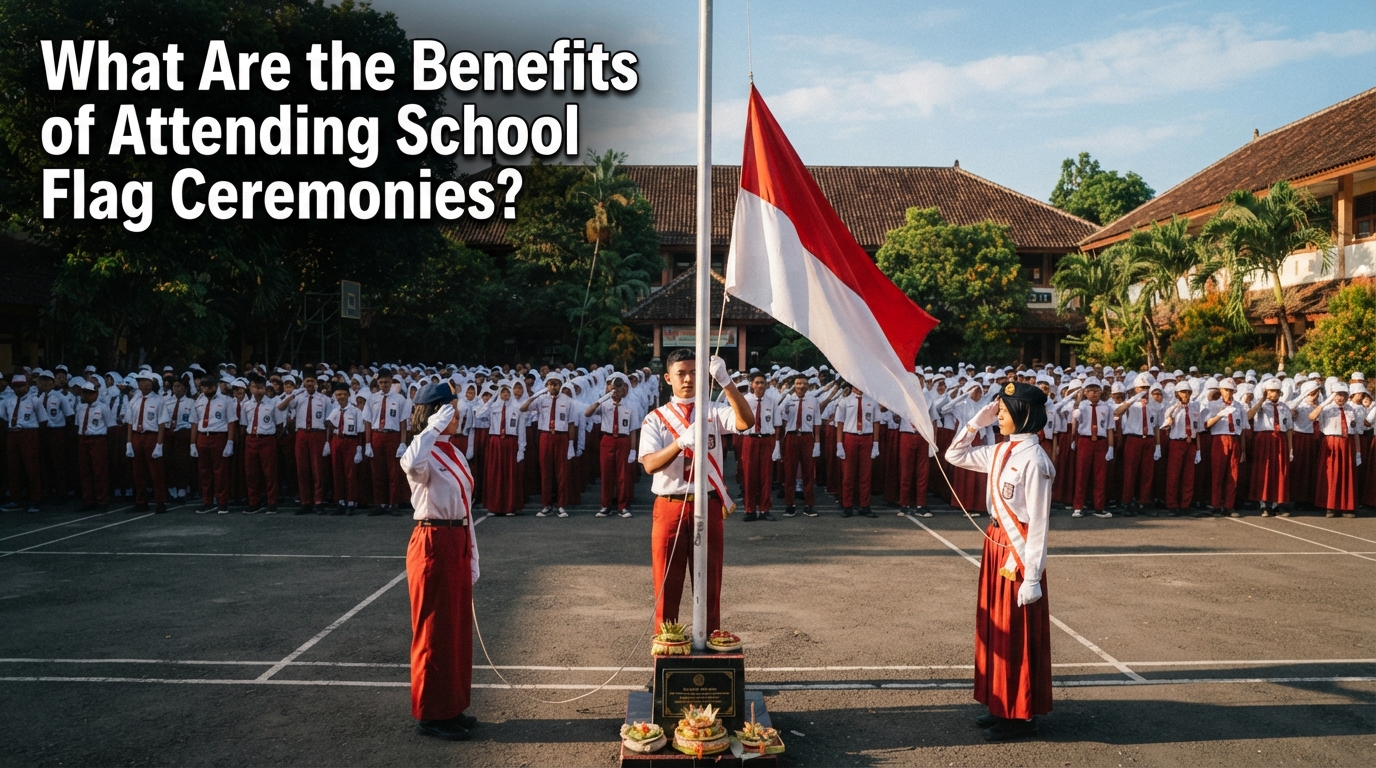
School flag ceremonies are important educational activities that provide students with valuable lessons beyond regular classroom learning. In Indonesia, these ceremonies are commonly held every Monday morning and during national commemorative events. Students gather to participate in activities such as raising the Red and White Flag, singing the national anthem, and listening to messages from teachers or ceremony supervisors.
Attending school flag ceremonies offers several benefits for students, particularly in developing discipline, nationalism, responsibility, confidence, and respect for others. These activities also help students understand national history and appreciate the meaning of independence. Through regular participation, students can develop positive habits that support their academic performance and personal growth. Therefore, school flag ceremonies are not merely formal traditions but also meaningful opportunities for character education.
DEVELOPING DISCIPLINE AND PUNCTUALITY
One of the main benefits of attending school flag ceremonies is developing discipline and punctuality. Students are expected to arrive at school before the ceremony begins and prepare themselves according to the established schedule. This habit teaches them to manage their time and understand the importance of following school regulations. Regular participation can encourage students to become more organized in their daily activities.
Discipline is also demonstrated through students' behavior during the ceremony. They must stand properly, follow instructions, maintain order, and pay attention to the activities. These simple actions train students to control their behavior and respect shared rules. Over time, the discipline developed during ceremonies can influence their attitudes toward studying and completing assignments.
STRENGTHENING NATIONALISM AND LOVE FOR THE COUNTRY
School flag ceremonies help students develop nationalism and love for Indonesia. During the activity, students participate in raising the Red and White Flag and singing Indonesia Raya, the national anthem. These moments remind them of the country's independence, national identity, and historical struggles. They also encourage students to appreciate the sacrifices made by previous generations.
Nationalism can be expressed through positive actions in everyday life. Students can demonstrate their love for Indonesia by respecting cultural differences, obeying regulations, studying seriously, and helping their communities. They can also contribute by protecting the environment and maintaining social harmony. Through these lessons, students learn that loving their country means taking responsibility for its future.
INCREASING RESPONSIBILITY AND SELF-CONTROL
Attending flag ceremonies teaches students to become more responsible and self-controlled. Every participant is expected to follow the ceremony procedures and respect the responsibilities assigned to others. Students who serve as ceremony officers must prepare carefully and perform their duties according to the established instructions. These experiences help them understand the importance of commitment and accountability.
Self-control is equally important because students need to maintain appropriate behavior throughout the activity. They should avoid unnecessary conversations, listen carefully, and remain orderly. These habits can help them become more focused during classroom lessons and other school activities. As a result, students can develop greater awareness of their actions and responsibilities.
IMPROVING RESPECT FOR OTHERS AND NATIONAL SYMBOLS
Another benefit of school flag ceremonies is teaching students to respect other people and national symbols. The Indonesian Red and White Flag represents national identity, independence, and sovereignty. By standing respectfully during the flag-raising process, students learn to appreciate the meaning of this important symbol. They also develop an understanding of why national symbols should be treated with dignity.
Respect is also demonstrated through interactions with teachers, ceremony officers, and fellow students. Participants are expected to listen when others speak and avoid behavior that disturbs the activity. These habits encourage tolerance, politeness, and mutual appreciation. They can also help students build better relationships in the classroom and wider community.
LEARNING ABOUT NATIONAL HISTORY AND HEROES
Flag ceremonies provide opportunities for students to learn about Indonesian history and national heroes. During the ceremony, teachers or supervisors may share information about independence, historical events, and important national figures. These messages help students understand how Indonesia developed into an independent nation. They also introduce the values of courage, determination, and sacrifice.
Understanding national history can encourage students to appreciate the freedom they experience today. It also reminds them that every generation has a responsibility to contribute to the country's progress. Students can honor national heroes by developing knowledge, maintaining unity, and performing positive activities. In this way, flag ceremonies connect historical lessons with students' responsibilities in the present.
BUILDING CONFIDENCE AND LEADERSHIP SKILLS
Participating in school flag ceremonies can also improve students' self-confidence and leadership skills. Students who are selected as ceremony officers have opportunities to perform in front of teachers and their classmates. They must communicate clearly, follow procedures, and carry out their responsibilities properly. These experiences can help them become more confident when speaking or performing in public.
Leadership skills are also developed through cooperation with other ceremony officers. Students learn how to coordinate tasks, manage responsibilities, and support one another. They become more familiar with the importance of teamwork and effective communication. These abilities are useful when participating in student organizations, group projects, and future professional activities.
ENCOURAGING UNITY AND TEAMWORK AMONG STUDENTS
School flag ceremonies bring students together in one organized activity, regardless of their different backgrounds and personal characteristics. This shared experience teaches the importance of unity, cooperation, and tolerance. Students learn that everyone has a role in maintaining an orderly and successful ceremony. They also understand that differences should be respected rather than becoming reasons for conflict.
Teamwork can be seen clearly when students prepare and perform their duties as ceremony officers. Each participant must cooperate with others to ensure that the activity runs smoothly. This experience encourages mutual support and a sense of belonging within the school community. The values learned can also strengthen friendships and improve cooperation in everyday school activities.
CREATING POSITIVE HABITS FOR DAILY LIFE
The benefits of attending school flag ceremonies can extend beyond the school environment. Students who regularly practice punctuality, discipline, and responsibility may develop habits that support their everyday routines. For example, they can become more organized when preparing school materials, completing assignments, and managing their time. These habits can contribute to better academic performance and personal development.
Furthermore, students can apply the values of respect and cooperation when interacting with family members, friends, and people in their communities. They may become more aware of their responsibilities and more willing to participate in positive social activities. These experiences show that character education is not limited to formal lessons. It can also grow through simple activities performed consistently.
CONCLUSION
Attending school flag ceremonies provides many benefits for students, including developing discipline, strengthening nationalism, increasing responsibility, improving confidence, and building teamwork. These activities also help students appreciate national symbols, understand historical struggles, and respect cultural differences. Through regular participation, students can learn positive values that support their academic and personal development.
Ultimately, school flag ceremonies are more than routine school activities. They provide meaningful opportunities for students to develop good character and understand their responsibilities as members of society. By participating actively and respectfully, students can become more disciplined, confident, responsible, and proud of their country.
Recent Posts

How Does Technology Make Daily Evaluation... 21.11.2026/58 View

Apa Strategi Menghadapi Kesenjangan antara Kompetensi... 21.11.2026/60 View

Mengapa Inventaris Aset Penting bagi Kelancaran... 21.11.2026/56 View

When Should Musicians Join a Record... 21.11.2026/55 View

Daily Evaluation or Daily Planning Which... 21.11.2026/63 View
