

What Are The Benefits Of Business Trips For Employee Career Development?
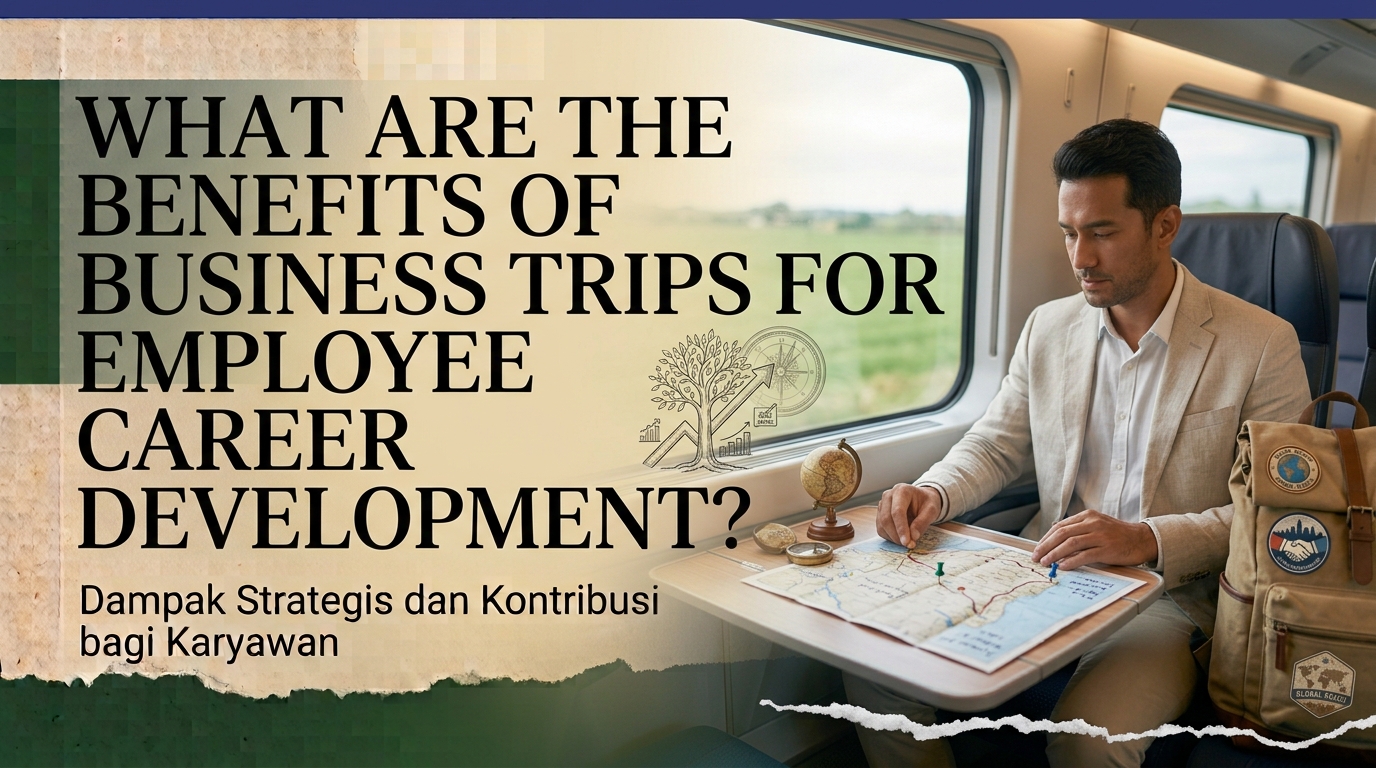
Business trips can provide valuable opportunities for employees to develop their professional skills and advance their careers. By visiting clients, meeting business partners, attending conferences, or working with teams in other locations, employees gain experiences that may not be available in their usual workplace. These activities allow them to learn new practices, build professional relationships, and understand different business environments. Business trips can also help employees become more confident when handling unfamiliar situations and responsibilities. When supported by clear objectives, business travel can contribute to employee growth and long-term career development.
IMPROVE PROFESSIONAL COMMUNICATION SKILLS
Business trips give employees opportunities to communicate directly with clients, managers, suppliers, and business partners. These interactions help them practice explaining ideas, asking questions, listening carefully, and responding to different professional needs. Employees may also learn how to adjust their communication style according to the situation and the people they meet. These skills are useful during meetings, negotiations, presentations, and daily workplace activities. Strong communication skills help employees build trust and work more effectively with others.
Face-to-face discussions can also teach employees how to handle difficult conversations professionally. They may need to explain a proposal, respond to concerns, or clarify an agreement without creating misunderstandings. By gaining experience in these situations, employees can become more confident and organized when expressing their opinions. They can apply these lessons when communicating with colleagues and customers after returning to the office. Practical communication experience can strengthen an employee's professional image and career readiness.
EXPAND PROFESSIONAL NETWORKS
Business trips allow employees to meet people from different companies, industries, and professional backgrounds. These connections may include potential clients, experienced managers, suppliers, industry experts, and future business partners. Meeting people in person can make it easier to establish trust and develop meaningful professional relationships. Employees may also discover new career paths, industry developments, or opportunities to collaborate on projects. A strong professional network can provide valuable knowledge, support, and career opportunities.
Maintaining these relationships after a trip is equally important. Employees can exchange contact details, follow up on discussions, and stay connected through appropriate professional channels. They should communicate respectfully and focus on building genuine relationships rather than collecting contacts without a clear purpose. Over time, these connections may help employees learn about new roles, business opportunities, or useful professional resources. Consistent networking can support long-term career growth and professional development.
DEVELOP PROBLEM-SOLVING AND DECISION-MAKING SKILLS
Employees may face unexpected situations while traveling for work, such as transportation delays, schedule changes, or differences in client expectations. These challenges require them to assess the situation, consider available options, and choose practical solutions. They may also need to coordinate with colleagues or seek guidance from supervisors. Handling these situations responsibly can improve their ability to think clearly under pressure. Business travel can strengthen problem-solving skills through real workplace experience.
Employees may also participate in meetings where important business decisions are discussed. They can observe how managers evaluate information, compare alternatives, and consider potential risks. By asking appropriate questions and contributing relevant information, employees may improve their own decision-making abilities. These experiences can prepare them for more complex assignments in the future. Learning to make informed decisions is an important step toward greater professional responsibility.
GAIN KNOWLEDGE OF DIFFERENT BUSINESS ENVIRONMENTS
Working outside the usual office allows employees to observe how other organizations and teams operate. They may learn about different work procedures, customer service methods, management styles, or industry practices. This exposure can help them understand why certain approaches work well in specific situations. Employees can compare these methods with their current workplace practices and identify useful ideas. Exposure to different business environments broadens professional knowledge and encourages continuous learning.
Business trips may also introduce employees to new technologies, products, and market trends. For example, attending an industry exhibition can help them understand recent developments relevant to their jobs. Visiting another company branch may reveal effective ways to organize tasks or manage resources. Employees should evaluate what they learn and share relevant insights with their teams. Applying new knowledge can improve work performance and prepare employees for changing industry demands.
BUILD CONFIDENCE AND INDEPENDENCE
Traveling for work often requires employees to manage schedules, communicate with unfamiliar people, and complete tasks in new environments. These responsibilities encourage them to become more independent and organized. Successfully handling assignments away from the usual workplace can also increase their confidence. Employees may become more comfortable presenting ideas, asking questions, and taking responsibility for their work. Greater confidence can help employees approach new professional challenges with a positive attitude.
However, independence does not mean working without support or ignoring company procedures. Employees should know when to make decisions themselves and when to consult their supervisors. They should also recognize their limits and ask for assistance when necessary. This balance helps them develop professional judgment while remaining accountable. Confidence combined with responsibility prepares employees to handle more demanding roles.
STRENGTHEN LEADERSHIP AND TEAMWORK
Business trips can help employees develop leadership skills by giving them opportunities to coordinate activities and work with different people. They may need to organize meeting materials, communicate objectives, manage deadlines, or help resolve disagreements. These tasks encourage them to take initiative and understand how their actions affect a team's results. Employees can also observe how experienced leaders guide discussions and make decisions. Leadership experience gained during business travel can prepare employees for future supervisory responsibilities.
Teamwork is another important skill that employees can strengthen during business trips. Working with colleagues from different departments or locations requires cooperation, flexibility, and respect for different perspectives. Employees must share information clearly and focus on common goals rather than individual preferences. These experiences can help them become more reliable team members and potential team leaders. Effective teamwork and leadership are valuable qualities for long-term career advancement.
IMPROVE ADAPTABILITY AND CULTURAL AWARENESS
Employees may encounter different working styles, communication habits, and professional expectations when traveling to another city or country. Learning to adapt helps them respond appropriately to unfamiliar situations. They may need to adjust their schedules, communication methods, or meeting approaches to suit local conditions. This flexibility can make them more effective when working with diverse teams and customers. Adaptability is an important professional skill in changing business environments.
International business trips can also increase cultural awareness. Employees may learn about local customs, communication preferences, and business etiquette that influence professional relationships. They should approach these differences with respect and avoid assuming that everyone follows the same practices. Understanding cultural differences can reduce misunderstandings and improve cooperation. Cultural awareness helps employees work more effectively across different communities and markets.
INCREASE VISIBILITY AND CAREER OPPORTUNITIES
Business trips may give employees opportunities to demonstrate their abilities to managers, clients, and senior colleagues. Successfully completing an assignment, delivering a clear presentation, or solving a business problem can show that an employee is reliable and capable. These experiences may help decision-makers better understand the employee's strengths. However, career advancement still depends on overall performance, qualifications, available positions, and company policies. Business travel can increase professional visibility when employees use the opportunity to deliver meaningful results.
Employees should focus on producing measurable outcomes rather than treating travel as a way to gain attention. They can document completed tasks, summarize important findings, and explain how their work supported company objectives. Sharing these results with their supervisors helps connect the travel experience to their professional achievements. They can also discuss future learning goals based on what they discovered during the trip. Demonstrating results helps employees turn business travel experience into evidence of professional growth.
APPLY NEW SKILLS TO DAILY WORK
The benefits of a business trip become more valuable when employees apply what they have learned after returning to the workplace. They can use improved communication skills during meetings, apply new methods to existing tasks, or share industry knowledge with colleagues. These actions help transform travel experiences into practical improvements. Employees should identify which lessons are relevant to their roles and decide how to use them. Applying new skills ensures that professional development continues beyond the trip itself.
Employees can also ask their supervisors for feedback on their performance during the journey. Feedback may reveal strengths to develop and areas that require further practice. Setting clear learning goals can help employees measure their progress over time. Companies can support this process through mentoring, training, and opportunities to handle more challenging assignments. Continuous learning helps employees build on business travel experiences and prepare for future career opportunities.
CONCLUSION
Business trips offer several benefits for employee career development, including better communication, wider professional networks, stronger problem-solving skills, increased confidence, and improved leadership abilities. They also expose employees to different business environments and help them develop adaptability and cultural awareness. However, these benefits depend on the purpose of the trip, the employee's involvement, and the ability to apply new knowledge afterward. Employees should reflect on their experiences and use them to improve their performance. When business travel is combined with continuous learning and clear career goals, it can become a valuable part of long-term professional growth.
Recent Posts

Bagaimana Sistem SKS pada Program Kuliah... 22.11.2026/56 View

How Does Technology Make Daily Evaluation... 21.11.2026/86 View

Apa Strategi Menghadapi Kesenjangan antara Kompetensi... 21.11.2026/84 View

Mengapa Inventaris Aset Penting bagi Kelancaran... 21.11.2026/82 View

When Should Musicians Join a Record... 21.11.2026/86 View
