

What Are The Benefits Of Character Education In Schools?
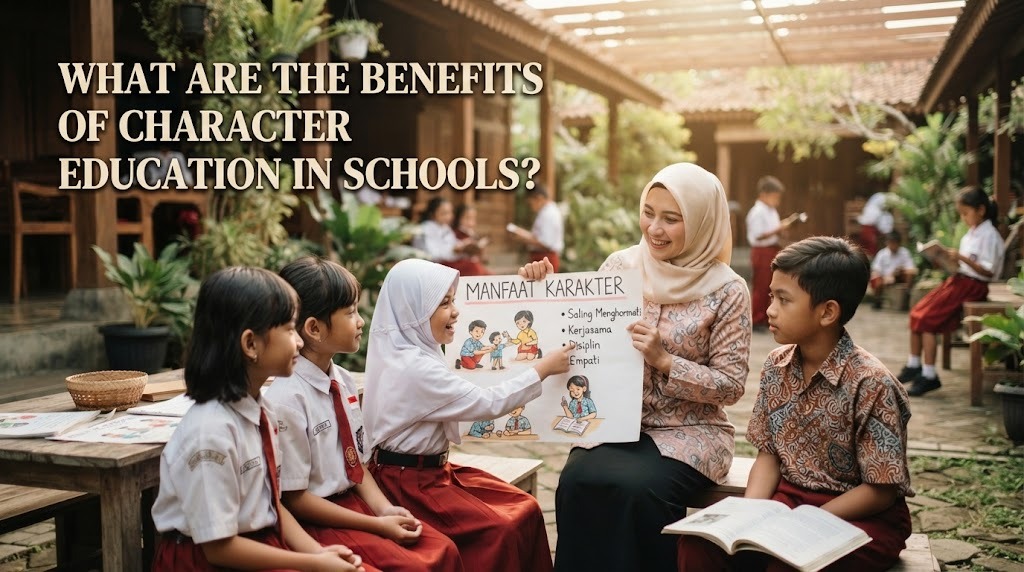
Character education is an important part of school life because education is not only about academic achievement. Students also need to develop good values, responsible behavior, and positive attitudes that can guide them in everyday situations. Schools provide an environment where students interact with teachers, classmates, and the wider community, making them an important place for character development. Through regular activities and positive examples, students can learn how to behave respectfully and make responsible decisions. Therefore, character education can support both personal growth and academic development.
IMPROVING STUDENT RESPONSIBILITY
One of the main benefits of character education is helping students develop a stronger sense of responsibility. Students learn to complete assignments, follow school rules, take care of their belongings, and accept the consequences of their actions. These simple responsibilities can help students understand that their choices have an effect on themselves and others. Teachers can encourage responsibility by giving students meaningful tasks and allowing them to solve problems independently. Over time, these experiences can help students become more reliable.
Responsibility is also useful beyond the classroom. Students who practice responsibility at school can apply the same habits at home, in their friendships, and later in the workplace. Taking responsibility for mistakes can also teach students to learn from problems instead of blaming other people. This helps them develop maturity and independence. As a result, character education can prepare students to handle greater responsibilities in the future.
DEVELOPING DISCIPLINE AND SELF-CONTROL
Character education can help students develop discipline and self-control. Students learn the importance of arriving on time, completing tasks, following rules, and managing their behavior. These habits can improve their ability to organize daily activities and focus on important goals. Self-control also helps students avoid impulsive actions that may negatively affect themselves or others. With regular practice, disciplined behavior can become a natural part of their daily routines.
Discipline should not only come from punishment or strict rules. Students need to understand why discipline matters and how it can benefit their education and future. Teachers can encourage this by setting clear expectations and giving positive feedback when students show improvement. When students understand the purpose of a rule, they are more likely to follow it willingly. This can help them become more independent in managing their responsibilities.
BUILDING HONESTY AND INTEGRITY
Another important benefit of character education is the development of honesty and integrity. Students may encounter situations where they have to choose between telling the truth and hiding their mistakes. Character education teaches them that being honest is important even when the truth may be uncomfortable. This value can help create trust between students, teachers, friends, and family members. It also encourages students to take responsibility for their own actions.
Integrity means trying to do the right thing even when nobody is watching. At school, this can include avoiding cheating, respecting other people's work, and keeping promises. Students who understand integrity can develop stronger ethical habits that may influence their future decisions. Teachers can support this process by becoming positive examples of honesty and fairness. These lessons can remain valuable long after students leave school.
STRENGTHENING SOCIAL AND EMOTIONAL SKILLS
Character education can help students develop important social and emotional skills. Students learn how to communicate respectfully, listen to others, cooperate, and manage different emotions. These skills are useful when students work in groups or face disagreements with classmates. Learning empathy can also help them understand that other people may have different feelings and experiences. As a result, students can build healthier relationships with people around them.
Emotional skills are especially important when students experience stress, disappointment, anger, or failure. Instead of reacting without thinking, they can learn to pause and consider an appropriate response. Teachers can support emotional development through classroom discussions, teamwork, and activities that encourage students to express their feelings appropriately. These experiences can help students become more emotionally mature. Strong social and emotional skills can also support their future personal and professional relationships.
ENCOURAGING RESPECT AND TOLERANCE
Schools bring together students with different personalities, opinions, cultures, and experiences. Character education teaches students to practice respect and tolerance when interacting with others. They learn that people can have different opinions without becoming enemies. Students can also learn to listen carefully before judging another person's perspective. This creates a more comfortable and inclusive learning environment.
Respect and tolerance can also help prevent bullying and unnecessary conflict. When students understand empathy, they may become more aware of how their words and actions affect classmates. Teachers can encourage respectful communication by showing students how to disagree without insulting or attacking others. These habits can help students build positive relationships and appreciate differences. In the long term, they can become adults who contribute to a more respectful society.
SUPPORTING BETTER DECISION MAKING
Character education can improve students' ability to make responsible decisions. Students learn to think about the possible consequences of their actions before making a choice. This skill is useful when they face academic problems, friendship conflicts, or challenges related to social media. Instead of simply following others, students can learn to evaluate situations and consider what is appropriate. This encourages them to become more thoughtful and independent.
Good decision making is connected to critical thinking and self-awareness. Students who understand their values are more likely to consider whether their choices match those values. Teachers can provide realistic situations and ask students to discuss different solutions. Through this process, students learn that a good decision should consider both personal needs and the effects on others. These skills can help them handle more complex situations as they grow older.
IMPROVING THE SCHOOL ENVIRONMENT
Character education can contribute to a positive school environment. When students practice responsibility, respect, honesty, and cooperation, classrooms can become safer and more comfortable places to learn. Students may feel more confident when they know that their classmates are encouraged to treat others fairly. Teachers can also spend more time supporting learning when unnecessary conflicts are reduced. A positive environment can therefore support both social development and academic activities.
Schools can strengthen character education through group projects, community activities, leadership opportunities, and classroom responsibilities. These activities give students practical opportunities to apply the values they learn. For example, working on a group project can teach cooperation, communication, and responsibility at the same time. Students can also learn that their individual actions can affect the entire school community. This helps character education become part of everyday school life rather than only a classroom topic.
PREPARING STUDENTS FOR THE FUTURE
Character education provides students with values that can remain useful throughout their lives. Academic knowledge may help students complete their education, but character helps them use their knowledge responsibly. Future workplaces and communities need people who can communicate well, cooperate with others, solve problems, and act honestly. Developing these qualities at school can give students a stronger foundation for future challenges. Character education therefore supports both current learning and long-term personal development.
Students will eventually face situations that require adaptability, responsibility, confidence, and ethical judgment. Character education can help them develop these qualities before they enter higher education or the workplace. Students who understand the importance of good character may be better prepared to handle failure, change, and new responsibilities. They can also contribute positively to the people and communities around them. For this reason, character education is an important investment in students' future development.
CONCLUSION
Character education in schools provides many benefits for students, including stronger responsibility, discipline, honesty, emotional skills, respect, and decision-making abilities. It can also create a more positive school environment where students feel supported and encouraged to cooperate. More importantly, these values help students prepare for challenges beyond school. Character development requires consistent practice, guidance, and positive examples from teachers, parents, and the wider community. By combining academic learning with strong character, schools can help students become responsible, respectful, confident, and prepared for the future.
Recent Posts

Bagaimana Sistem SKS pada Program Kuliah... 22.11.2026/35 View

How Does Technology Make Daily Evaluation... 21.11.2026/69 View

Apa Strategi Menghadapi Kesenjangan antara Kompetensi... 21.11.2026/69 View

Mengapa Inventaris Aset Penting bagi Kelancaran... 21.11.2026/67 View

When Should Musicians Join a Record... 21.11.2026/68 View
