

What Are the Benefits of Cultural Heritage Preservation for Local Communities?
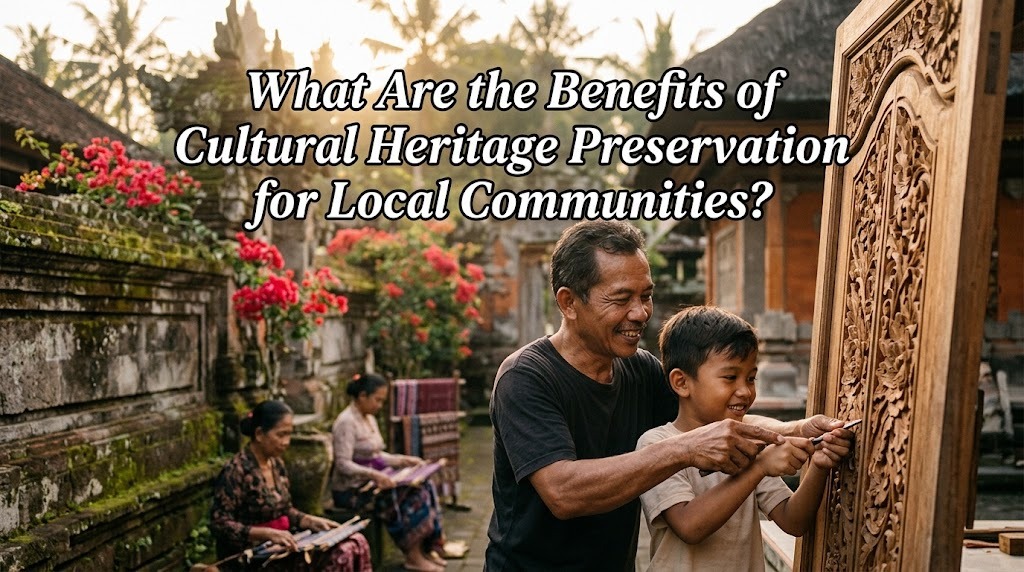
Cultural heritage preservation plays an important role in maintaining the identity, history, and traditions of local communities. It includes protecting historical buildings, traditional houses, regional languages, traditional dances, local cuisine, handicrafts, and customary practices passed down through generations. These cultural elements help communities understand their origins and recognize the values that make them unique.
Preserving cultural heritage also provides practical benefits for local people. It can create economic opportunities, strengthen relationships, support education, and attract visitors interested in local culture. In Indonesia, where every region has distinctive traditions and historical sites, cultural preservation can help communities maintain their identity while improving their quality of life.
PRESERVING CULTURAL IDENTITY AND COMMUNITY PRIDE
One of the main benefits of cultural heritage preservation is that it helps communities maintain their cultural identity. Traditional ceremonies, regional languages, local clothing, and customary practices reflect the history and experiences of a community. When these traditions continue to be practiced, people can better understand their cultural roots. This knowledge can also strengthen pride in their local identity.
For example, the Minangkabau community in West Sumatra maintains traditions reflected in its distinctive architecture, customary practices, and family relationships. Preserving these traditions helps younger generations understand the cultural values that have shaped their community. It also allows residents to share their heritage with people from other regions. As a result, cultural preservation supports both local pride and respect for Indonesia's diversity.
CREATING ECONOMIC OPPORTUNITIES FOR LOCAL RESIDENTS
Cultural heritage preservation can support local economic development by creating opportunities in traditional crafts, cultural performances, food production, and heritage-related businesses. Artisans who produce batik, woven textiles, pottery, or wood carvings can earn income by selling their work. Traditional performers and cultural practitioners may also receive payment for participating in festivals and educational activities. These opportunities can help keep traditional skills alive while supporting local livelihoods.
Cultural tourism can provide additional income for communities near historical sites and traditional villages. Visitors may spend money on local accommodation, transportation, food, souvenirs, and guided tours. However, economic benefits depend on responsible planning and fair distribution of income. When local residents participate in decision-making and receive a reasonable share of the benefits, cultural preservation can contribute to more sustainable community development.
ATTRACTING CULTURAL TOURISM
Historical buildings, traditional villages, museums, and cultural festivals can attract visitors who want to learn about a region's history and traditions. Examples in Indonesia include Borobudur Temple in Central Java, Prambanan Temple near Yogyakarta, and traditional cultural attractions in Bali. These destinations introduce visitors to local architecture, religious history, artistic achievements, and community practices. They can also encourage people to appreciate cultural differences.
Tourism can benefit nearby communities when visitors use local services and support small businesses. Residents may work as guides, performers, food vendors, craft producers, or accommodation providers. Nevertheless, tourism needs to be managed carefully to avoid overcrowding, environmental damage, and disruption to local customs. Responsible tourism should respect community values and protect the heritage that makes a destination meaningful.
STRENGTHENING SOCIAL RELATIONSHIPS AND COMMUNITY COOPERATION
Cultural preservation often brings people together through shared activities and responsibilities. Preparing traditional ceremonies, organizing festivals, maintaining historical buildings, and teaching local arts can encourage cooperation among residents. These activities create opportunities for people of different ages to communicate and work toward common goals. They can also strengthen trust and a sense of responsibility within the community.
In Indonesia, the tradition of gotong royong demonstrates the importance of collective action in many communities. Residents may cooperate to prepare cultural celebrations, maintain shared spaces, or support families during important events. When these activities are connected to cultural preservation, they help maintain traditions while strengthening social relationships. A community that works together to protect its heritage can also develop stronger networks for addressing other local challenges.
EDUCATING YOUNGER GENERATIONS
Cultural heritage provides valuable learning opportunities for children and young adults. Through traditional stories, historical sites, regional languages, and artistic practices, young people can learn about the experiences and beliefs of earlier generations. This knowledge helps them understand how their community has developed over time. It can also encourage curiosity, creativity, and respect for cultural diversity.
For example, students who learn traditional dance can develop an appreciation for local music, costumes, and performance techniques. Visiting museums and historical sites can help them connect classroom lessons with real places and objects. Learning traditional crafts also allows young people to develop practical skills from experienced artisans. These educational activities help ensure that cultural knowledge continues to be passed on rather than disappearing as older generations become fewer.
PROTECTING TRADITIONAL KNOWLEDGE AND SKILLS
Cultural heritage preservation helps protect knowledge that may not be fully recorded in books or formal documents. Many traditional skills are taught through observation, practice, and direct communication between experienced practitioners and learners. These skills include weaving, carving, preparing traditional foods, producing musical instruments, and performing customary ceremonies. If fewer people learn these practices, valuable cultural knowledge may gradually disappear.
Supporting local artisans and cultural practitioners can encourage the continuation of these skills. Workshops, apprenticeships, community exhibitions, and cultural education programs allow experienced people to share their knowledge with younger generations. Documentation through photographs, recordings, and written descriptions can provide additional support. However, preservation should also respect cultural ownership and recognize that some knowledge may be restricted or intended only for particular community members.
SUPPORTING LOCAL BUSINESSES AND TRADITIONAL CRAFTS
Traditional crafts are an important part of many local economies and cultural identities. Products such as batik, woven textiles, pottery, baskets, and handmade ornaments often reflect regional techniques and artistic styles. Preserving these crafts helps maintain specialized skills and creates opportunities for artisans to continue their work. It can also help distinguish local products in competitive markets.
Local businesses can support cultural preservation by purchasing authentic products directly from artisans and explaining their cultural significance to customers. Community cooperatives and cultural markets can help craftspeople reach wider audiences and improve their access to buyers. Online platforms may also introduce traditional products to customers outside their regions. To ensure long-term benefits, businesses should use fair pricing, provide appropriate recognition, and avoid misleading claims about the origins of cultural products.
IMPROVING COMMUNITY WELL-BEING AND SENSE OF BELONGING
Cultural heritage can contribute to community well-being by giving people shared experiences, familiar traditions, and places connected to their memories. Historical neighborhoods, community gathering spaces, traditional festivals, and local ceremonies can help residents feel connected to one another. These connections may be particularly meaningful when communities experience rapid social or economic changes. Cultural activities can also provide opportunities for participation and creative expression.
A strong sense of belonging can encourage residents to care for their surroundings and take part in community initiatives. For example, local groups may organize activities to maintain historic public spaces or introduce children to traditional arts. These efforts can strengthen relationships and create a shared sense of responsibility. However, cultural preservation should be inclusive and allow community members with different backgrounds and experiences to participate respectfully.
PROTECTING HISTORICAL SITES AND THE ENVIRONMENT
Preserving cultural heritage helps protect historical sites and traditional structures that provide evidence of earlier ways of life. Temples, traditional houses, historic neighborhoods, and archaeological remains can reveal information about architecture, technology, religion, and social organization. Their protection allows researchers, residents, and visitors to learn from the past. It also prevents valuable historical evidence from being lost through neglect or inappropriate development.
Some traditional practices and architectural methods also reflect knowledge of local environments. Traditional houses, for example, may use locally available materials and designs suited to regional weather conditions. Preserving this knowledge can provide useful lessons for understanding local resources and adapting to environmental challenges. Nevertheless, conservation must consider current safety requirements and environmental conditions rather than assuming every traditional method is suitable for every situation.
ENCOURAGING CULTURAL DIVERSITY AND MUTUAL RESPECT
Indonesia consists of many ethnic groups, languages, and cultural traditions. Preserving local heritage helps ensure that this diversity remains visible and valued. When people learn about traditions from other communities, they can develop a better understanding of different beliefs, histories, and ways of life. This understanding can reduce stereotypes and encourage respectful relationships.
Cultural festivals, museum exhibitions, school programs, and traditional performances can introduce people to regional heritage. For example, learning about Balinese ceremonies, Toraja customs, or Minangkabau traditions can help audiences appreciate the different ways communities express their values. Cultural preservation does not require every community to follow the same practices. Instead, it allows different traditions to continue contributing to Indonesia's broader cultural identity.
HOW CAN LOCAL COMMUNITIES BENEFIT MORE FROM CULTURAL PRESERVATION?
Local communities can gain greater benefits from cultural preservation when residents actively participate in planning and decision-making. Community members should help determine which traditions and historical sites need protection and how their heritage should be presented. Local governments and cultural organizations can support these efforts through funding, training, conservation programs, and educational activities. This cooperation helps ensure that preservation responds to the needs of the people who maintain the heritage.
Communities can also connect preservation with sustainable local businesses and responsible tourism. Traditional artisans may receive support to improve their products, while cultural practitioners can teach their skills through workshops and performances. Schools can collaborate with local elders to document regional stories and languages. By balancing economic opportunities with cultural respect, communities can preserve their heritage without losing control over its meaning and use.
CONCLUSION
Cultural heritage preservation provides many benefits for local communities, including stronger cultural identity, economic opportunities, tourism development, education, social cooperation, and the protection of traditional knowledge. It also helps maintain historical sites, supports local businesses, and encourages respect for cultural diversity. These benefits show that cultural preservation is not only about protecting the past but also about supporting communities in the present.
To achieve lasting results, cultural preservation requires cooperation among residents, governments, schools, cultural organizations, and businesses. Local people should remain actively involved so that their traditions are respected and the benefits are shared fairly. By protecting cultural heritage through education, community participation, and responsible development, Indonesian communities can maintain their unique identities while creating opportunities for future generations.
Recent Posts

Bagaimana Sistem SKS pada Program Kuliah... 22.11.2026/48 View

How Does Technology Make Daily Evaluation... 21.11.2026/76 View

Apa Strategi Menghadapi Kesenjangan antara Kompetensi... 21.11.2026/78 View

Mengapa Inventaris Aset Penting bagi Kelancaran... 21.11.2026/73 View

When Should Musicians Join a Record... 21.11.2026/78 View
