

What Are the Benefits of Free Health Checkups for Overall Health?
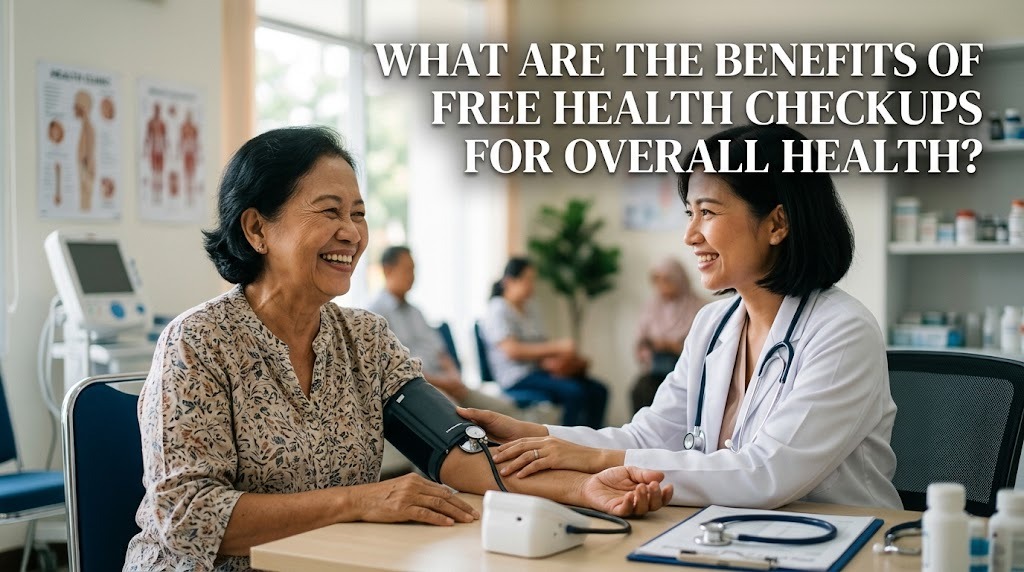
Free health checkups provide an opportunity for people to understand their health conditions without worrying too much about medical expenses. Regular health examinations are important because many health problems do not show noticeable symptoms during their early stages. Through free health checkup programs, people can receive basic medical examinations, identify potential health risks, and learn how to maintain a healthier lifestyle.
In addition, free health checkups can encourage individuals to become more aware of their physical condition. These programs also help communities gain better access to healthcare services, especially people who may have difficulty paying for routine medical examinations. Understanding the benefits of free health checkups can help everyone recognize the importance of early detection and preventive healthcare.
EARLY DETECTION OF HEALTH PROBLEMS
One of the main benefits of free health checkups is the opportunity to detect potential health problems at an early stage. Some conditions, such as high blood pressure, diabetes, and high cholesterol, may develop without obvious symptoms. Through basic health examinations, medical professionals can identify unusual results and recommend further evaluation when necessary. Early detection is important because it allows individuals to receive appropriate medical attention before certain conditions become more serious.
Furthermore, identifying health risks early can help people make better decisions about their health. For example, someone with high blood pressure may be advised to improve their diet, exercise regularly, and monitor their blood pressure. These preventive steps can reduce the risk of complications in the future. Although free health checkups cannot detect every disease, they provide valuable information about a person's general health condition.
IMPROVING HEALTH AWARENESS
Free health checkups help individuals understand the importance of taking care of their bodies. Many people only visit healthcare facilities when they experience pain or feel unwell. However, preventive examinations teach people that maintaining good health should not depend entirely on the appearance of symptoms. By checking important health indicators, individuals can become more familiar with their physical condition and recognize possible warning signs.
Health awareness also encourages people to develop healthier daily habits. After receiving examination results, individuals may become more motivated to eat nutritious foods, drink enough water, get sufficient sleep, and stay physically active. Healthcare professionals can also provide information about managing health risks and preventing common diseases. As a result, free health checkups can support long-term changes that improve overall well-being.
REDUCING HEALTHCARE EXPENSES
Another important benefit of free health checkups is reducing the financial burden associated with preventive healthcare. Medical examinations can be expensive for people who have limited financial resources. Free healthcare programs give individuals an opportunity to access certain medical services without paying examination fees. This makes basic health screening more accessible to different groups of society.
Early detection may also help prevent some conditions from developing into more complicated health problems that require extensive treatment. When potential health risks are identified earlier, individuals can seek appropriate care and receive medical advice as soon as possible. However, free examinations do not necessarily eliminate all future healthcare expenses because additional tests, medications, and treatments may still involve costs. Even so, these programs can help people take the first step toward protecting their health without facing immediate examination expenses.
SUPPORTING A HEALTHIER LIFESTYLE
Free health checkups can encourage individuals to adopt healthier lifestyles based on their examination results. For example, people who discover that they have elevated blood sugar levels may be encouraged to reduce excessive sugar consumption and improve their eating habits. Those with weight-related health risks may receive advice about maintaining a balanced diet and increasing physical activity. These recommendations can help individuals understand which lifestyle changes are appropriate for their health conditions.
In addition, healthcare professionals can provide guidance about important habits such as avoiding smoking, limiting alcohol consumption, managing stress, and maintaining a healthy sleeping schedule. Making these changes consistently can support physical and mental well-being. A healthier lifestyle does not always require expensive products or complicated routines. Simple actions performed regularly can contribute to better health and help reduce the risk of various diseases.
INCREASING ACCESS TO HEALTHCARE SERVICES
Free health checkup programs help improve public access to basic healthcare services. People living in areas with limited medical facilities or those experiencing financial difficulties may have fewer opportunities to receive routine examinations. By providing free screening services through healthcare centers, community facilities, or mobile medical teams, these programs can reach more people who need basic health assessments.
Improved healthcare access is especially important for vulnerable groups, including children, older adults, and people with limited financial resources. When medical examinations become easier to access, more individuals have the opportunity to understand their health conditions and receive professional recommendations. However, the availability of examinations may depend on the location, program schedule, and eligibility requirements. Expanding these services can help create a healthcare system that is more accessible and inclusive for everyone.
PREVENTING THE RISK OF CHRONIC DISEASES
Chronic diseases such as diabetes, heart disease, and hypertension can affect a person's quality of life for many years. Some of these conditions develop gradually and may not cause noticeable symptoms in the beginning. Free health checkups can help identify certain risk factors, allowing individuals to take preventive action before serious complications occur. Examinations such as blood pressure measurements, blood sugar tests, and cholesterol checks can provide useful information about cardiovascular and metabolic health.
Furthermore, understanding these risk factors allows people to work with healthcare professionals to develop suitable prevention strategies. These strategies may include improving nutrition, maintaining a healthy body weight, exercising regularly, and following medical recommendations. It is important to remember that screening results do not always provide a final diagnosis. Individuals with abnormal results may need additional examinations to confirm their conditions and determine the most appropriate treatment.
IMPROVING FAMILY AND COMMUNITY HEALTH
The benefits of free health checkups are not limited to individuals because these programs can also support healthier families and communities. When one family member becomes more aware of healthy habits, that knowledge can influence other household members. Parents, for example, can encourage their children to eat nutritious meals, maintain personal hygiene, and participate in physical activities. These habits can create a healthier environment at home.
At the community level, wider access to health examinations can increase public awareness of common health risks. Community members can learn about disease prevention, recognize the importance of medical consultations, and become more willing to participate in healthcare programs. Healthier communities can also benefit from improved productivity and a better quality of life. Therefore, free health checkups are valuable not only as individual medical services but also as part of broader public health efforts.
ENCOURAGING REGULAR HEALTH MONITORING
Regular health monitoring helps individuals understand changes in their physical condition over time. A single health examination provides information about a person's condition at a particular moment, but repeated examinations can help identify patterns and changes in important health indicators. For example, monitoring blood pressure and blood sugar levels can help individuals and healthcare professionals evaluate whether certain health risks are improving or becoming more serious.
Free health checkup programs can encourage people to make health monitoring part of their routine. Individuals can discuss their previous examination results with healthcare professionals and receive recommendations based on their medical history. The frequency of examinations should depend on age, personal risk factors, existing conditions, and professional medical advice. By monitoring their health consistently, people can become more proactive in maintaining their physical well-being.
CONCLUSION
Free health checkups offer many benefits for maintaining overall health, from detecting potential medical problems early to improving health awareness and supporting healthier lifestyles. These programs also help reduce financial barriers, increase access to healthcare services, and encourage individuals to monitor their physical conditions regularly. Through basic medical examinations and professional guidance, people can better understand their health risks and take appropriate preventive steps.
However, free health checkups should not be considered a replacement for complete medical examinations or necessary treatment. Individuals who receive abnormal results should follow up with healthcare professionals to obtain further evaluation. By combining regular health monitoring, healthy daily habits, and appropriate medical care, everyone can take meaningful steps toward maintaining better health and improving their quality of life.
Recent Posts

Bagaimana Sistem SKS pada Program Kuliah... 22.11.2026/49 View

How Does Technology Make Daily Evaluation... 21.11.2026/76 View

Apa Strategi Menghadapi Kesenjangan antara Kompetensi... 21.11.2026/78 View

Mengapa Inventaris Aset Penting bagi Kelancaran... 21.11.2026/74 View

When Should Musicians Join a Record... 21.11.2026/78 View
