

What Are the Benefits of Laboratory Testing for Public Health?
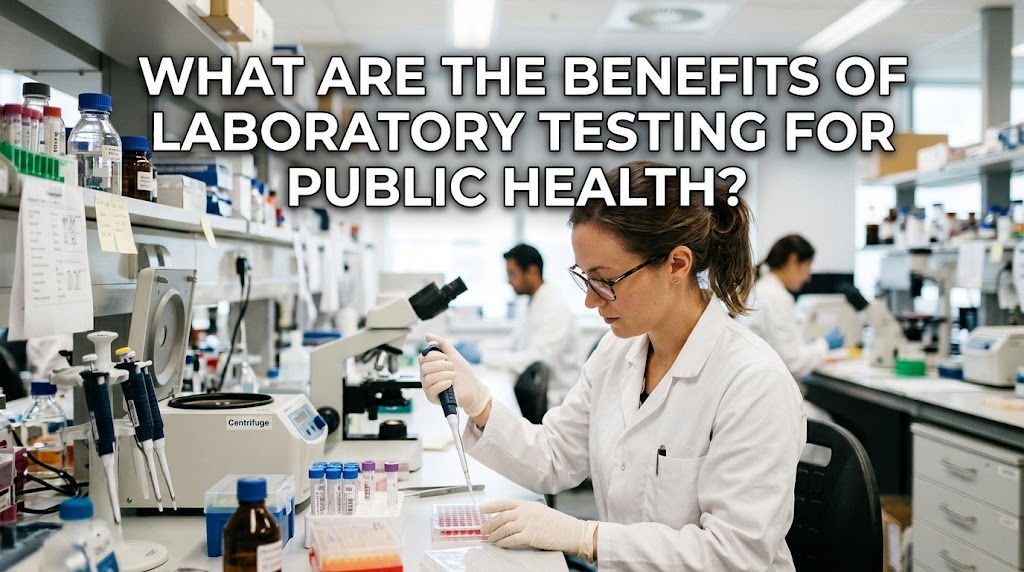
Laboratory testing plays an important role in protecting public health and maintaining the well-being of communities. Through scientific examinations, laboratories help identify diseases, monitor the spread of infections, detect environmental contamination, and evaluate the effectiveness of health programs. These activities provide valuable information that healthcare professionals and public health authorities need to make accurate decisions.
The benefits of laboratory testing extend beyond individual medical care. Laboratory examinations also help identify health risks affecting large populations and support efforts to prevent diseases before they become serious public health problems. By providing reliable scientific information, laboratory services contribute to disease prevention, health protection, and better quality of life.
HELPING DETECT DISEASES EARLY
One of the main benefits of laboratory testing for public health is its ability to detect diseases at an early stage. Some illnesses do not immediately cause noticeable symptoms, making them difficult to identify through physical examinations alone. Laboratory tests can detect infections, abnormal blood components, and other signs of health problems before serious complications develop. Early detection allows healthcare professionals to recommend appropriate treatment and preventive measures. This can improve treatment outcomes and reduce the risk of further health problems.
Laboratory testing also helps identify infectious diseases that may spread within communities. For example, examinations for tuberculosis, influenza, and other infections can help healthcare workers confirm suspected cases. When diseases are identified early, patients can receive appropriate medical attention and follow recommended precautions. This is especially important for protecting vulnerable populations, including older adults and people with weakened immune systems. Therefore, laboratory testing supports early intervention and helps communities maintain better health.
PREVENTING THE SPREAD OF INFECTIOUS DISEASES
Laboratory testing is essential for preventing and controlling infectious diseases. It helps identify harmful microorganisms, including bacteria, viruses, fungi, and parasites that can cause illness. By examining samples such as blood, saliva, urine, or respiratory fluids, laboratories can determine whether a person has a particular infection. These results help healthcare professionals choose appropriate treatment and recommend necessary infection control measures. Accurate testing also reduces uncertainty when different diseases produce similar symptoms.
During an outbreak, laboratory testing provides important information about confirmed infections and their distribution. Public health authorities can use these findings to identify affected communities and determine where additional prevention measures are needed. Testing also supports contact tracing, outbreak investigations, and decisions about isolation when appropriate. These activities help reduce transmission and protect people who may have been exposed. Consequently, laboratory services are an important part of infectious disease prevention and control.
SUPPORTING DISEASE SURVEILLANCE AND MONITORING
Disease surveillance involves continuously collecting and analyzing information about diseases within a population. Laboratory testing supports this process by providing scientific evidence about the presence and characteristics of infectious agents. Samples collected from different locations can help researchers identify patterns of infection and changes in disease activity. This information allows public health authorities to monitor whether certain illnesses are becoming more common or spreading to new areas. Regular monitoring also helps identify potential health threats before they become widespread.
Modern laboratory techniques can provide additional information about how microorganisms change over time. For example, genetic testing and pathogen sequencing allow researchers to examine variations in viruses and bacteria. These methods can help identify emerging variants and monitor genetic changes that may influence disease transmission or treatment. Public health organizations can use the results to improve prevention strategies and prepare appropriate responses. Through continuous laboratory surveillance, authorities can make more informed decisions about protecting population health.
IMPROVING FOOD AND DRINKING WATER SAFETY
Safe food and clean drinking water are essential for maintaining public health. Laboratory testing helps identify harmful microorganisms, chemical contaminants, and other substances that may cause illness. Food samples can be examined for bacteria such as Salmonella and certain strains of Escherichia coli, which can cause foodborne infections. These examinations help identify contaminated products and support efforts to prevent further exposure. Regular testing also encourages food producers and distributors to maintain proper hygiene and safety standards.
Water quality testing is equally important because contaminated water can spread infectious diseases and expose communities to dangerous chemicals. Laboratories examine water samples for bacteria, parasites, heavy metals, and other harmful substances. The results help authorities determine whether drinking water meets established safety requirements. If contamination is discovered, appropriate investigations and corrective actions can be taken. These examinations help protect communities from preventable illnesses and support a healthier living environment.
SUPPORTING ACCURATE PUBLIC HEALTH DECISIONS
Accurate information is necessary for developing effective public health policies and programs. Laboratory testing provides measurable evidence that healthcare professionals, researchers, and government authorities can use to understand health conditions within a population. For example, testing results can reveal the presence of particular infections and help determine how widely they are spreading. This information allows authorities to recognize the seriousness of a health problem. It also helps them identify which communities may require additional medical support.
Laboratory data can guide the distribution of healthcare resources, including medicines, diagnostic equipment, medical personnel, and vaccination supplies. During disease outbreaks, reliable testing information helps authorities determine where healthcare services should be strengthened. Laboratory results can also be used to evaluate whether existing prevention programs are achieving their objectives. However, these findings should be considered alongside clinical information and epidemiological evidence. Combining different sources of information helps produce more complete and reliable public health decisions.
EVALUATING VACCINATION PROGRAMS
Vaccination programs are important for preventing infectious diseases and reducing the risk of serious complications. Laboratory testing helps researchers evaluate how the immune system responds to vaccines. Certain blood examinations can measure antibody levels and provide information about immune responses following vaccination. These findings help scientists understand how the body develops protection against specific infections. They can also support research into how long vaccine-related immunity may last.
Laboratory examinations can contribute to studies of vaccine effectiveness by identifying infections among vaccinated populations. When combined with epidemiological data, these results help researchers evaluate how well vaccines reduce infection and severe illness. Public health authorities can use the evidence to improve vaccination strategies and identify populations that may need additional protection. Laboratory testing also supports monitoring diseases targeted by immunization programs. As a result, it contributes to better vaccination policies and stronger community protection.
IDENTIFYING NEW AND EMERGING HEALTH THREATS
New health threats can emerge when previously uncommon pathogens appear, existing microorganisms change, or environmental conditions create additional risks. Laboratory testing helps identify these threats through scientific examinations and specialized diagnostic methods. Molecular testing, for example, can detect genetic material from certain pathogens and support the identification of infections. Advanced laboratory techniques can also help researchers investigate unusual disease patterns. Early identification gives public health authorities more time to prepare appropriate responses.
Genomic surveillance is another important application of laboratory testing. This method allows scientists to examine the genetic characteristics of viruses and bacteria to identify changes that may influence their behavior. The information can help detect emerging variants and monitor antimicrobial resistance. It also supports research into how pathogens develop and spread. By identifying potential threats early, laboratories help communities improve their preparedness and reduce the impact of emerging diseases.
MONITORING ANTIMICROBIAL RESISTANCE
Antimicrobial resistance occurs when microorganisms develop the ability to survive medicines that previously could eliminate or control them. This problem makes infections more difficult to treat and creates serious challenges for healthcare systems. Laboratory testing helps identify resistant microorganisms through antimicrobial susceptibility testing. This examination determines which antimicrobial medicines are likely to be effective against certain bacterial infections. The results help healthcare professionals select more appropriate treatments.
Laboratories also contribute to public health surveillance by collecting information about antimicrobial resistance patterns. These findings help authorities understand which microorganisms are becoming resistant and which medicines may be losing effectiveness. Hospitals can use this information to strengthen infection prevention measures and improve antimicrobial stewardship programs. These programs encourage the responsible use of antibiotics and other antimicrobial medicines. Therefore, laboratory testing supports efforts to control resistance and protect the effectiveness of available treatments.
SUPPORTING HEALTH RESEARCH AND PUBLIC EDUCATION
Laboratory testing provides valuable information for scientific research and public health education. Researchers use laboratory examinations to investigate disease causes, understand biological processes, and evaluate potential prevention methods. For example, laboratory studies can help explain how infections spread and how the human immune system responds to pathogens. These findings contribute to the development of better diagnostic methods, treatments, and prevention strategies. Research supported by laboratory evidence can also reveal health problems that require greater public attention.
Laboratory findings can also help health organizations develop educational programs for communities. Scientific information about diseases, hygiene, vaccination, and environmental safety can be communicated through public health campaigns. These programs encourage people to understand health risks and adopt healthier behaviors. However, laboratory findings must be interpreted carefully so that the information shared with the public remains accurate. By connecting scientific research with public education, laboratory testing helps communities make better health decisions.
IMPROVING RESPONSES TO PUBLIC HEALTH EMERGENCIES
Public health emergencies, including disease outbreaks, food contamination, and environmental health incidents, require fast and coordinated responses. Laboratory testing provides essential information to identify the causes and extent of these problems. During an outbreak, diagnostic examinations can confirm suspected infections and help determine which pathogens are responsible. Specialized tests can also support investigations into unusual increases in disease cases. This information allows public health authorities to select appropriate emergency measures.
Laboratories also help monitor the effectiveness of actions taken during emergencies. Repeated examinations can provide information about whether infections are declining or continuing to spread. Authorities can use these findings to evaluate and adjust prevention strategies when necessary. Reliable laboratory networks and sufficient testing capacity are particularly important during large-scale health emergencies. Delays in obtaining accurate results can make disease control more difficult. Therefore, strong laboratory services are essential for improving community preparedness and protecting public health.
CONCLUSION
Laboratory testing provides significant benefits for public health by supporting early disease detection, preventing infectious diseases, monitoring environmental safety, and improving healthcare decisions. It also contributes to vaccination programs, antimicrobial resistance monitoring, scientific research, and emergency responses. Reliable laboratory results allow healthcare professionals and public health authorities to identify health risks and develop appropriate prevention strategies.
As medical technology continues to advance, laboratory testing will become increasingly important in protecting communities from existing and emerging health threats. However, accurate results depend on proper sample collection, qualified laboratory personnel, reliable equipment, and effective quality control. By strengthening laboratory services and improving access to testing, communities can prevent diseases more effectively and build a healthier future.
Recent Posts

Bagaimana Sistem SKS pada Program Kuliah... 22.11.2026/47 View

How Does Technology Make Daily Evaluation... 21.11.2026/74 View

Apa Strategi Menghadapi Kesenjangan antara Kompetensi... 21.11.2026/75 View

Mengapa Inventaris Aset Penting bagi Kelancaran... 21.11.2026/72 View

When Should Musicians Join a Record... 21.11.2026/75 View
