

What Are the Benefits of Online Courses for Students?
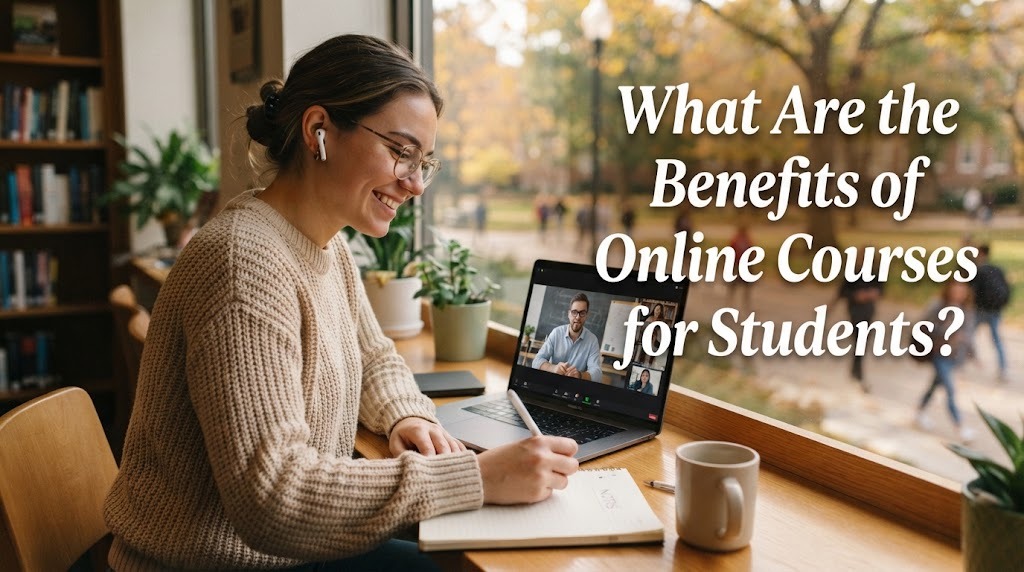
Online courses have become an increasingly useful learning option for students. They allow students to study beyond the limits of traditional classroom schedules and locations. Through online learning platforms, students can access lessons, videos, assignments, discussions, and other educational materials using internet-connected devices. This learning method can support both academic development and the acquisition of additional skills.
Online courses are also useful for students who want to explore subjects that may not be fully covered in their regular classes. They can choose courses based on their interests, educational needs, or future career plans. When used effectively, online courses can make learning more flexible while helping students become more independent and prepared for future challenges.
PROVIDING FLEXIBLE LEARNING TIME
One of the main benefits of online courses for students is flexible learning time. Students can often access course materials according to their available schedules, especially when the course uses recorded lessons or self-paced activities. This flexibility can be useful for students who have classes, organizations, part-time jobs, or other responsibilities. They can arrange their learning activities without always having to follow a fixed classroom schedule.
Flexible learning does not mean students can ignore their responsibilities. They still need to manage their time and complete assignments according to course deadlines. Creating a regular study schedule can help students stay consistent and avoid delaying their work. With good time management, online courses can fit into a student's daily routine more easily.
EXPANDING KNOWLEDGE AND SKILLS
Online courses give students opportunities to learn subjects outside their main academic programs. A student studying business, for example, can take courses related to digital marketing, data analysis, communication, or entrepreneurship. This additional knowledge can complement what students learn at school or university. It can also help them understand different fields and discover new interests.
Learning additional skills can become an important advantage when students prepare for their future careers. Employers may look for candidates who have both academic knowledge and practical abilities. Online courses can help students develop skills that are relevant to changing workplace demands. However, students should choose courses carefully and focus on programs that provide useful and credible learning content.
SUPPORTING INDEPENDENT LEARNING
Online courses encourage students to take greater responsibility for their own learning process. They need to decide when to study, review materials, complete assignments, and identify areas they do not understand. This process can gradually develop self-discipline and independent learning habits. These habits are valuable because learning does not stop after students graduate.
Independent learning also encourages students to become more proactive. Instead of waiting for information from teachers, students can search for additional resources and explore topics in greater depth. They can repeat difficult lessons and spend more time practicing skills when necessary. This approach can help students become more confident in managing their own educational development.
IMPROVING DIGITAL SKILLS
Most online courses require students to use digital devices, learning platforms, video conferencing tools, online documents, or other educational technologies. Regular interaction with these tools can improve students' digital literacy. Digital skills are increasingly important in education and professional environments. Students who become comfortable using technology may find it easier to adapt to digital workplaces.
Online learning can also teach students how to communicate and collaborate through digital platforms. They may participate in discussion forums, submit digital assignments, attend virtual meetings, or work on online projects. These experiences can develop practical communication habits in digital environments. As technology continues to influence different industries, such skills can become valuable for future academic and career activities.
PREPARING STUDENTS FOR FUTURE CAREERS
Online courses can help students explore career-related knowledge before entering the workforce. They can learn about specific industries, professional tools, workplace skills, or emerging fields. This experience can help students understand what skills may be expected in their desired careers. It can also help them identify areas where they need further improvement.
Career preparation becomes more effective when students choose courses based on clear goals. Instead of collecting many certificates without applying the knowledge, students should focus on courses that provide relevant skills and practical experience. Projects, assignments, and portfolios can make the learning process more meaningful. Combining online learning with academic education, internships, and practical activities can provide stronger career preparation.
OFFERING ACCESS TO DIVERSE LEARNING RESOURCES
Online courses can provide students with different types of educational materials. Depending on the course, students may find video lessons, reading materials, quizzes, exercises, presentations, case studies, and practical projects. Different formats can help students understand information in ways that suit their learning preferences. Students can also revisit available materials when they need additional explanation.
However, students should evaluate the quality of online courses before enrolling. They should consider the instructor's qualifications, course content, learning objectives, reviews, and the credibility of the platform or institution. Not every course available online provides reliable or high-quality information. Choosing trustworthy resources helps students gain knowledge that is accurate and useful.
MAKING LEARNING MORE ACCESSIBLE
Online courses can make learning more accessible because students can study from many locations. They may access lessons from home, a library, a campus, or another suitable place as long as the necessary technology and internet connection are available. This can reduce some geographical limitations associated with traditional classroom learning. It can also make additional education more convenient for students with busy schedules.
Accessibility also allows students to explore educational opportunities from institutions and instructors in different regions. They may encounter perspectives and learning materials that are not available through their regular classes. This broader exposure can enrich their understanding of a subject. Nevertheless, students still need reliable internet access, suitable devices, and enough motivation to participate effectively.
CONCLUSION
Online courses provide many benefits for students, including flexible learning schedules, broader knowledge, stronger independent learning habits, improved digital skills, and better career preparation. They can complement formal education by giving students opportunities to explore subjects and skills that match their interests and future goals.
However, the effectiveness of online courses depends on how students use them. Choosing credible courses, managing time properly, completing learning activities, and applying new knowledge are important parts of successful online learning. When approached with discipline and clear goals, online courses can become a valuable tool for students to improve their knowledge, skills, and readiness for the future.
Recent Posts

Bagaimana Sistem SKS pada Program Kuliah... 22.11.2026/35 View

How Does Technology Make Daily Evaluation... 21.11.2026/69 View

Apa Strategi Menghadapi Kesenjangan antara Kompetensi... 21.11.2026/70 View

Mengapa Inventaris Aset Penting bagi Kelancaran... 21.11.2026/67 View

When Should Musicians Join a Record... 21.11.2026/69 View
