

What Are the Benefits of the Dapodik System for Teachers and Education Staff?
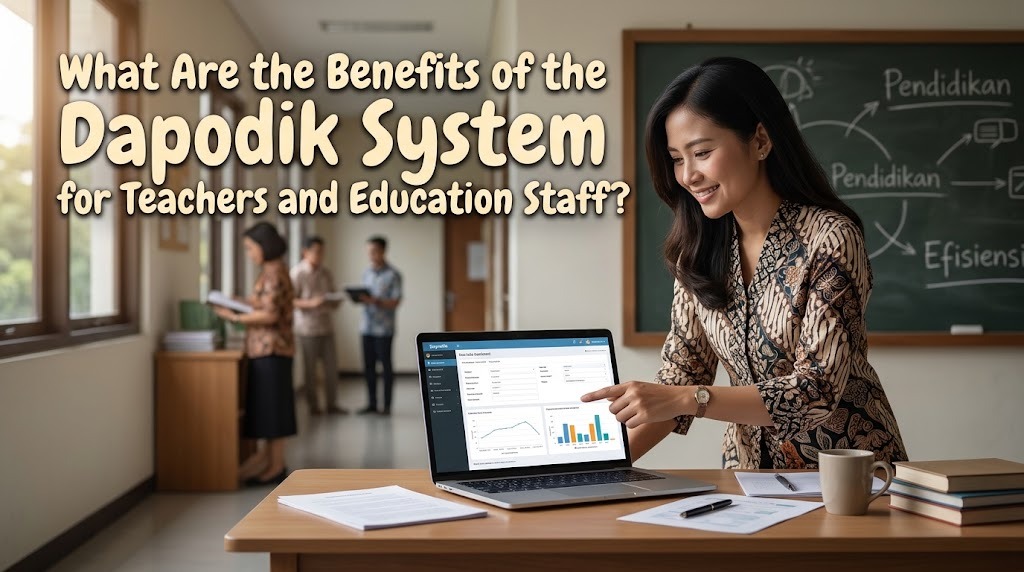
The Dapodik system, which stands for Data Pokok Pendidikan, is an important education data system in Indonesia. It stores essential information about schools, students, teachers, and education staff. This information helps the government and educational institutions manage educational programs and make decisions based on accurate data. For teachers and education staff, Dapodik supports administrative processes and helps verify information needed for various education programs. Maintaining accurate and updated data is therefore important for both individual educators and schools.
SUPPORTING TEACHER ADMINISTRATION
One of the main benefits of Dapodik is that it helps schools manage teachers' administrative information in a more organized way. The system records important details, including personal information, employment status, teaching assignments, and educational qualifications. These records help schools maintain consistent information about their teaching workforce. When teachers change their assignments or employment details, the relevant information can be updated through the school's data management process. Accurate administrative data helps reduce inconsistencies that may complicate school administration.
Dapodik also makes it easier for schools to provide information required for educational planning and government programs. School operators generally handle the technical process of entering and updating data, while teachers and education staff need to provide correct information. Cooperation between these parties helps maintain reliable records. Teachers should periodically check relevant information through the official services available to them. This practice can help identify errors before they create further administrative problems.
SUPPORTING TEACHER ALLOWANCES AND BENEFITS
Dapodik plays an important role in verifying information used in certain teacher allowance programs. Data such as employment status, teaching assignments, and workload may be considered when checking whether a teacher meets applicable administrative requirements. The relevant authorities use this information alongside other verification procedures to determine eligibility. Accurate and updated Dapodik records can help prevent administrative discrepancies that might delay the processing of eligible benefits. However, being registered in Dapodik does not automatically guarantee that a teacher will receive an allowance.
Teachers should understand that each allowance program has its own eligibility criteria and administrative procedures. They may need to meet requirements related to professional certification, workload, employment status, or other supporting documents. If information is incorrect, teachers should coordinate with the school operator or the responsible school administrator to request corrections through the proper process. They should also check the status of their data through the official information services provided by the education authorities. Keeping records current can help make the verification process more orderly and transparent.
HELPING TEACHERS ACCESS PROFESSIONAL DEVELOPMENT PROGRAMS
Another benefit of Dapodik is its role in supporting the administration of teacher development programs. Education authorities may use recorded teacher information to identify potential participants and verify administrative requirements for particular programs. These programs can include professional education, certification-related processes, and opportunities to improve teaching qualifications. Reliable data helps ensure that information about teachers can be assessed more consistently. It also supports planning for professional development based on the needs of the education system.
Teachers who want to participate in professional development opportunities should ensure that their qualifications and employment information are recorded correctly. Complete data can support the verification process, although participation still depends on the requirements of each program. If teachers discover inaccurate information, they should follow the established correction procedures before an application or verification deadline. School operators can help review and update records within their authorized responsibilities. With proper data management, teachers can reduce avoidable administrative obstacles when pursuing professional growth.
IMPROVING SCHOOL PLANNING AND RESOURCE ALLOCATION
Dapodik provides information that helps schools and education authorities understand staffing conditions and educational needs. Data about teachers, education staff, and school characteristics can support decisions about workforce planning and resource allocation. For example, schools may use their records to review teaching assignments and identify administrative information that requires attention. Education authorities can also use aggregated data to understand staffing needs across different regions. This information can contribute to more organized educational planning.
Reliable records are especially important when schools experience changes in staffing or teaching responsibilities. If a teacher moves to another school, changes duties, or receives a new assignment, the relevant information needs to be processed according to the applicable procedures. Outdated records may create confusion about staffing conditions or responsibilities. Regular data updates help schools maintain a clearer picture of their actual needs. As a result, Dapodik can support better coordination between schools and education authorities.
INCREASING DATA ACCURACY AND ADMINISTRATIVE TRANSPARENCY
Dapodik encourages schools to maintain consistent and verifiable education records. When information is entered correctly and updated regularly, school administrators can use it more confidently for reporting and administrative purposes. Teachers and education staff also benefit because their professional information is documented within the education data system. Accurate records can make it easier to identify discrepancies and determine which information needs correction. This supports a more accountable approach to education administration.
However, the benefits of Dapodik depend on how responsibly the system is managed. Incorrect information, delayed updates, or incomplete records can affect administrative verification and planning. Teachers should review their personal and professional information, while school operators should follow official procedures when entering or correcting data. Schools should also protect sensitive information and limit access to authorized personnel. By prioritizing data accuracy, regular updates, and information security, schools can make Dapodik more useful for teachers and education staff.
STRENGTHENING COORDINATION BETWEEN SCHOOLS AND EDUCATION AUTHORITIES
Dapodik also supports communication and coordination between schools and government education offices. Because education data is collected in a more standardized format, relevant authorities can use it to monitor educational conditions and plan programs. Schools can provide updated information about their teachers and education staff through the established data management process. This helps reduce inconsistencies between school records and information used for administrative purposes. Better coordination can make education planning more systematic.
Teachers and education staff contribute to this process by providing accurate information and reporting changes promptly. School operators are responsible for technical data management within their assigned duties, while school leaders help oversee the accuracy of school information. Education authorities provide guidance and carry out relevant verification or monitoring functions. Effective coordination among all parties helps maintain reliable education data. When each party fulfills its responsibilities, Dapodik can better support the administration and development of education services.
CONCLUSION
The Dapodik system offers several benefits for teachers and education staff, including organized administrative records, support for allowance verification, access to professional development processes, improved school planning, and stronger coordination with education authorities. These benefits depend on accurate information and regular updates. Teachers should check their data and report discrepancies, while school operators and administrators should follow the appropriate procedures for managing records. It is also important to remember that Dapodik registration alone does not guarantee eligibility for allowances or professional programs. With responsible data management, Dapodik can support more effective, transparent, and reliable education administration in Indonesia.
Recent Posts

Bagaimana Sistem SKS pada Program Kuliah... 22.11.2026/50 View

How Does Technology Make Daily Evaluation... 21.11.2026/79 View

Apa Strategi Menghadapi Kesenjangan antara Kompetensi... 21.11.2026/79 View

Mengapa Inventaris Aset Penting bagi Kelancaran... 21.11.2026/75 View

When Should Musicians Join a Record... 21.11.2026/80 View
