

What Are the Benefits of Using a Digital Membership Card?
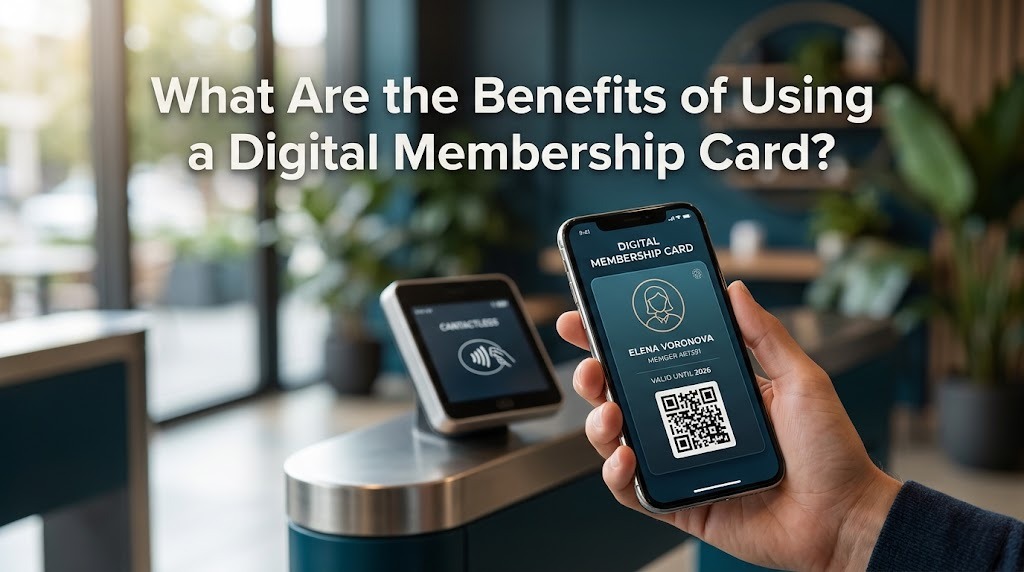
A digital membership card is an electronic identification document that allows individuals to prove their membership in an organization, association, institution, or community through digital devices. Unlike traditional physical cards, digital membership cards can be stored and accessed using smartphones, tablets, or computers. They are increasingly used by professional organizations, educational institutions, sports clubs, shopping businesses, and various membership-based services.
The development of digital technology has changed how organizations manage their members. Many institutions are moving from printed identification cards to digital systems because they offer greater flexibility, faster access, and more efficient administration. Digital membership cards also help reduce printing costs while making it easier to update member information. Understanding their benefits can help organizations and members make better use of modern membership systems.
PROVIDING EASIER AND FASTER ACCESS
One of the main benefits of a digital membership card is easy and fast access. Members do not need to carry a physical card because their identification can be stored directly on a smartphone or accessed through an official application. This makes it more convenient to present membership information whenever it is needed.
For example, members can display their digital cards when attending organizational meetings, participating in events, or accessing specific facilities. Some systems also use QR codes or barcodes that administrators can scan to verify membership information quickly.
This convenience is especially useful for people who frequently participate in different organizational activities. As long as members have access to their digital accounts or stored cards, they can present their identification without worrying about leaving a physical card at home.
REDUCING PRINTING AND ADMINISTRATIVE COSTS
Digital membership cards can help organizations reduce operational expenses. Traditional membership cards require materials, printing equipment, and distribution processes. When an organization has hundreds or thousands of members, these expenses can become significant.
With digital cards, organizations can distribute identification documents electronically without printing a new card for every member. This can reduce spending on plastic materials, printing services, packaging, and physical delivery.
Digital systems can also simplify administrative activities. Instead of manually producing replacement cards, administrators can update membership information through a centralized database. This makes the process more efficient and allows staff to focus on other organizational responsibilities.
However, organizations may still need to invest in software, digital infrastructure, maintenance, and technical support. These costs should be considered when deciding whether to adopt a digital membership system.
MAKING MEMBERSHIP INFORMATION EASIER TO UPDATE
Another important advantage is the ability to update membership information more easily. Physical cards often need to be reprinted when personal information changes or when a membership period is extended. This can take additional time and money.
Digital membership cards allow administrators to modify certain details through an electronic system. For example, they can update contact information, membership categories, registration status, and expiration dates without producing a completely new physical card.
This feature is particularly useful for organizations that regularly manage large membership databases. Updated information can be made available to members more quickly, helping prevent inconsistencies between identification cards and administrative records.
Nevertheless, organizations should establish clear procedures for updating personal information. Only authorized administrators should be permitted to make changes to official membership records.
IMPROVING MEMBERSHIP VERIFICATION AND SECURITY
Digital membership cards can improve membership verification through technologies such as QR codes, barcodes, and electronic databases. These features allow administrators to check whether a membership is valid without relying entirely on manual identification procedures.
For example, when members attend an event, administrators can scan their digital cards to confirm their registration status. The system may also help record attendance and identify members who are authorized to participate in specific activities.
Digital verification can also reduce the risk of certain forms of card duplication because membership information can be connected to an official database. However, a digital card is not automatically secure. Organizations must implement appropriate security measures, such as account authentication, access restrictions, encryption, and regular system updates.
Members also have responsibilities when using digital cards. They should protect their passwords, avoid sharing verification codes, and access membership services through official applications or platforms.
SUPPORTING ENVIRONMENTALLY FRIENDLY PRACTICES
Using digital membership cards can support environmental sustainability by reducing the need for physical card production. Traditional cards often use plastic, paper, printing ink, and packaging materials. Producing and replacing these cards can contribute to material consumption and waste.
By adopting digital identification systems, organizations can reduce their dependence on printed membership documents. This approach can be particularly beneficial for institutions with large numbers of members or frequent registration activities.
Digital cards also eliminate the need to distribute many physical documents through postal or delivery services. As a result, organizations may reduce some transportation and packaging requirements associated with card distribution.
However, digital technology also requires electronic devices, energy, and supporting infrastructure. Therefore, its environmental benefits depend on how responsibly the system is developed, operated, and maintained.
INCREASING MEMBER ENGAGEMENT AND ORGANIZATIONAL EFFICIENCY
Digital membership cards can strengthen communication and member engagement when connected to an organization's digital platform. Members may receive notifications about upcoming activities, membership renewal reminders, special announcements, or available benefits through the same system.
Some digital membership platforms also provide access to event registration, reward programs, exclusive services, and membership history. These features make it easier for members to interact with the organization without visiting an administrative office.
For administrators, digital systems can improve organizational efficiency by connecting membership identification with other administrative functions. Member databases, attendance records, and service access systems can be managed more systematically when properly integrated.
This approach can help organizations understand member needs, monitor participation, and improve the quality of their services. However, the system should remain simple and accessible so that members with different levels of digital experience can use it comfortably.
CONCLUSION
Digital membership cards offer several advantages, including easier access, lower printing expenses, faster information updates, improved verification, and more efficient organizational administration. They can also support environmentally responsible practices and strengthen communication between organizations and their members.
Despite these benefits, organizations must consider digital security, technology costs, internet accessibility, and members' ability to use electronic services. Providing clear instructions and reliable technical support is essential for successful implementation. By adopting an appropriate digital membership system, organizations can create a more practical, secure, and modern membership experience.
Recent Posts

Bagaimana Sistem SKS pada Program Kuliah... 22.11.2026/48 View

How Does Technology Make Daily Evaluation... 21.11.2026/76 View

Apa Strategi Menghadapi Kesenjangan antara Kompetensi... 21.11.2026/78 View

Mengapa Inventaris Aset Penting bagi Kelancaran... 21.11.2026/73 View

When Should Musicians Join a Record... 21.11.2026/78 View
