

What Are the Benefits of Using Real Time Tracking Systems in Modern Logistics?
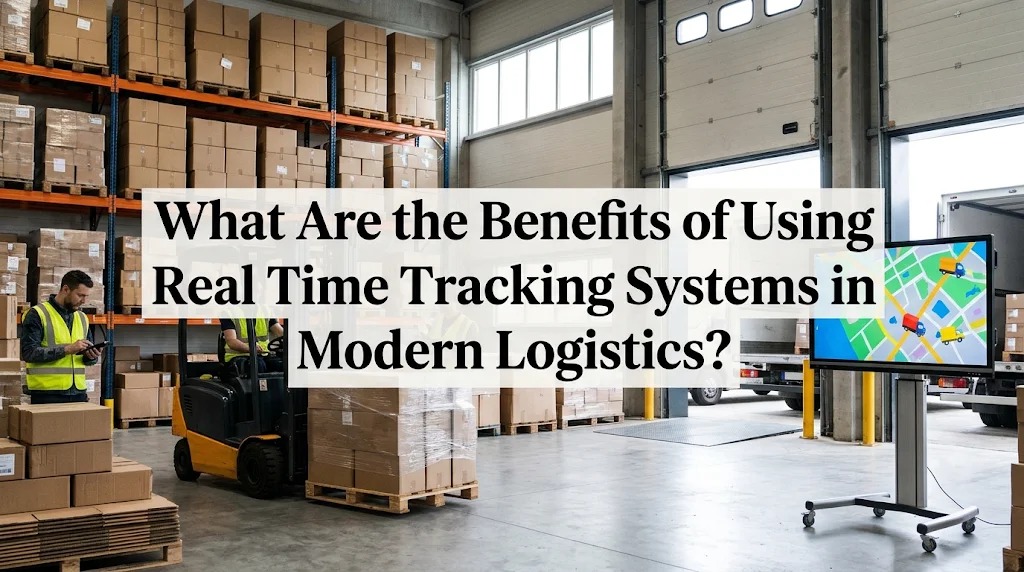
Real-time tracking systems have become an important part of modern logistics because they allow businesses to monitor the movement of products, vehicles, and shipments throughout the delivery process. As customer expectations continue to increase, companies need reliable systems to provide accurate delivery information and maintain efficient distribution activities. Traditional tracking methods often depend on manual updates, which can make it difficult to identify shipment locations quickly. With real-time tracking technology, businesses can access updated information, respond to transportation problems, and improve communication with customers. Understanding the benefits of real-time tracking systems helps companies strengthen logistics performance, reduce operational risks, and create more reliable delivery services.
UNDERSTANDING REAL-TIME TRACKING SYSTEMS IN LOGISTICS
Real-time tracking systems are digital technologies that allow businesses to monitor the location and movement of vehicles, products, and shipments while transportation activities are taking place. These systems commonly use technologies such as Global Positioning System (GPS), internet connectivity, sensors, and specialized software to collect and transmit location information.
In modern logistics, real-time tracking helps companies understand where shipments are located and whether deliveries are progressing according to schedule. For example, a distribution company can use GPS technology to monitor delivery vehicles and identify their current routes. Meanwhile, customers can receive shipment updates through tracking applications or online platforms. This technology provides better visibility throughout the delivery process and helps businesses manage transportation activities more effectively.
IMPROVING DELIVERY ACCURACY AND OPERATIONAL EFFICIENCY
One of the main benefits of real-time tracking systems is improving delivery accuracy. Companies can monitor shipment movements and compare actual transportation progress with planned delivery schedules. This information helps logistics teams identify potential delays and take appropriate action before delivery problems become more serious.
Real-time tracking also improves operational efficiency by helping businesses organize transportation resources. Managers can monitor vehicle locations, evaluate delivery routes, and identify unnecessary travel distances. Some advanced tracking systems provide information that supports route adjustments when traffic congestion or road restrictions occur. By using accurate location data, companies can reduce inefficient transportation activities, improve delivery coordination, and use their resources more productively.
INCREASING CUSTOMER SATISFACTION AND TRANSPARENCY
Customer satisfaction is another important advantage of real-time tracking technology. Modern customers want to know where their orders are and when they can expect to receive them. Tracking systems provide shipment updates that help customers follow the delivery process without repeatedly contacting customer service.
Greater delivery transparency also helps businesses build customer trust. When customers receive accurate information about shipment progress, they can make better arrangements to receive their orders. If unexpected delays occur, companies can provide updates and explain possible changes to delivery schedules. This communication reduces uncertainty and creates a better customer experience. Businesses that provide reliable tracking information can strengthen their reputation and encourage long-term customer relationships.
REDUCING OPERATIONAL RISKS AND IMPROVING SECURITY
Real-time tracking systems help companies identify transportation problems and respond to unexpected situations more quickly. For example, managers can monitor unusual vehicle movements, unexpected route changes, and extended stops during transportation. These alerts may help businesses investigate potential delivery disruptions and take preventive action.
Tracking technology can also support shipment security by providing location records throughout the transportation process. Companies can use this information to investigate missing shipments, identify possible unauthorized movements, and improve delivery accountability. In addition, businesses can combine tracking systems with electronic proof of delivery to confirm that products have reached their intended destinations. However, tracking systems should be supported by proper data protection, secure access controls, and clear operational procedures to protect sensitive information.
SUPPORTING BETTER DECISION-MAKING AND LOGISTICS PLANNING
Real-time tracking systems provide valuable information that helps businesses make better logistics decisions. By analyzing transportation records, companies can evaluate delivery performance, identify frequently delayed routes, and understand patterns in vehicle utilization. This information can support more accurate transportation planning and improve the allocation of logistics resources.
Furthermore, tracking data can help businesses develop long-term improvement strategies. For example, companies can compare delivery performance across different transportation routes and identify opportunities to reduce fuel consumption or improve scheduling. When integrated with Transportation Management Systems (TMS), tracking technology can provide a more complete view of distribution activities. These insights allow businesses to improve operational planning, manage transportation expenses, and respond more effectively to changing customer demands.
CONCLUSION
Real-time tracking systems provide important benefits for modern logistics operations by improving delivery accuracy, increasing operational efficiency, and strengthening shipment security. This technology also increases customer satisfaction through transparent delivery information and more reliable communication. In addition, tracking data helps businesses identify transportation problems, evaluate performance, and make better logistics decisions. By adopting suitable tracking technology and maintaining strong data security, companies can improve distribution management, reduce operational risks, and build a more reliable logistics system.
Recent Posts

How Does Technology Make Daily Evaluation... 21.11.2026/62 View

Apa Strategi Menghadapi Kesenjangan antara Kompetensi... 21.11.2026/63 View

Mengapa Inventaris Aset Penting bagi Kelancaran... 21.11.2026/59 View

When Should Musicians Join a Record... 21.11.2026/58 View

Daily Evaluation or Daily Planning Which... 21.11.2026/66 View
