

What Are the Benefits of Virtual Classrooms in Making Education More Flexible?
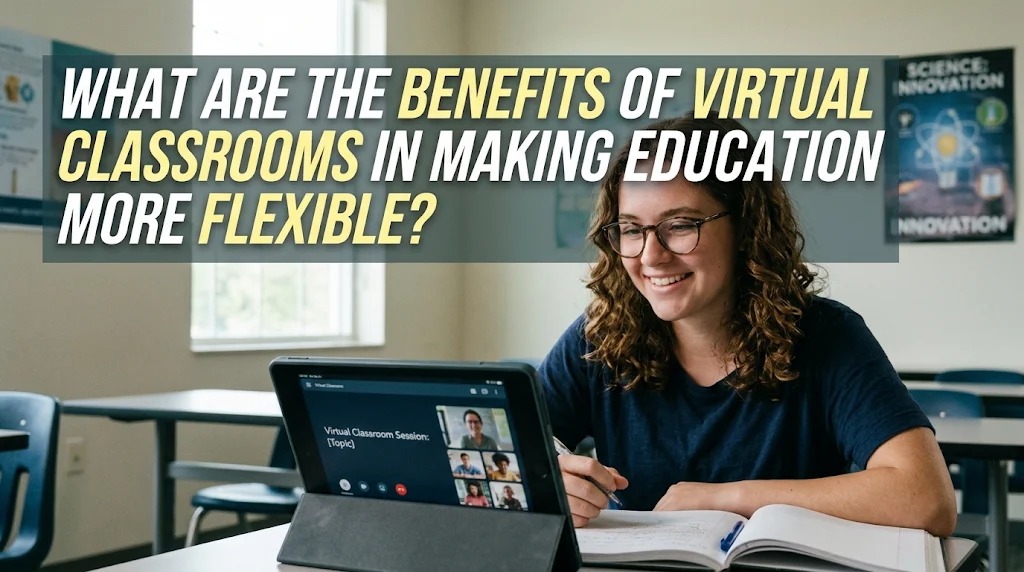
The development of digital technology has changed how students access educational resources and participate in learning activities. One of the most important innovations in modern education is the virtual classroom, which allows teachers and students to interact through internet-based platforms without being physically present in the same location. This learning model has become increasingly useful because it provides greater flexibility in managing educational activities.
Virtual classrooms offer various benefits, including flexible learning schedules, wider access to educational materials, and opportunities to communicate remotely. Students can attend lessons from different locations, while teachers can distribute assignments and explain subjects through digital tools. These advantages make virtual classrooms an alternative learning solution for educational institutions seeking to improve accessibility and learning efficiency. However, their effectiveness still depends on internet availability, digital literacy, and appropriate teaching strategies.
PROVIDING FLEXIBLE LEARNING SCHEDULES
One of the main benefits of virtual classrooms is the flexibility they provide in organizing learning activities. Students can participate in online lessons without spending time traveling to school or other educational institutions. This can make it easier for individuals who live far from educational facilities or have additional responsibilities outside their studies. Teachers can also organize learning sessions using digital platforms according to the needs of their classes.
Some virtual classroom platforms provide recorded lessons that students can access after live sessions have finished. This feature allows them to review explanations, revisit difficult topics, and study materials at a more suitable time. Students who need additional time to understand certain subjects can benefit from this flexibility. By supporting flexible learning schedules, virtual classrooms help students organize their academic activities more effectively.
EXPANDING ACCESS TO EDUCATIONAL OPPORTUNITIES
Virtual classrooms make education more accessible by reducing the limitations of geographical distance. Students who live in remote areas can participate in online learning activities when they have suitable internet access and digital devices. They do not always need to travel long distances to attend lessons or access educational resources. This creates opportunities for learners who may have limited access to certain educational institutions.
In addition, virtual classrooms can connect students with teachers, educational programs, and learning resources from different regions. They can participate in online seminars, attend special courses, and interact with individuals who have different academic backgrounds. This wider access helps students develop knowledge beyond their local learning environments. Therefore, educational accessibility is one of the most valuable contributions of virtual classrooms to modern education.
SUPPORTING INDEPENDENT AND SELF-PACED LEARNING
Virtual classrooms encourage students to take greater responsibility for their learning progress. Through digital platforms, they can access learning materials, complete assignments, review recorded lessons, and monitor academic activities. These features allow students to organize their study routines and identify subjects that require additional attention. As a result, they can develop better time management and independent learning habits.
Self-paced learning is particularly beneficial for students who have different levels of understanding. Some learners may need to review a lesson several times, while others can understand the material more quickly. Digital resources allow students to revisit explanations and practice exercises according to their individual needs. However, teachers should continue providing guidance and feedback to ensure that students remain motivated and achieve their learning objectives. Developing independent learning skills can prepare students to become more responsible and confident learners.
IMPROVING COMMUNICATION AND COLLABORATION
Although virtual classrooms do not require physical meetings, they still provide opportunities for teachers and students to communicate. Video conferencing, discussion forums, messaging features, and digital collaboration tools allow participants to exchange information and ask questions. Teachers can explain lessons, provide instructions, and respond to student concerns through these platforms. These communication features help maintain interaction throughout the learning process.
Virtual classrooms also support teamwork through group assignments and shared digital documents. Students can collaborate on presentations, research projects, and classroom discussions even when they live in different locations. These activities encourage them to share ideas, divide responsibilities, and develop problem-solving abilities. Through effective online collaboration, students can strengthen their communication skills while becoming familiar with digital teamwork environments.
PROVIDING ACCESS TO VARIOUS DIGITAL LEARNING RESOURCES
Another advantage of virtual classrooms is their ability to connect students with different types of educational materials. Teachers can share electronic books, presentation slides, educational videos, academic articles, and interactive exercises through online platforms. These resources provide alternative explanations that can help students understand complicated subjects. They also make it easier for learners to access materials without depending entirely on printed textbooks.
Digital learning resources can support different teaching methods and student preferences. For example, videos can explain processes visually, while interactive quizzes can help students evaluate their understanding. Some platforms also provide digital progress reports that allow teachers to monitor student participation and performance. By using digital learning resources effectively, educators can create more varied and engaging educational experiences.
REDUCING LEARNING COSTS AND SAVING TIME
Virtual classrooms can help reduce certain expenses associated with traditional face-to-face education. Students may spend less money on transportation, printed materials, and other costs related to traveling to educational institutions. Teachers can also distribute assignments and learning materials digitally, reducing the need for printing large quantities of documents. These advantages can make some educational activities more efficient for students and schools.
Saving time is another important benefit of virtual learning. Students do not need to spend hours commuting, especially when they live far from their schools or campuses. The time saved can be used for studying, completing assignments, developing personal skills, or participating in other productive activities. Nevertheless, virtual classrooms still require devices, electricity, and internet connections, which can create additional expenses for some families. With proper planning, cost-effective education can become one of the benefits of implementing virtual classrooms.
CONCLUSION
Virtual classrooms provide several benefits that make education more flexible, including adaptable learning schedules, wider educational access, independent learning opportunities, improved communication, and access to various digital resources. They also help students save time and reduce certain educational expenses. These advantages make virtual classrooms a valuable learning alternative in the digital era.
However, successful virtual learning requires reliable internet access, appropriate digital devices, and effective teaching strategies. Teachers must continue guiding students, encouraging participation, and evaluating learning progress. Students also need discipline and digital literacy to use online platforms responsibly. By combining technological facilities with proper educational support, virtual classrooms can create a more accessible, flexible, and effective learning environment.
Recent Posts

Bagaimana Sistem SKS pada Program Kuliah... 22.11.2026/30 View

How Does Technology Make Daily Evaluation... 21.11.2026/66 View

Apa Strategi Menghadapi Kesenjangan antara Kompetensi... 21.11.2026/65 View

Mengapa Inventaris Aset Penting bagi Kelancaran... 21.11.2026/64 View

When Should Musicians Join a Record... 21.11.2026/64 View
