

What Are the Best Strategies for Preserving Cultural Heritage for Future Generations?
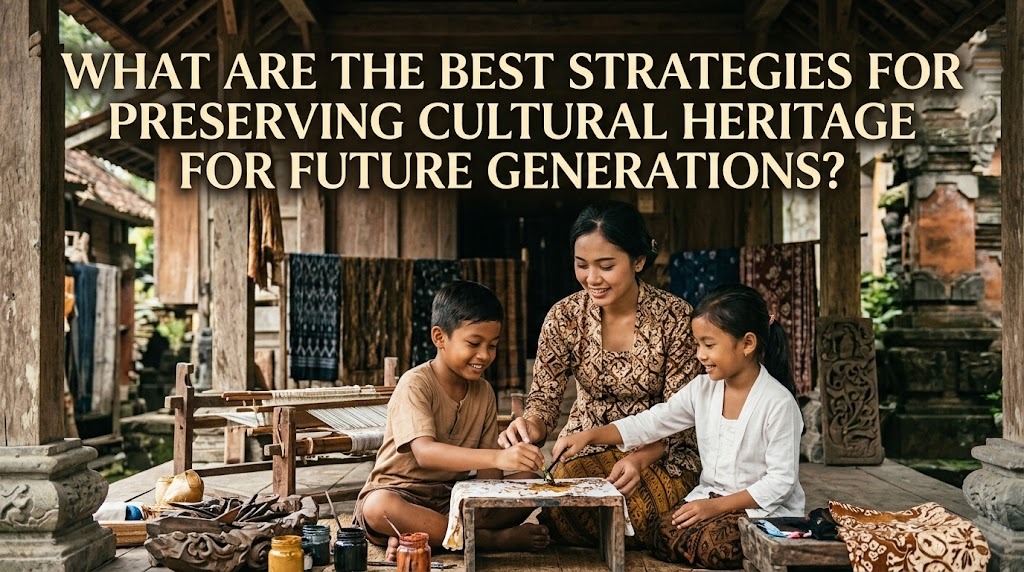
Cultural heritage represents the history, identity, traditions, and values of a community. It includes historical buildings, traditional clothing, local languages, music, dances, crafts, and customs passed down through generations. However, modernization, environmental damage, and declining interest in traditional practices can threaten these valuable cultural resources. Preserving cultural heritage is essential to ensure that future generations can understand their roots and appreciate the diversity of human history. By combining education, community participation, technology, and conservation efforts, societies can protect cultural heritage for the future.
EDUCATING YOUNGER GENERATIONS ABOUT CULTURAL HERITAGE
Education is one of the most effective strategies for preserving cultural heritage. When children and young people learn about local history, traditional customs, and cultural values, they develop a better understanding of their identity. Schools can introduce cultural topics through classroom lessons, museum visits, traditional art activities, and historical research projects. These experiences help students recognize why cultural heritage deserves protection.
Families also play an important role in cultural education. Parents and grandparents can share traditional stories, teach regional languages, and explain the meaning of cultural ceremonies. Learning directly from older generations allows young people to gain knowledge that may not be available in textbooks. By making cultural education part of everyday life, communities can encourage younger generations to continue meaningful traditions.
PROTECTING HISTORICAL BUILDINGS AND CULTURAL SITES
Historical buildings, monuments, archaeological sites, and traditional settlements provide valuable evidence of the past. Protecting these places helps preserve the architectural styles, historical events, and cultural practices associated with them. Governments and conservation organizations can maintain these sites through careful restoration, regular inspections, and appropriate legal protection. Conservation work should follow professional standards to avoid damaging original materials or historical features.
Communities can support these efforts by keeping heritage areas clean, respecting visitor regulations, and reporting damage or illegal activities. Tourism should also be managed responsibly to prevent overcrowding, pollution, and excessive pressure on historical structures. In Indonesia, places such as Borobudur Temple and Prambanan Temple demonstrate the importance of protecting historic sites while sharing their significance with visitors. Careful management helps ensure that these cultural treasures remain accessible to future generations.
PRESERVING LOCAL LANGUAGES AND TRADITIONAL KNOWLEDGE
Local languages carry stories, expressions, values, and knowledge developed over many generations. When a language disappears, important cultural meanings and traditional knowledge may also become difficult to recover. Communities can help preserve languages by encouraging families to use them at home and supporting language education in schools. Recording oral histories, folk songs, and traditional expressions can also help document languages for future learning.
Traditional knowledge should be preserved alongside the languages and practices through which it is communicated. Communities can document traditional crafts, cooking methods, agricultural practices, and local environmental knowledge with the participation of knowledgeable practitioners. These efforts should respect community ownership and obtain permission before recording or sharing sensitive information. By protecting both languages and knowledge, societies can maintain important connections between cultural heritage and everyday life.
USING DIGITAL TECHNOLOGY TO DOCUMENT CULTURAL HERITAGE
Digital technology provides useful tools for documenting and sharing cultural heritage. Photographs, videos, audio recordings, digital archives, and three-dimensional models can preserve information about cultural objects, historical sites, and traditional practices. These resources can help researchers, students, and communities access cultural information even when visiting the original locations is difficult. Digital documentation can also provide valuable reference material when physical objects or sites are damaged.
Young people and cultural organizations can contribute by creating educational websites, online exhibitions, and videos about local traditions. Social media can introduce cultural heritage to wider audiences and encourage participation in preservation activities. However, digital records do not replace the physical conservation of historical objects or the continued practice of living traditions. Information must also be verified, stored securely, and shared with appropriate permission to ensure responsible preservation.
SUPPORTING TRADITIONAL ARTISTS AND LOCAL CRAFTSMEN
Traditional artists, musicians, performers, and craftspeople help keep cultural heritage alive through their skills and creativity. However, some traditional practices may decline when practitioners lack income, training opportunities, or younger learners. Supporting these individuals through fair purchases, cultural events, workshops, and educational programs can help sustain their livelihoods. Their continued work also creates opportunities for cultural knowledge to be passed from experienced practitioners to new generations.
Communities can organize craft exhibitions, traditional music performances, and cultural festivals to introduce these practices to wider audiences. Schools can invite local artists to demonstrate their skills and explain the cultural meanings behind their work. Modern designs and digital marketing can also help traditional products reach new customers without losing their cultural significance. Respectful collaboration between traditional practitioners and younger creators can make cultural heritage economically sustainable while preserving its authenticity.
INVOLVING COMMUNITIES IN CULTURAL PRESERVATION
Community participation is essential because cultural heritage belongs to the people who maintain and practice it. Local residents often possess valuable knowledge about historical places, customary practices, and cultural objects. Their involvement helps ensure that preservation decisions reflect local needs, values, and experiences. It also encourages a stronger sense of responsibility toward shared cultural resources.
Governments, schools, cultural organizations, and community leaders can work together to organize preservation projects. Activities may include restoring traditional public spaces, documenting oral histories, maintaining cultural festivals, and teaching traditional skills. Communities should be involved in decisions about how their heritage is presented, managed, and shared with visitors. This approach makes preservation more inclusive and increases the likelihood that cultural practices will continue over time.
PROMOTING RESPONSIBLE CULTURAL TOURISM
Cultural tourism can support heritage preservation by generating income for local communities and increasing public awareness. Visitors may learn about historical sites, traditional crafts, regional food, and local customs through guided tours and cultural activities. Tourism revenue can help fund conservation projects, maintain heritage buildings, and support local cultural practitioners. When managed responsibly, tourism can create economic opportunities while encouraging appreciation of cultural diversity.
However, excessive tourism can damage historical structures, increase waste, and disrupt community life. Tourism managers should establish appropriate visitor limits where necessary, provide clear guidance, and protect culturally sensitive places and practices. Visitors should respect local customs, follow conservation rules, and purchase authentic local products when possible. Responsible cultural tourism balances economic benefits with the long-term protection of cultural heritage.
STRENGTHENING GOVERNMENT POLICIES AND FUNDING
Government support is important for protecting cultural heritage on a long-term basis. Laws and regulations can help prevent the illegal trade of cultural objects, unauthorized construction, vandalism, and the destruction of protected sites. Governments can also provide funding for restoration, cultural education, language documentation, and traditional arts programs. Effective policies should be supported by trained professionals, transparent management, and cooperation with local communities.
International cooperation can strengthen these efforts when heritage faces challenges that cross national boundaries or requires specialized expertise. Organizations such as UNESCO support international efforts to safeguard cultural and natural heritage through conventions, programs, and knowledge-sharing initiatives. Nevertheless, successful preservation also depends on local action and sustained financial support. Combining strong policies with community participation helps protect cultural heritage more effectively.
CONCLUSION
The best strategies for preserving cultural heritage include education, historical site conservation, language protection, digital documentation, support for traditional artists, community participation, responsible tourism, and effective government policies. These approaches work together to protect both physical heritage, such as monuments and artifacts, and living heritage, such as languages, music, and customs. Successful preservation requires cooperation between individuals, families, communities, educational institutions, and governments.
Every generation has a responsibility to protect valuable cultural knowledge and pass it on responsibly. Simple actions, such as learning a local language, supporting traditional crafts, or respecting historical sites, can contribute to wider preservation efforts. By taking consistent and inclusive action, society can ensure that cultural heritage remains meaningful and accessible to future generations.
Recent Posts

Bagaimana Sistem SKS pada Program Kuliah... 22.11.2026/49 View

How Does Technology Make Daily Evaluation... 21.11.2026/76 View

Apa Strategi Menghadapi Kesenjangan antara Kompetensi... 21.11.2026/78 View

Mengapa Inventaris Aset Penting bagi Kelancaran... 21.11.2026/74 View

When Should Musicians Join a Record... 21.11.2026/78 View
