

What Are the Biggest Challenges Facing the Indonesian Music Industry?
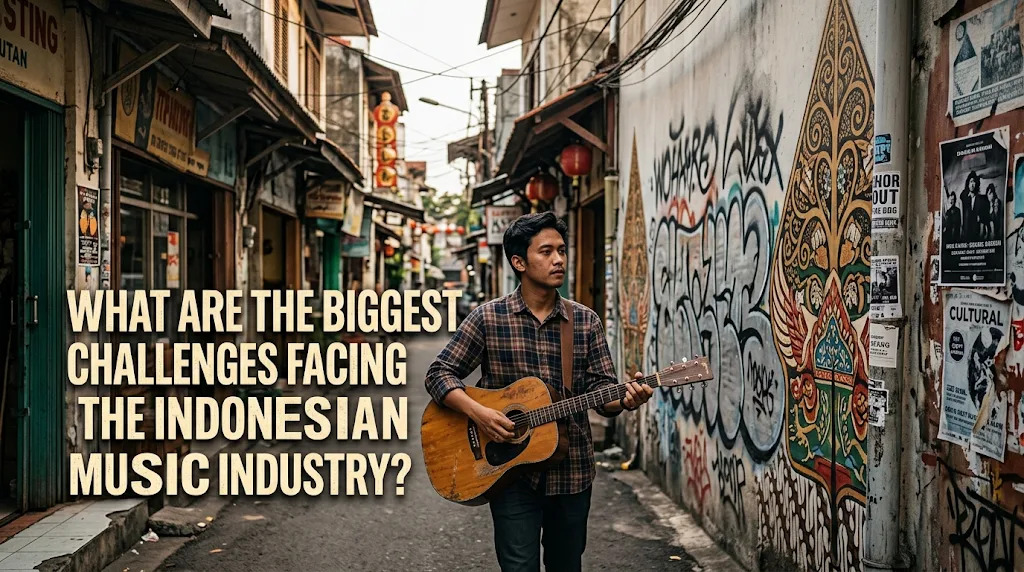
The Indonesian music industry has experienced significant growth through digital technology, music streaming platforms, and the increasing popularity of local artists. Indonesian musicians now have more opportunities to introduce their songs to national and international audiences. However, despite this progress, the industry continues to face several challenges that affect artists, record labels, music producers, and other professionals.
These challenges include copyright protection, limited financial resources, intense market competition, unequal royalty distribution, and difficulties in reaching wider audiences. Understanding these issues is important for developing a stronger and more sustainable music industry in Indonesia.
COPYRIGHT PROTECTION AND MUSIC PIRACY
Copyright protection remains one of the biggest challenges facing the Indonesian music industry. Musicians, songwriters, composers, and producers have legal rights over their creative works. However, unauthorized distribution, illegal downloads, and the use of songs without permission can reduce the economic benefits received by creators.
Music piracy also makes it more difficult for artists and copyright owners to control how their work is used. Some businesses and individuals may use music for commercial purposes without obtaining the necessary licenses. Stronger copyright awareness, effective legal enforcement, and proper licensing practices are essential to protect the interests of music creators.
LIMITED FINANCIAL SUPPORT FOR MUSICIANS
Financial limitations can prevent many Indonesian musicians from developing their careers. Producing professional recordings, creating music videos, promoting releases, and organizing concerts require considerable investment. Independent artists may struggle to cover these expenses, especially when they do not have support from record labels or business partners.
Access to financial resources is also important for musicians who want to develop their professional networks and reach new markets. Without sufficient funding, some talented artists may find it difficult to compete with musicians who have stronger financial support. Investment, sponsorships, and independent music business opportunities can help address these challenges and support the growth of local talent.
INTENSE COMPETITION IN THE DIGITAL MUSIC MARKET
The development of digital platforms has made music distribution more accessible. Indonesian musicians can now release songs through streaming services and promote their work on social media without relying entirely on traditional music companies. Although this creates more opportunities, it also increases competition because thousands of artists release new music regularly.
Getting attention from listeners has therefore become increasingly difficult. Artists must develop effective promotional strategies, maintain consistent communication with fans, and create distinctive musical identities. Digital marketing and personal branding are important for building recognition in a crowded market. Musicians also need to understand audience preferences without losing their creative identity.
UNEQUAL ROYALTY DISTRIBUTION AND ARTIST INCOME
Another major challenge involves how music royalties are collected and distributed. Artists, songwriters, composers, performers, publishers, and record labels may have different rights and financial arrangements. Understanding these agreements can be complicated, particularly for independent musicians who have limited knowledge of the music business.
Digital streaming has also changed how musicians generate income. Although streaming platforms provide access to large audiences, earnings depend on various factors, including platform revenue, listening activity, ownership rights, and contractual agreements. Many artists cannot rely entirely on streaming income to support their careers. Transparent royalty systems and clear contracts are important for ensuring that creators receive appropriate compensation for their contributions.
LIMITED ACCESS TO INTERNATIONAL MARKETS
Indonesian musicians have opportunities to introduce their music to international audiences, but entering global markets is not always easy. Language differences, cultural preferences, promotional expenses, and competition from international artists can create significant obstacles. Musicians also need professional networks and distribution strategies to establish their presence outside Indonesia.
International recognition requires more than producing good music. Artists may need to participate in global collaborations, international festivals, and promotional campaigns. Record labels, music distributors, and government-supported creative industry programs can help local musicians access these opportunities. International collaboration and effective music promotion can strengthen the global presence of Indonesian music.
CONCLUSION
The Indonesian music industry faces several important challenges, including copyright protection, financial limitations, digital competition, royalty distribution, and access to international markets. These issues affect the ability of musicians and other industry professionals to develop sustainable careers. Addressing them requires cooperation between artists, record labels, streaming platforms, businesses, and government institutions. Stronger copyright protection, transparent business practices, financial support, and international opportunities can help create a more competitive and sustainable Indonesian music industry.
Recent Posts

How Does Technology Make Daily Evaluation... 21.11.2026/55 View

Apa Strategi Menghadapi Kesenjangan antara Kompetensi... 21.11.2026/57 View

Mengapa Inventaris Aset Penting bagi Kelancaran... 21.11.2026/51 View

When Should Musicians Join a Record... 21.11.2026/52 View

Daily Evaluation or Daily Planning Which... 21.11.2026/59 View
