

What Are the Biggest Challenges in Combating Political Bribery in Modern Democracies?
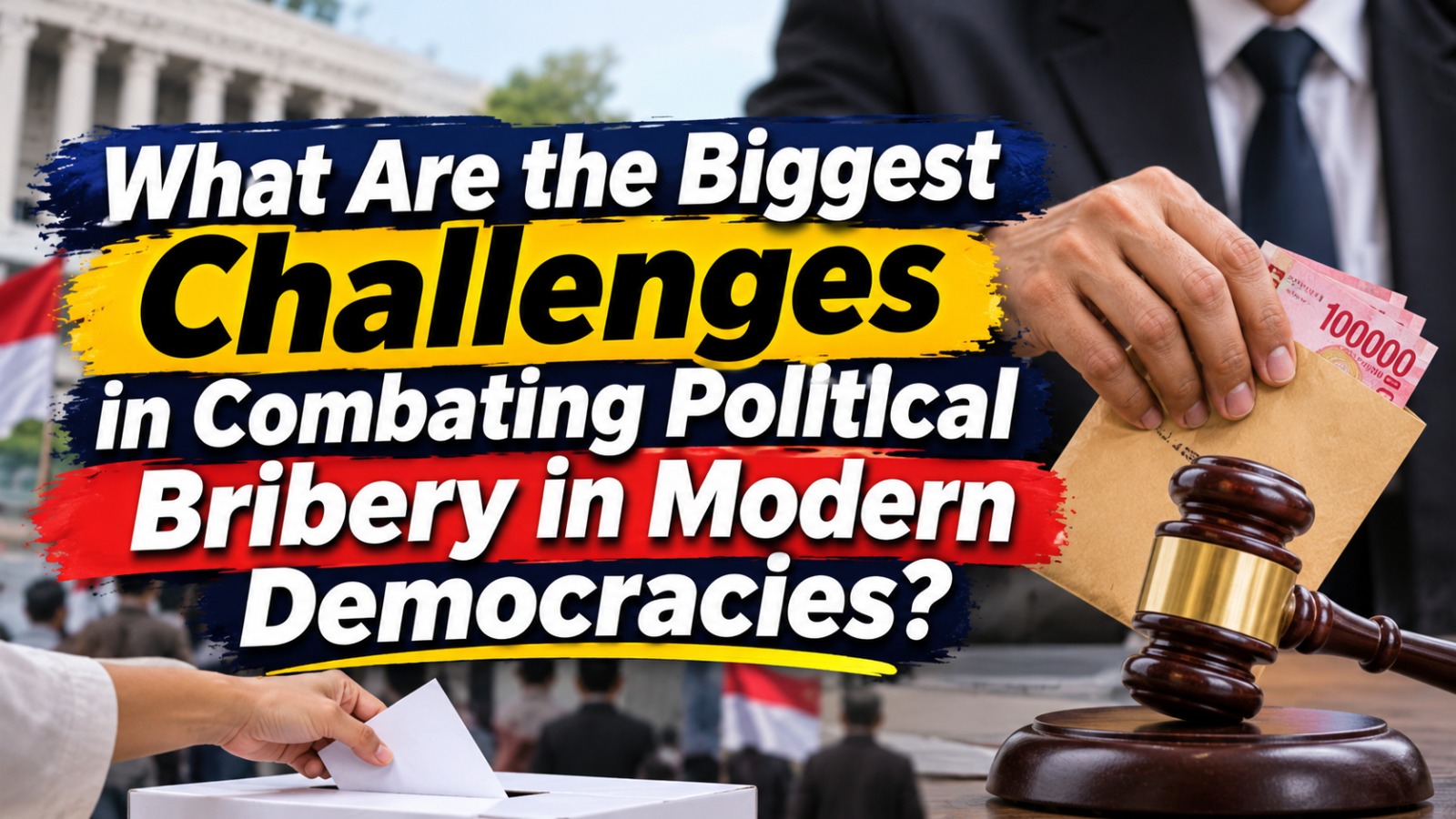
Political bribery remains one of the most difficult challenges facing modern democratic systems. Democracy is built on principles of fairness, transparency, accountability, and equal political participation. However, these principles can be threatened when politicians, government officials, or political organizations use money and personal benefits to influence political decisions. Although many countries have established anti-corruption regulations, political bribery continues because of weak supervision, hidden financial transactions, and the abuse of political authority. This problem can damage public trust, weaken government institutions, and prevent policies from serving the interests of society. Understanding the biggest challenges in combating political bribery is essential for developing effective solutions and protecting democratic values.
WEAK LAW ENFORCEMENT AND LIMITED GOVERNMENT SUPERVISION
One of the biggest challenges in combating political bribery is weak law enforcement. Although many democratic countries have regulations against bribery and corruption, their implementation may not always be effective. Some individuals involved in political bribery have strong financial resources, influential connections, or access to political power that can make investigations more complicated. In certain situations, legal processes may experience delays or political interference, reducing the effectiveness of efforts to hold offenders accountable.
Limited government supervision also creates opportunities for bribery to occur without being detected. Monitoring political donations, campaign expenditures, public procurement, and official financial transactions requires reliable systems and qualified personnel. When supervisory institutions lack sufficient resources or independence, suspicious activities may remain hidden for long periods. Therefore, independent investigations, consistent legal procedures, and stronger institutional oversight are necessary to prevent political bribery and ensure that everyone is treated equally under the law.
HIDDEN POLITICAL FINANCING AND FINANCIAL INTERESTS
Another major challenge is the lack of transparency in political financing. Political parties and candidates often require substantial financial resources to organize campaigns, communicate with voters, and support their political activities. When the sources of these funds are not properly disclosed, illegal contributions and hidden agreements may become difficult to identify. Individuals or businesses may provide financial support with the expectation of receiving special treatment, government contracts, or influence over public policies.
Hidden financial interests can also create conflicts of interest between private benefits and public responsibilities. For example, a political representative may support a government project because of financial relationships with a particular business rather than evaluating its actual benefits for society. These situations make it difficult to distinguish legitimate political cooperation from improper financial influence. Strengthening campaign finance regulations, requiring accurate financial reports, and conducting independent audits can help reduce opportunities for political bribery.
POLITICAL POWER, INFLUENCE, AND INSTITUTIONAL CORRUPTION
Political bribery becomes more difficult to combat when individuals involved have significant political influence. Powerful politicians or organizations may attempt to protect their interests by influencing investigations, controlling important decisions, or maintaining relationships with individuals in strategic government positions. These conditions can weaken the independence of institutions responsible for preventing corruption. When political authority is used to obstruct investigations, the process of enforcing anti-bribery regulations becomes less effective.
Another serious challenge is institutional corruption, which occurs when unethical practices become embedded in the activities and relationships within organizations. In environments where bribery happens repeatedly, individuals may begin to consider illegal payments as an ordinary way to obtain services, political support, or business opportunities. This situation creates a culture that discourages honesty and makes reform more difficult. Breaking such patterns requires institutional changes, ethical leadership, transparent procedures, and strong protection for individuals who report suspected wrongdoing.
LOW PUBLIC AWARENESS AND LIMITED CITIZEN PARTICIPATION
Public awareness is another important factor in combating political bribery. Some citizens may not fully understand how bribery operates or how it affects elections, public services, and government decisions. Others may accept money or gifts during election campaigns because of economic difficulties or limited knowledge about their political rights. This situation can make vote buying more difficult to prevent and weaken the independence of voters.
Limited citizen participation also creates challenges for democratic supervision. When people are reluctant to report suspicious activities, political bribery may continue without sufficient public attention. Fear of intimidation, concerns about personal safety, and a lack of confidence in law enforcement can discourage individuals from reporting violations. Political education can help address these problems by teaching citizens to recognize bribery, understand election regulations, and make independent political decisions. Journalists, educational institutions, and civil society organizations also have important roles in encouraging public participation and promoting accountability.
CONCLUSION
Combating political bribery in modern democracies involves several major challenges, including weak law enforcement, hidden political financing, abuse of political power, institutional corruption, and limited public awareness. These problems allow financial interests to influence political decisions and weaken the principles of fairness and accountability. Addressing them requires independent supervisory institutions, transparent financial reporting, consistent legal enforcement, and responsible political leadership. Citizens must also participate actively by rejecting vote buying, understanding their political rights, and reporting suspected violations through appropriate channels. Through cooperation between governments and society, democratic countries can reduce political bribery and build political institutions that genuinely serve the public interest.
Recent Posts

Apa Dampak Jika Siswa Tidak Mengikuti... 17.11.2026/45 View

Seberapa Penting Pengalaman Organisasi Kampus dalam... 17.11.2026/45 View

Mengapa Upacara Bendera Menjadi Sarana Mengenang... 17.11.2026/43 View

Apa Perbedaan Desainer Grafis dan Desainer... 17.11.2026/47 View

Bagaimana Cara Meningkatkan Semangat Siswa dalam... 17.11.2026/50 View
