

What Are the Biggest Challenges of Implementing Digital Education Systems in Indonesia?
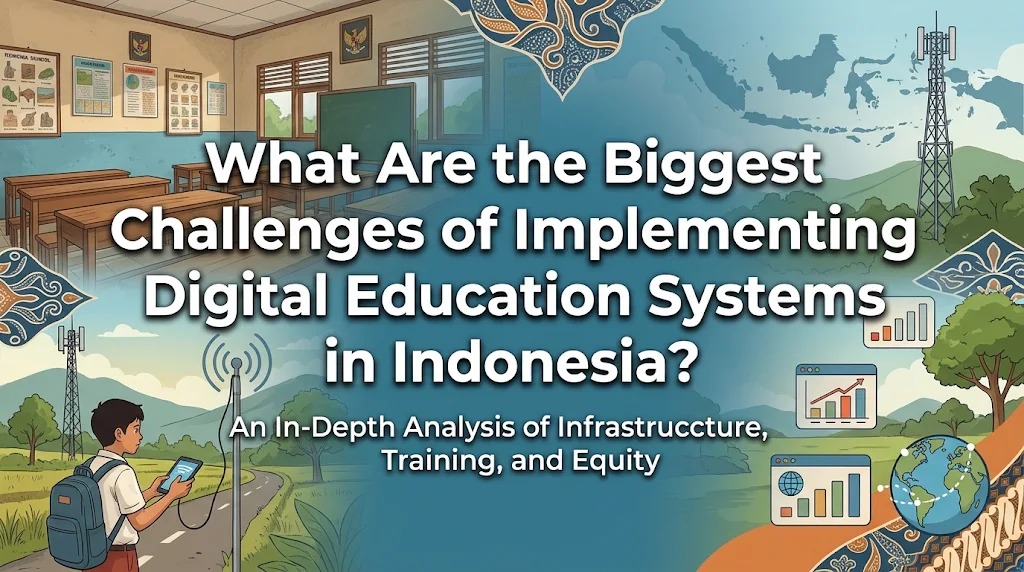
Digital education has become an important part of Indonesia's efforts to improve educational quality and prepare students for the demands of the modern era. The development of internet technology, digital learning platforms, and electronic educational resources has created new opportunities for schools, teachers, and students. Through digital systems, learning activities can become more flexible, interactive, and accessible to a wider range of people.
However, implementing digital education systems in Indonesia is not always easy. The country still faces various challenges, including unequal internet access, limited technological infrastructure, differences in digital skills, and financial limitations. These problems can affect the effectiveness of technology-based learning, especially in remote and underdeveloped regions. Understanding these challenges is essential to developing educational policies and solutions that support equal learning opportunities throughout Indonesia.
UNEQUAL INTERNET ACCESS AND TECHNOLOGICAL INFRASTRUCTURE
One of the biggest challenges of implementing digital education in Indonesia is the unequal distribution of internet access and technological infrastructure. Students in major cities generally have better opportunities to access stable internet connections and modern digital devices. However, schools in remote areas may experience limited network coverage, unstable connections, or a complete lack of reliable internet services. These conditions make it difficult for students to participate in online classes and access digital learning materials.
In addition to internet availability, schools also need supporting facilities such as computers, projectors, electricity, and appropriate learning software. Some educational institutions still depend on limited equipment that cannot accommodate all students. As a result, the implementation of digital learning may not run effectively or consistently. Improving digital infrastructure is therefore an important step toward ensuring that students from different regions have equal opportunities to benefit from educational technology.
LIMITED DIGITAL SKILLS AMONG TEACHERS AND STUDENTS
Another significant challenge is the difference in digital skills among teachers and students. Although many young people are familiar with smartphones and social media, this does not automatically mean they understand how to use technology for educational purposes. Students still need guidance to search for reliable information, use learning applications, and complete digital assignments responsibly. Without proper digital knowledge, technology may become a distraction rather than an effective learning tool.
Teachers also need sufficient technological skills to integrate digital resources into their teaching activities. Some educators may be unfamiliar with online learning platforms, digital assessment systems, or interactive educational applications. This situation can make it difficult to create engaging and effective technology-based lessons. Therefore, digital literacy training and continuous professional development are necessary to help teachers and students use technology more confidently and productively.
HIGH COSTS OF DIGITAL EDUCATION IMPLEMENTATION
Implementing digital education systems requires considerable financial investment. Schools need to purchase computers, tablets, internet equipment, software licenses, and other supporting technologies. They must also allocate budgets for maintenance, technical support, and equipment replacement. These expenses can become difficult for schools with limited financial resources, especially those located in economically disadvantaged communities.
The financial burden also affects students and their families. Not every household can afford smartphones, laptops, or regular internet data packages for educational activities. Some students may have to share devices with their parents or siblings, making it difficult to follow online learning schedules. This situation can create differences in educational opportunities between students from different economic backgrounds. Effective educational funding and affordable internet services are essential to reducing these financial barriers.
CYBERSECURITY AND STUDENT DATA PRIVACY RISKS
The increasing use of digital educational platforms also creates concerns about cybersecurity and personal data protection. Students and teachers may need to provide personal information when registering for online learning systems, submitting assignments, or accessing school services. If these platforms do not have adequate security measures, sensitive information could be exposed, stolen, or misused. This risk makes data protection an important consideration in digital education implementation.
Cybersecurity threats can also include phishing, fraudulent websites, malware, and unauthorized access to educational accounts. Students who lack sufficient digital awareness may become more vulnerable to these threats. Schools must therefore introduce basic cybersecurity education and establish clear rules for protecting digital accounts and personal information. Using secure platforms, strong passwords, and appropriate data management policies can help create a safer digital learning environment.
RESISTANCE TO CHANGE AND LIMITATIONS IN TEACHING METHODS
The transition from traditional education to digital learning can create difficulties for teachers, students, and educational institutions. Some teachers may feel more comfortable using conventional teaching methods because they are already familiar with classroom discussions, printed textbooks, and direct explanations. Adapting to new technologies requires time, training, and a willingness to change established teaching habits. Without sufficient support, digital transformation may be viewed as an additional burden rather than an opportunity to improve education.
Another challenge is ensuring that digital technology actually improves learning quality. Simply using computers or online applications does not guarantee that students will understand lessons better. Teachers still need to select appropriate learning materials, design meaningful activities, and evaluate student progress. Technology should support educational objectives rather than replace effective teaching practices. Successful implementation requires a balanced combination of traditional teaching methods and digital innovation.
THE DIGITAL DIVIDE AND EDUCATIONAL INEQUALITY
The digital divide remains a major obstacle to creating equal educational opportunities in Indonesia. Differences in geographical conditions, family income, internet availability, and access to technological devices can influence students' ability to participate in digital learning. Students from well-equipped schools may enjoy more interactive learning experiences, while those from disadvantaged areas may struggle with basic technological requirements. These differences can widen existing educational inequalities.
Addressing this problem requires cooperation between the government, schools, technology providers, communities, and parents. Educational programs should prioritize regions with limited infrastructure and provide affordable devices, reliable internet access, and appropriate teacher training. Schools should also prepare alternative learning methods for students who cannot consistently access online platforms. Through inclusive policies and sustainable investment, educational equality can become a more achievable goal in Indonesia's digital transformation.
CONCLUSION
Implementing digital education systems in Indonesia offers significant opportunities to improve learning quality and expand access to educational resources. However, several challenges must be addressed, including unequal internet access, limited digital skills, financial constraints, cybersecurity risks, resistance to technological change, and the digital divide. These problems require careful planning and cooperation among different stakeholders.
The success of educational digitalization depends not only on technological facilities but also on the readiness of teachers, students, schools, and communities. The government must continue improving infrastructure, supporting digital literacy programs, and ensuring affordable access to educational technology. With consistent efforts and inclusive policies, Indonesia can develop a digital education system that is more effective, secure, and accessible to students across the country.
Recent Posts

Bagaimana Sistem SKS pada Program Kuliah... 22.11.2026/33 View

How Does Technology Make Daily Evaluation... 21.11.2026/67 View

Apa Strategi Menghadapi Kesenjangan antara Kompetensi... 21.11.2026/67 View

Mengapa Inventaris Aset Penting bagi Kelancaran... 21.11.2026/65 View

When Should Musicians Join a Record... 21.11.2026/66 View
