

What Are the Challenges of Moral Education in the Digital Age?
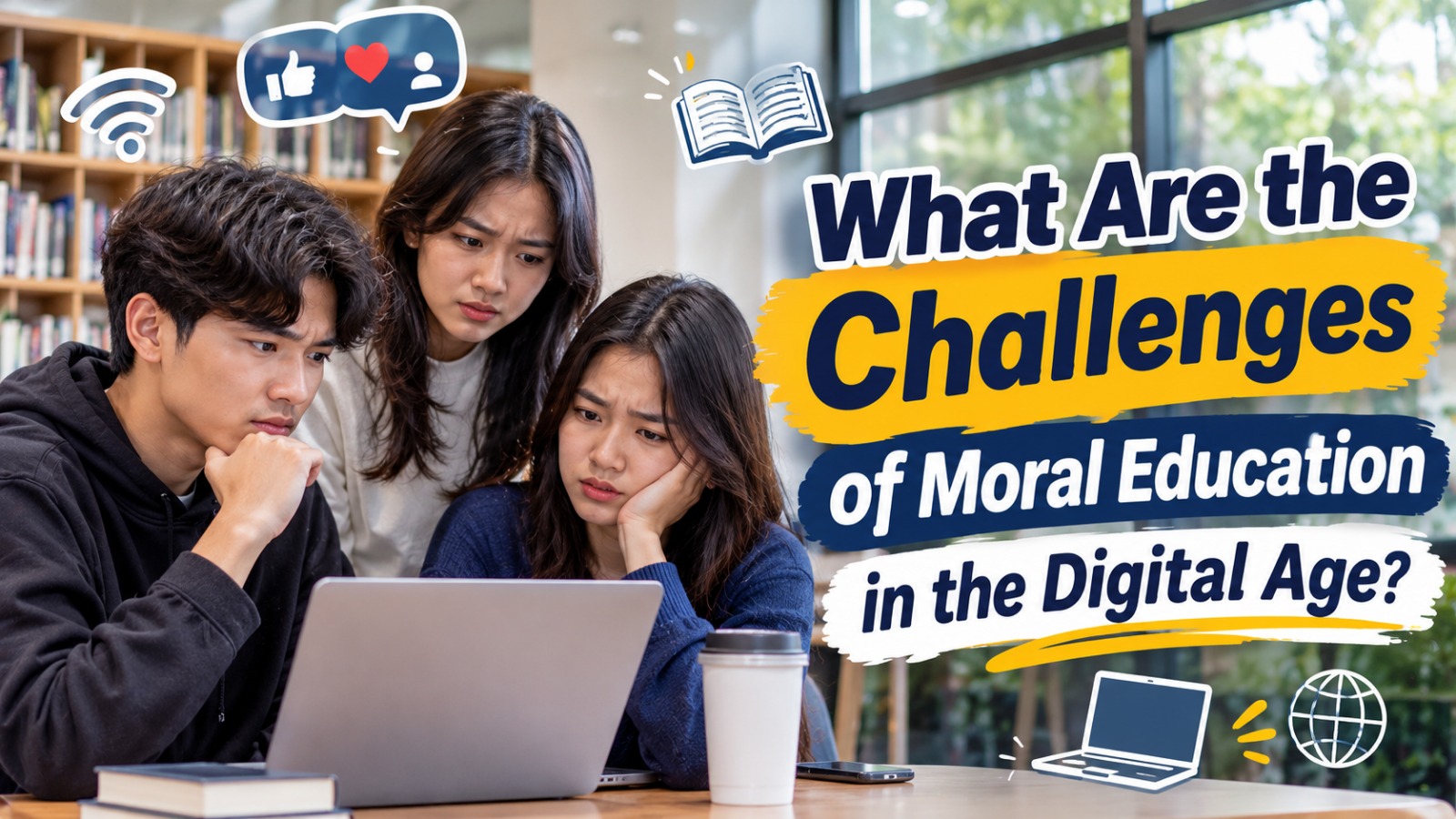
Moral education plays an important role in helping individuals develop good character, responsibility, and positive behavior. In the digital age, technology and social media have changed how people communicate, learn, and interact with others. Although digital platforms provide many opportunities to access information, they also create challenges for teaching and practicing moral values. Young people can easily encounter harmful content, misinformation, cyberbullying, and negative social influences that may affect their attitudes and behavior.
THE INFLUENCE OF SOCIAL MEDIA ON YOUNG PEOPLE
Social media has become part of everyday life, especially for teenagers and young adults. Through these platforms, users can communicate, share opinions, and follow various trends. However, excessive exposure to social media can influence how young people think, behave, and evaluate themselves.
Some online trends promote negative behavior, such as insulting others, spreading rumors, or seeking attention through inappropriate content. Without proper guidance, young people may imitate these behaviors without considering their consequences. Therefore, moral education is necessary to help them use social media wisely and maintain positive values.
THE SPREAD OF MISINFORMATION AND NEGATIVE CONTENT
The internet allows information to spread quickly, but not all content is accurate or beneficial. Young people may encounter fake news, misleading information, hate speech, and inappropriate material while browsing digital platforms. These exposures can influence their opinions and make it difficult to distinguish between responsible and harmful information.
Moral education can help students develop honesty, critical thinking, and responsibility when using digital media. They need to learn how to check information before sharing it and avoid spreading content that could harm others. These habits encourage more ethical behavior in online communities.
CYBERBULLYING AND ONLINE HARASSMENT
Cyberbullying is one of the major challenges of moral education in the digital age. It can happen through insulting comments, threatening messages, spreading embarrassing photos, or deliberately excluding someone from online groups. Unlike traditional bullying, cyberbullying can occur at any time and reach a large audience.
Many young people may not fully understand the emotional consequences of their online actions. They sometimes believe that hurtful comments are harmless because they are made behind a screen. Moral education needs to teach empathy, respect, and responsibility so students understand that online behavior can affect real people's lives.
REDUCED FACE-TO-FACE SOCIAL INTERACTION
Digital technology makes communication easier, but excessive screen time can reduce opportunities for direct social interaction. Young people may spend more time communicating through messages than having conversations in person. As a result, they may have fewer opportunities to practice listening, showing empathy, and understanding other people's emotions.
Face-to-face interaction is important for developing social skills and emotional awareness. Through direct conversations, individuals can learn to recognize expressions, respond appropriately, and respect different perspectives. Schools and families should encourage activities that balance digital communication with meaningful real-life relationships.
LACK OF PARENTAL AND TEACHER SUPERVISION
Parents and teachers have important responsibilities in guiding young people toward positive behavior. However, monitoring digital activities can be challenging because technology changes quickly and students may use platforms that adults do not fully understand. Without sufficient guidance, young people may have difficulty recognizing inappropriate online behavior.
To address this challenge, parents and teachers should communicate openly about digital activities and establish reasonable rules. They should also explain the importance of privacy, respectful communication, and responsible technology use. Consistent guidance helps young people make better decisions when facing digital challenges.
THE INFLUENCE OF DIGITAL CULTURE ON MORAL VALUES
Digital culture can introduce different lifestyles, opinions, and social expectations. While exposure to diverse perspectives can be beneficial, some online content may promote materialism, excessive competition, disrespect, or unrealistic standards of success. Young people may feel pressured to follow these trends to gain popularity or social acceptance.
Moral education helps individuals develop strong personal values so they can evaluate digital influences more carefully. Students should understand that popularity, appearance, and online recognition do not determine a person's worth. By developing self-awareness and integrity, they can make decisions based on positive principles rather than social pressure.
CONCLUSION
Moral education in the digital age faces several challenges, including social media influence, misinformation, cyberbullying, reduced face-to-face interaction, and limited supervision. These problems require cooperation between parents, teachers, schools, and communities. By teaching empathy, honesty, responsibility, and digital ethics, young people can use technology wisely while maintaining positive moral values.
Recent Posts

How Does Technology Make Daily Evaluation... 21.11.2026/57 View

Apa Strategi Menghadapi Kesenjangan antara Kompetensi... 21.11.2026/59 View

Mengapa Inventaris Aset Penting bagi Kelancaran... 21.11.2026/55 View

When Should Musicians Join a Record... 21.11.2026/54 View

Daily Evaluation or Daily Planning Which... 21.11.2026/61 View
