

What Are the Characteristics of People With High Musical Intelligence?
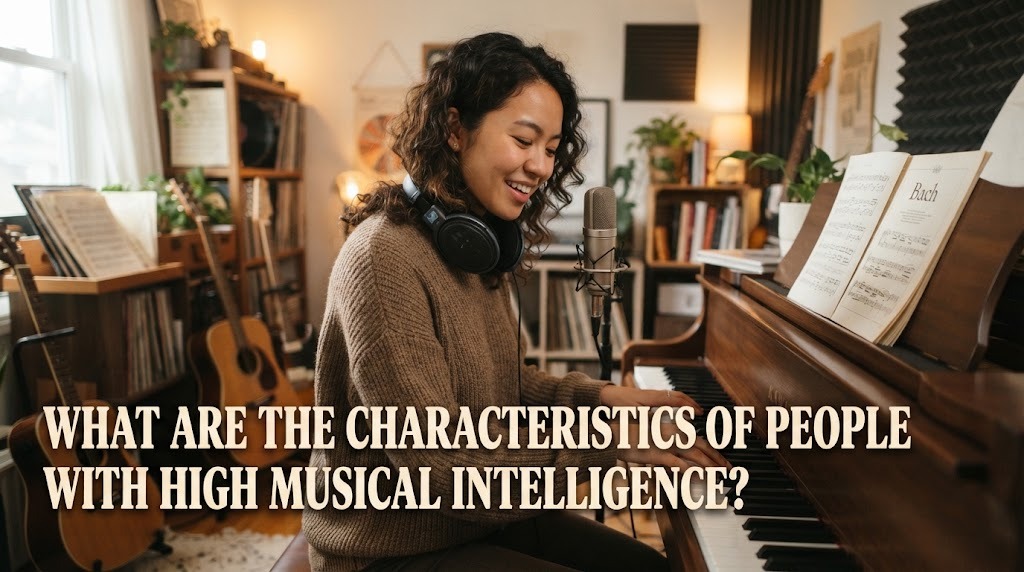
Musical intelligence is the ability to recognize, understand, remember, and create musical patterns. People with high musical intelligence often have a strong connection to music and can notice differences in sounds, rhythms, melodies, and tones. This ability can appear in people who enjoy singing, playing musical instruments, composing songs, or listening carefully to music. However, musical intelligence is not limited to professional musicians because anyone can develop musical skills through practice and experience. Understanding its characteristics can help people recognize their potential and find suitable ways to improve their musical abilities.
WHAT IS MUSICAL INTELLIGENCE?
Musical intelligence is one of the types of intelligence described by psychologist Howard Gardner in his theory of multiple intelligences. It refers to a person's ability to understand and work with musical elements such as rhythm, pitch, melody, tone, and sound patterns. People with this ability may recognize musical differences that others do not easily notice. They may also remember melodies after hearing them only a few times.
Musical intelligence can be expressed in different ways. Some people are good at singing, while others are skilled at playing instruments, composing music, or identifying changes in rhythm. It is important to understand that musical intelligence does not automatically mean someone can perform every musical activity well. Skills can vary depending on experience, training, interest, and opportunities to learn.
A STRONG SENSE OF RHYTHM
One common characteristic of people with high musical intelligence is a strong sense of rhythm. They can often recognize beats and follow musical patterns when listening to songs. Some may naturally tap their feet, clap their hands, or move their bodies in time with music. They may also notice when a beat changes or when an instrument plays outside the expected rhythm.
This ability can help them perform music more accurately. For example, a student learning the drums may find it easier to follow different beat patterns, while a dancer may use rhythm to coordinate movements with music. However, a strong sense of rhythm can also improve through regular practice, listening exercises, and musical activities.
THE ABILITY TO RECOGNIZE DIFFERENT SOUNDS
People with high musical intelligence may be sensitive to differences in pitch, tone, and sound quality. They can sometimes recognize instruments by their sounds or notice when a singer changes pitch. They may also distinguish between similar melodies and identify small changes in musical arrangements. These abilities help them understand how different sounds work together to create a complete musical experience.
Recognizing sounds is useful when learning an instrument, singing, or creating music. For example, someone learning the piano may notice when a note sounds different from the intended pitch. A person with experience in music production may also identify differences between instruments or sound effects. Although some people develop these skills naturally, listening exercises can help others improve their ability to recognize sounds.
A GOOD MEMORY FOR MELODIES
Another characteristic is the ability to remember melodies, rhythms, and musical patterns. People with strong musical abilities may remember a song after hearing it several times or recognize a familiar tune from only a short section. Music can also help them remember certain experiences because melodies and rhythms may become connected to emotions or personal memories.
A good musical memory can support learning and performance. Someone who remembers melodies easily may find it helpful to learn a song by listening repeatedly before reading the musical notation. However, musical memory is different from general memory, and remembering songs easily does not necessarily mean someone will remember every type of information well. Practice, attention, and familiarity with a song can all influence how well a person remembers it.
ENJOYMENT OF SINGING OR PLAYING MUSICAL INSTRUMENTS
Many people with high musical intelligence enjoy singing, playing instruments, or exploring different musical styles. They may spend time learning songs, practicing melodies, experimenting with sounds, or improving their performance. They can also feel motivated to understand how music is created and why certain combinations of sounds produce different effects.
However, enjoying music does not automatically prove that someone has high musical intelligence. Interest is often an important starting point, while musical ability becomes clearer through activities such as recognizing patterns, maintaining rhythm, and learning musical techniques. With consistent practice, people can turn their interest into stronger skills and greater musical understanding.
EMOTIONAL CONNECTION WITH MUSIC
People with strong musical interests may pay close attention to how music expresses emotions. They may recognize how changes in tempo, melody, harmony, or volume can make a song sound joyful, sad, calm, or dramatic. Music may also help them express feelings that are difficult to explain in words. For some people, listening to music becomes a meaningful way to relax, reflect, or connect with personal experiences.
This emotional connection can support musical creativity and interpretation. For example, a singer may change the way a song is performed to communicate its emotional meaning, while a composer may choose particular instruments to create a specific atmosphere. Nevertheless, emotional sensitivity varies from person to person and should not be treated as a requirement for having musical intelligence.
CREATIVITY AND INTEREST IN MAKING MUSIC
Creativity is another characteristic that may appear in people with high musical intelligence. They may enjoy creating melodies, writing lyrics, changing musical arrangements, or combining different sounds. Some can experiment with musical ideas and develop new ways to express a feeling or tell a story through sound.
Musical creativity does not require expensive instruments or professional recording equipment. People can begin by creating simple rhythms, humming melodies, writing song lyrics, or using digital music applications. Regular experimentation can help them discover their personal style and develop their musical understanding. Feedback from teachers, friends, or other musicians can also help them improve their work.
HOW TO DEVELOP MUSICAL INTELLIGENCE
Musical intelligence can be developed through regular and meaningful practice. Listening carefully to different genres of music can help people recognize variations in rhythm, melody, and instruments. Learning to sing or play an instrument can also improve coordination, listening skills, and musical understanding. Beginners should start with manageable activities and gradually increase the difficulty as their abilities improve.
Joining a choir, music club, band, or other musical community can provide opportunities to practice with others. Technology also makes musical learning more accessible through tutorials, recording tools, and applications for rhythm or pitch training. The most important factors are consistent practice, curiosity, and a willingness to learn from mistakes. People should also remember that musical development happens at different speeds, so comparing progress with others is not always helpful.
CONCLUSION
People with high musical intelligence may show characteristics such as a strong sense of rhythm, the ability to recognize different sounds, a good memory for melodies, and an interest in singing or playing instruments. They may also connect emotionally with music and enjoy creating new musical ideas. However, these characteristics can appear in different combinations, and no single trait is enough to determine a person's overall musical ability. Musical intelligence can continue to develop through practice, education, and experience. By exploring musical activities and improving their listening skills, people can better understand their potential and build their musical abilities over time.
Recent Posts

Bagaimana Sistem SKS pada Program Kuliah... 22.11.2026/25 View

How Does Technology Make Daily Evaluation... 21.11.2026/64 View

Apa Strategi Menghadapi Kesenjangan antara Kompetensi... 21.11.2026/65 View

Mengapa Inventaris Aset Penting bagi Kelancaran... 21.11.2026/62 View

When Should Musicians Join a Record... 21.11.2026/61 View
