

What Are the Common Challenges in Managing Campus Bus Services?
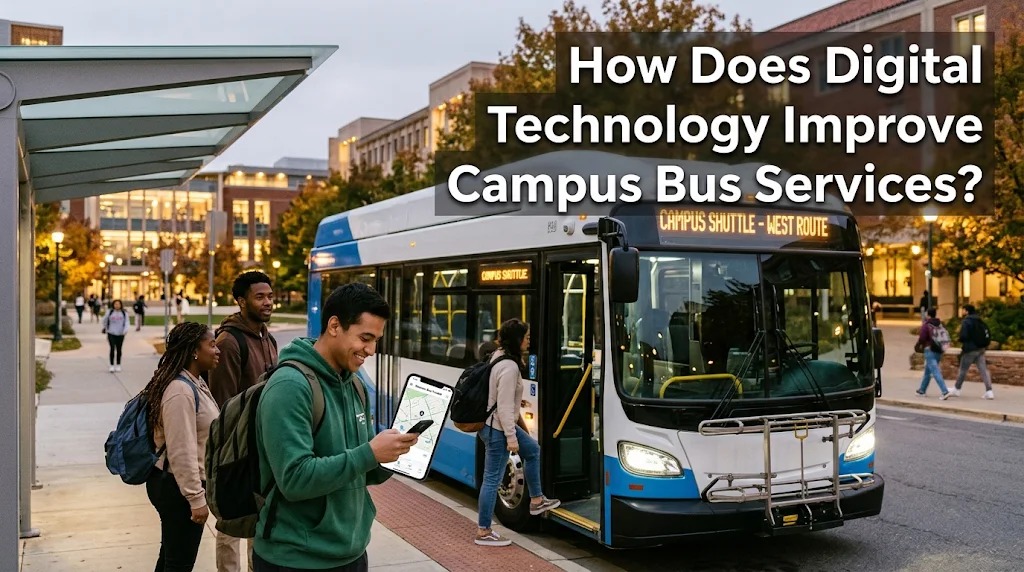
Campus bus services play an important role in helping students, lecturers, and university staff travel between different campus locations. These services provide convenient transportation, reduce the need for private vehicles, and support daily academic activities. However, managing campus bus operations is not always easy because universities must deal with various operational, financial, and technical challenges. Issues such as traffic congestion, vehicle maintenance, limited budgets, passenger demand, and scheduling problems can affect service quality. Understanding these challenges is important for universities to develop better transportation systems and provide reliable services for their campus communities.
LIMITED TRANSPORTATION BUDGETS AND OPERATIONAL COSTS
One of the most common challenges in managing campus bus services is maintaining sufficient financial resources. Universities need to allocate budgets for fuel, driver salaries, vehicle maintenance, insurance, spare parts, and other operational expenses. These costs can increase over time, especially when fuel prices rise or vehicles require major repairs. Institutions with limited transportation budgets may struggle to maintain enough buses to serve all students effectively.
Financial limitations can also affect the quality and availability of transportation services. For example, universities may need to reduce the number of operating buses, limit service hours, or delay vehicle replacements to control expenses. These decisions can increase waiting times and make transportation less convenient for passengers. Therefore, university management needs to prepare realistic budgets and prioritize essential operational needs. Careful financial planning can help ensure that campus bus services remain sustainable and reliable.
VEHICLE MAINTENANCE AND TECHNICAL PROBLEMS
Campus buses operate regularly, so their components can experience wear and damage over time. Problems involving engines, brakes, tires, batteries, air conditioning, and other vehicle systems can interrupt transportation services. If maintenance is not performed properly, minor technical issues may develop into more serious problems. This can lead to unexpected breakdowns, delayed journeys, and additional repair expenses.
Universities need to establish regular vehicle inspection and maintenance procedures to reduce these risks. Drivers should also conduct basic checks before operating their vehicles to identify potential problems early. Transportation managers must maintain accurate maintenance records and ensure that repairs are completed by qualified technicians. In addition, having replacement vehicles available can help prevent service disruptions when a bus needs to be repaired. Proper vehicle maintenance is essential for passenger safety and long-term operational efficiency.
UNPREDICTABLE PASSENGER DEMAND AND SCHEDULING PROBLEMS
Another challenge is managing changes in passenger demand throughout the academic day. The number of students using campus buses can increase significantly before morning classes, during lunch breaks, and after afternoon lectures. During quieter periods, fewer passengers may need transportation, which can make operating every available bus inefficient. Universities must understand these changing patterns to provide an appropriate number of vehicles at the right times.
Scheduling problems may occur when bus departure times do not match students' academic activities. Long waiting times, overcrowded vehicles, and inconsistent arrival times can make passengers dissatisfied with the service. Universities can address these issues by collecting passenger data, reviewing class schedules, and adjusting bus frequency according to demand. They can also introduce additional services during peak hours when necessary. Accurate scheduling helps improve passenger comfort and makes campus transportation more dependable.
TRAFFIC CONGESTION AND LIMITED CAMPUS INFRASTRUCTURE
Traffic congestion can make campus bus operations difficult, particularly at universities located in busy urban areas. Heavy traffic around campus entrances, parking areas, and nearby public roads can cause delays and disrupt planned schedules. During peak hours, buses may take longer to reach their destinations because of the high number of private vehicles, motorcycles, pedestrians, and other road users. These conditions can reduce transportation efficiency and affect students who depend on buses to attend classes on time.
Limited campus infrastructure can create additional difficulties. Narrow roads, insufficient bus stops, inadequate parking spaces, and poorly designed turning areas may restrict bus movement. Universities need to evaluate their transportation infrastructure and identify locations that require improvement. Providing designated bus stops, clear traffic signs, and suitable vehicle access routes can help improve operations. Cooperation with local authorities may also be necessary when campus buses use public roads or experience congestion outside university areas.
DRIVER MANAGEMENT AND PASSENGER SAFETY
Managing drivers is another important responsibility for universities operating campus bus services. Drivers must follow transportation schedules, understand assigned routes, obey traffic regulations, and maintain safe driving practices. However, driver shortages, irregular working hours, fatigue, and insufficient training can affect service quality. If these issues are not addressed, they may increase operational risks and reduce passenger confidence.
Passenger safety must also remain a priority throughout every journey. Universities need to ensure that buses are equipped with appropriate safety features and that drivers understand emergency procedures. Clear boarding rules, properly maintained seats, functioning doors, and safe bus stops can help reduce potential accidents. Transportation managers should also establish procedures for reporting incidents and handling passenger complaints. Regular driver training and safety evaluations can create a more responsible and reliable campus transportation environment.
CONCLUSION
Managing campus bus services involves several challenges, including limited budgets, vehicle maintenance, changing passenger demand, traffic congestion, infrastructure limitations, and driver management. Each challenge can affect transportation efficiency, passenger comfort, and service reliability. Universities can address these problems through effective financial planning, regular vehicle inspections, better scheduling, infrastructure improvements, and consistent safety training. By evaluating operational needs and improving transportation management, universities can provide campus bus services that are safer, more accessible, and more dependable for students and staff.
Recent Posts

Bagaimana Sistem SKS pada Program Kuliah... 22.11.2026/31 View

How Does Technology Make Daily Evaluation... 21.11.2026/67 View

Apa Strategi Menghadapi Kesenjangan antara Kompetensi... 21.11.2026/66 View

Mengapa Inventaris Aset Penting bagi Kelancaran... 21.11.2026/64 View

When Should Musicians Join a Record... 21.11.2026/65 View
