

What Are the Differences Between Organic and Inorganic Waste Management?
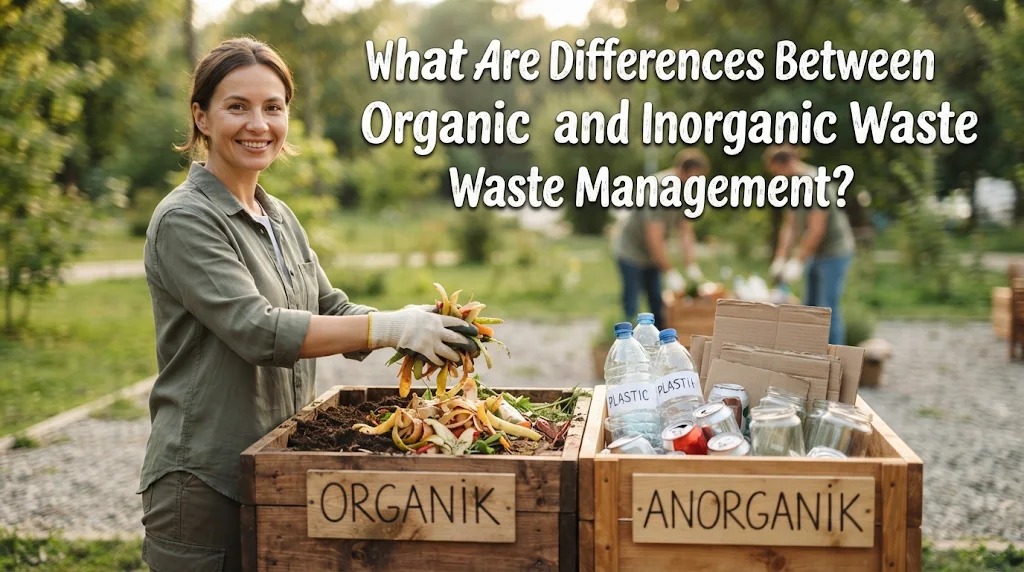
Waste management is an important process for maintaining environmental cleanliness and reducing pollution. Different types of waste require different handling methods because they have different characteristics and environmental impacts. Two common categories are organic and inorganic waste. Organic waste generally comes from plants, animals, and other natural materials, while inorganic waste includes materials such as plastic, glass, and metal. Understanding the differences between organic and inorganic waste management helps individuals and communities handle waste properly, reduce environmental damage, and support sustainable practices.
UNDERSTANDING ORGANIC AND INORGANIC WASTE
Organic waste is waste that comes from natural materials and can generally decompose through biological processes. Common examples include food scraps, vegetable peels, fruit skins, dry leaves, and garden waste. Microorganisms such as bacteria and fungi help break down these materials into simpler substances. When managed properly, organic waste can be processed into useful products such as compost and biogas.
Inorganic waste usually consists of materials that do not decompose easily through natural biological processes. Examples include plastic packaging, glass bottles, metal cans, and certain synthetic materials. Some inorganic materials can remain in the environment for a very long time if they are not handled correctly. However, many of them can be reused or recycled into new products. Therefore, identifying the type of waste is the first step toward choosing the right management method.
DIFFERENCES IN WASTE PROCESSING METHODS
Organic waste is commonly managed through composting, fermentation, and other biological treatment methods. Composting allows microorganisms to break down organic materials into nutrient-rich substances that can improve soil quality. Certain food and agricultural waste can also be processed through anaerobic digestion to produce biogas. These methods help reduce the amount of organic waste sent to landfills while creating useful resources.
In contrast, inorganic waste management focuses more on sorting, reusing, recycling, and safe disposal. Plastic, glass, paper, and metal should be separated according to their material types so they can be processed more effectively. Recycling facilities use different techniques, such as melting glass, processing metal, or converting suitable plastics into new materials. Waste that cannot be recycled should be handled and disposed of according to applicable environmental regulations.
DIFFERENCES IN ENVIRONMENTAL IMPACT
Organic waste can create environmental problems when it is left to accumulate or decomposes without proper management. In landfills, organic materials may produce methane, a greenhouse gas that contributes to climate change. Rotting food waste can also cause unpleasant odors and attract insects or rodents. If organic waste enters waterways, it may contribute to water pollution and affect aquatic ecosystems.
Inorganic waste creates different environmental risks because many materials break down very slowly. Plastic waste can accumulate in rivers, oceans, and soil, harming wildlife and damaging natural habitats. Some materials may also release harmful substances when burned or handled improperly. However, recycling and reusing inorganic waste can reduce the need for new raw materials and help limit pollution. Proper management is therefore essential for both categories.
THE BENEFITS OF PROPER ORGANIC AND INORGANIC WASTE MANAGEMENT
Managing organic waste properly provides several benefits, especially for agriculture and soil health. Compost made from suitable organic materials can improve soil structure and provide nutrients for plants. Biogas production can also turn certain organic waste into a renewable energy source. These practices reduce the volume of waste that needs to be transported and disposed of in landfills.
Proper inorganic waste management helps conserve natural resources and reduce the demand for newly produced materials. Recycling metal, glass, and suitable plastics can save energy and reduce the environmental impact of manufacturing. Reusing containers, repairing products, and choosing recyclable packaging can also reduce the amount of waste generated. When both waste categories are managed effectively, communities can create cleaner surroundings and support a more sustainable environment.
HOW TO SEPARATE AND MANAGE BOTH TYPES OF WASTE
The first step is to provide separate containers for organic and inorganic waste at home, school, or work. Food scraps, fruit peels, and leaves should be placed in the organic waste container. Clean and dry recyclable materials, such as plastic bottles, cardboard, glass, and metal cans, should be collected separately. Keeping recyclable materials clean and dry can improve their quality and make the recycling process easier.
Organic waste can then be sent for composting or other suitable biological treatment. Inorganic materials should be sorted based on their types and delivered to recycling facilities or waste collection programs. Items that contain hazardous substances, such as batteries and certain electronic waste, require special handling rather than being mixed with ordinary household waste. Consistent waste separation also requires cooperation between households, businesses, waste managers, and local authorities. With good habits and proper facilities, waste management becomes more effective and environmentally responsible.
CONCLUSION
Organic and inorganic waste management differs mainly in the materials involved and the methods used to process them. Organic waste is generally treated through composting and biological processes, while inorganic waste is managed through sorting, reuse, recycling, and safe disposal. Both methods help reduce pollution, conserve resources, and maintain environmental cleanliness. By separating waste correctly and choosing appropriate treatment methods, individuals and communities can contribute to a healthier and more sustainable environment.
Recent Posts

How Does Technology Make Daily Evaluation... 21.11.2026/55 View

Apa Strategi Menghadapi Kesenjangan antara Kompetensi... 21.11.2026/57 View

Mengapa Inventaris Aset Penting bagi Kelancaran... 21.11.2026/51 View

When Should Musicians Join a Record... 21.11.2026/52 View

Daily Evaluation or Daily Planning Which... 21.11.2026/59 View
