

What Are the Differences Between the Effects of Broken Homes on Young Children and Teenagers?
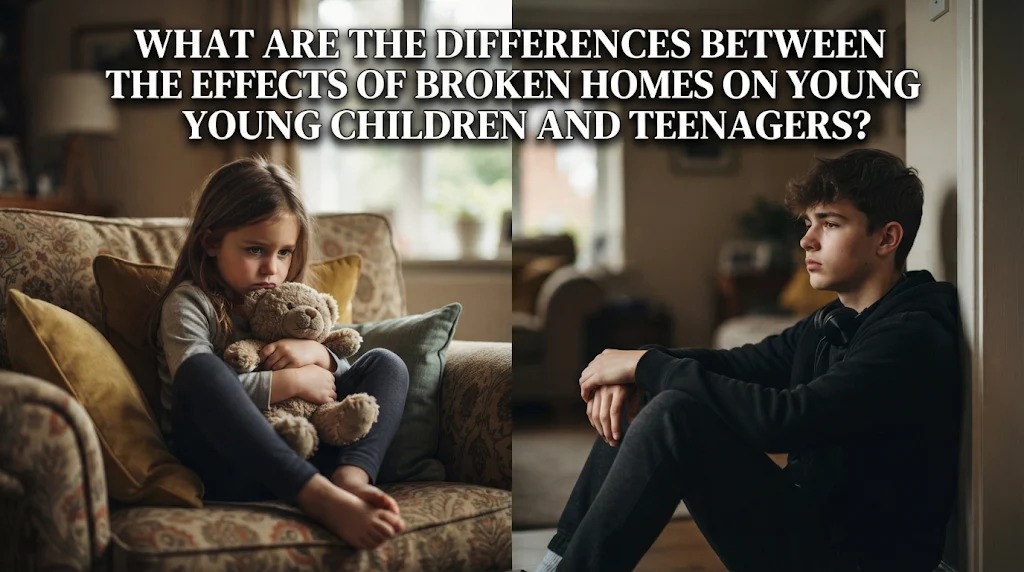
A broken home can have different effects on children depending on their age, emotional development, and ability to understand family problems. Parental divorce, frequent arguments, separation, and a lack of family support can influence children's mental health and behavior. However, young children and teenagers often respond to these situations in different ways because they have different emotional and psychological needs.
Young children may struggle to understand why their parents are no longer living together, while teenagers may understand the situation but experience more complicated emotional reactions. These differences can influence their behavior, relationships, education, and personal development. Understanding how a broken home affects each age group can help parents and caregivers provide appropriate support.
DIFFERENCES IN UNDERSTANDING FAMILY PROBLEMS
Young children generally have a limited understanding of divorce and family conflict. They may not fully understand why their parents separate or why family routines suddenly change. Some children may even believe that they caused their parents' problems because they have difficulty distinguishing adult responsibilities from their own actions. This misunderstanding can create feelings of guilt, sadness, and insecurity.
In contrast, teenagers usually have a better understanding of relationships and family responsibilities. They may recognize the reasons behind their parents' separation, especially if they have witnessed frequent arguments. However, understanding the situation does not mean they can easily accept it emotionally. Some teenagers may feel disappointed, frustrated, or lose trust in their parents because of the changes in their family.
DIFFERENCES IN EMOTIONAL AND PSYCHOLOGICAL EFFECTS
Young children may express emotional difficulties through crying, fear, excessive attachment to parents, or sudden behavioral changes. They might become more dependent on caregivers because they are afraid of being separated from the people they love. Some children may also experience sleeping difficulties, nightmares, or problems controlling their emotions. These reactions can occur because they need security and consistent affection during early development.
Teenagers, on the other hand, may experience more complicated emotional struggles, such as anger, disappointment, anxiety, and loneliness. Some may withdraw from family activities, avoid conversations, or become more sensitive to criticism. Others may express their frustration through rebellious behavior or difficulty managing their emotions. If these experiences are not addressed properly, they may influence teenagers' self-esteem and psychological development.
DIFFERENCES IN SOCIAL RELATIONSHIPS AND FRIENDSHIPS
A broken home can influence how young children interact with friends and people around them. Some children may become shy, less confident, or uncomfortable when participating in social activities. They may also struggle to share their feelings because they do not yet have enough communication skills to explain their experiences. Positive interactions with relatives, teachers, and friends can help them develop a sense of belonging.
Teenagers may experience different challenges when building social relationships. During adolescence, friendships and acceptance from peers often become increasingly important. Family problems may make teenagers more cautious about trusting others or more dependent on their friends for emotional support. Some may also experience difficulties maintaining healthy relationships because their family experiences influence how they understand trust, communication, and commitment.
DIFFERENCES IN EDUCATIONAL PERFORMANCE AND CONCENTRATION
Young children experiencing family conflict may have difficulty concentrating during lessons or participating in classroom activities. They may become easily distracted, lose interest in learning, or show changes in their classroom behavior. Emotional insecurity can also make it harder for them to follow instructions and develop healthy learning habits. Supportive teachers and a consistent learning environment can help them feel more comfortable at school.
For teenagers, family problems may affect academic motivation, concentration, and educational goals. They may struggle to complete assignments, prepare for examinations, or maintain their previous academic performance because of emotional stress. Some teenagers may also become less interested in planning their future or participating in school activities. However, with appropriate guidance and support, they can continue developing their academic abilities despite difficult family circumstances.
DIFFERENCES IN COPING MECHANISMS AND EMOTIONAL NEEDS
Young children usually depend heavily on parents and caregivers to understand and manage difficult emotions. They need simple explanations, physical affection, reassurance, and predictable daily routines. Parents should provide a safe environment where children can express their feelings without fear of being blamed or ignored. Consistent attention can help them understand that family changes do not mean they have lost their parents' love.
Teenagers generally need more opportunities to express their opinions and participate in discussions about changes affecting their lives. They may benefit from emotional support that respects their growing independence while still providing appropriate guidance. Parents should listen without judging, respect their privacy, and avoid forcing them to take sides. Professional counseling may also help teenagers develop healthier coping strategies when family problems create significant emotional difficulties.
LONG-TERM EFFECTS ON PERSONALITY AND DEVELOPMENT
The effects of a broken home may continue into adulthood, but they are not the same for every child. Young children who experience prolonged family conflict without adequate support may develop difficulties with emotional regulation, confidence, and feelings of security. Their early experiences can influence how they understand relationships and manage stress as they grow older. However, a supportive environment can help reduce these difficulties and encourage healthy development.
Teenagers may carry certain emotional experiences into adulthood, particularly when they struggle with trust, self-esteem, or unresolved family conflicts. Some may become afraid of commitment or worry about experiencing similar relationship problems in the future. Nevertheless, growing up in a broken home does not determine someone's personality or future relationships. With healthy guidance, positive social support, and opportunities for personal growth, both young children and teenagers can develop into emotionally healthy adults.
CONCLUSION
The effects of a broken home on young children and teenagers differ because of their emotional development, understanding of family problems, and personal needs. Young children may experience confusion, insecurity, and behavioral changes, while teenagers may struggle with anger, anxiety, social relationships, and academic motivation. Both age groups need consistent emotional support, healthy communication, and a stable environment. Although family separation can create challenges, proper care and guidance can help children of all ages overcome difficult experiences and build a positive future.
Recent Posts

How Does Technology Make Daily Evaluation... 21.11.2026/57 View

Apa Strategi Menghadapi Kesenjangan antara Kompetensi... 21.11.2026/59 View

Mengapa Inventaris Aset Penting bagi Kelancaran... 21.11.2026/54 View

When Should Musicians Join a Record... 21.11.2026/54 View

Daily Evaluation or Daily Planning Which... 21.11.2026/61 View
