

What Are the Differences Between Traditional Learning and Technology-Based Education?
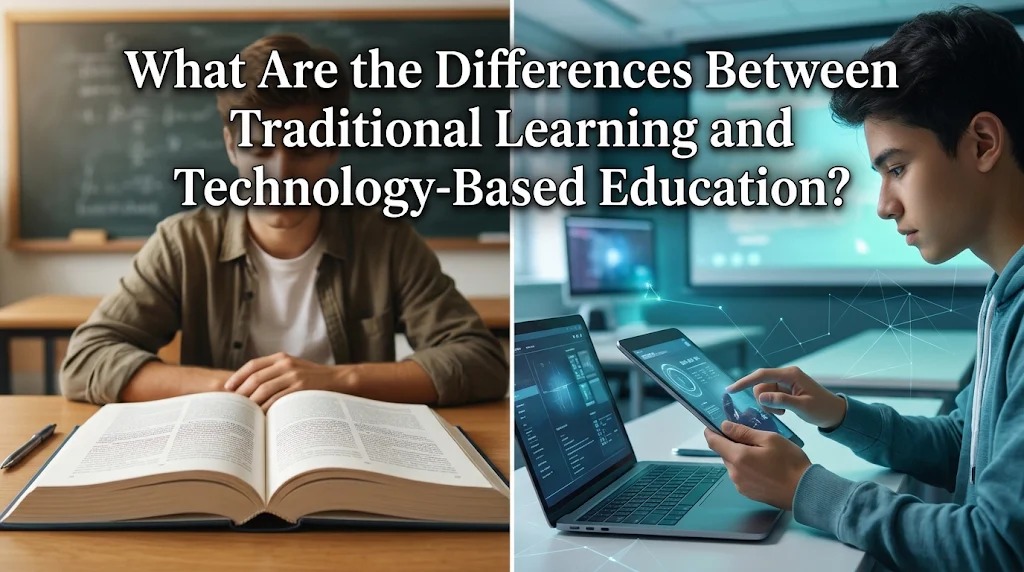
Education continues to develop as technology becomes an increasingly important part of everyday life. Traditional learning, which mainly involves face-to-face interaction between teachers and students, has long been the foundation of educational systems. However, the development of computers, internet connections, and digital learning platforms has introduced new ways to deliver educational materials. Technology-based education now provides students with more flexible opportunities to access information and participate in learning activities.
Although both approaches aim to improve students' knowledge and abilities, they have different characteristics, advantages, and limitations. Traditional learning emphasizes direct classroom interaction, while technology-based education uses digital tools to support teaching and learning processes. Understanding these differences can help schools, teachers, parents, and students choose appropriate learning methods according to their needs. Combining both approaches can also create a more effective and balanced educational experience.
LEARNING METHODS AND CLASSROOM ACTIVITIES
Traditional learning generally takes place in physical classrooms where teachers explain lessons directly to students. Students usually receive information through textbooks, classroom presentations, discussions, and written assignments. This approach allows teachers to observe students' reactions and provide immediate explanations when they experience difficulties. Face-to-face activities also encourage students to participate in classroom discussions and develop communication skills through direct interaction.
In contrast, technology-based education uses digital devices and online platforms to deliver learning materials. Students can access electronic books, educational videos, interactive presentations, and online assignments through computers or smartphones. Teachers can also organize virtual discussions and use digital applications to explain complicated subjects. This approach provides more learning alternatives and allows students to explore educational materials beyond traditional classroom activities.
FLEXIBILITY AND ACCESS TO EDUCATIONAL RESOURCES
One of the main differences between traditional learning and technology-based education is the flexibility of accessing learning materials. Traditional education usually follows fixed schedules and requires students to attend classes at specific locations. Students who miss a lesson may need to obtain explanations from teachers or classmates to understand the material they have missed. Although this structure supports regular learning routines, it can be less flexible for individuals with different schedules or geographical limitations.
Technology-based education offers greater flexibility because students can access learning resources through the internet. Some platforms provide recorded lessons, downloadable materials, and online exercises that can be accessed at different times. Students can review difficult topics repeatedly and study according to their individual learning speeds. However, this flexibility depends on internet access, suitable digital devices, and the availability of reliable educational platforms.
TEACHER AND STUDENT INTERACTION
Direct interaction is one of the strongest characteristics of traditional learning. Teachers can communicate with students face-to-face, observe their participation, and respond to questions immediately. Students can also develop social relationships through classroom discussions, group activities, and direct collaboration. These interactions help strengthen communication, teamwork, empathy, and other important social abilities.
In technology-based education, communication often takes place through video conferences, discussion forums, messaging applications, and collaborative digital platforms. These tools allow teachers and students to communicate even when they are in different locations. However, online communication may sometimes reduce personal interaction because participants cannot always observe body language or respond naturally to classroom situations. Therefore, maintaining meaningful communication remains important when implementing digital learning environments.
LEARNING EFFECTIVENESS AND STUDENT PARTICIPATION
Traditional learning provides a structured environment that can help students maintain concentration and follow classroom instructions. Teachers can adjust their explanations based on students' reactions and use direct questioning to evaluate understanding. Practical activities, laboratory experiments, and classroom demonstrations can also provide valuable experiences that are difficult to replace with digital materials alone. However, learning effectiveness still depends on teaching quality, classroom conditions, and student participation.
Technology-based education offers interactive features that can make learning more engaging. Educational games, animations, simulations, and digital quizzes allow students to explore subjects through different learning experiences. Some platforms also provide immediate feedback, helping students recognize mistakes and improve their understanding. Nevertheless, excessive use of digital devices may cause distractions, reduce concentration, or encourage students to focus on completing activities without fully understanding the material.
LEARNING COSTS AND REQUIRED FACILITIES
Traditional learning requires educational facilities such as classrooms, desks, textbooks, libraries, and other physical learning resources. Schools also need to provide transportation access, electricity, and appropriate teaching equipment. Although these requirements involve operational expenses, students generally do not need advanced digital devices to participate in basic classroom activities. However, additional costs may arise from printed materials, transportation, uniforms, and other educational needs.
Technology-based education requires different types of investment. Students may need smartphones, laptops, tablets, stable internet connections, and suitable software to participate in online activities. Schools also need to prepare digital infrastructure, maintain learning platforms, and provide technical assistance. Some online resources are available for free, but certain courses and applications require subscriptions or additional payments. Therefore, educational costs can vary depending on the technology used and the facilities available to students.
ADVANTAGES AND LIMITATIONS OF EACH LEARNING APPROACH
Traditional learning offers several advantages, particularly in developing direct communication, social interaction, classroom discipline, and practical learning experiences. Teachers can provide personal guidance and identify students who need additional assistance. However, this approach may have limitations in terms of learning flexibility, geographical accessibility, and the variety of educational resources available during classroom activities.
Technology-based education provides broader access to information, flexible learning schedules, and opportunities to develop digital skills. It can also support independent learning and introduce students to modern technological applications. Despite these benefits, it depends heavily on internet availability, digital literacy, and adequate technological infrastructure. For this reason, blended learning, which combines face-to-face instruction with digital technology, can become a useful approach to balancing the advantages of both educational methods.
CONCLUSION
Traditional learning and technology-based education have different characteristics in terms of teaching methods, flexibility, interaction, learning resources, and technological requirements. Traditional learning emphasizes direct communication and structured classroom activities, while technology-based education provides broader access to information and more flexible learning opportunities. Both approaches have advantages and limitations that should be considered when developing effective educational systems.
Rather than completely replacing traditional learning, digital technology can be used to strengthen existing teaching methods. Schools can combine classroom discussions, practical activities, online materials, and interactive applications according to students' needs. Through an appropriate combination of both approaches, education can become more accessible, engaging, and effective while preparing students to adapt to future technological developments.
Recent Posts

Bagaimana Sistem SKS pada Program Kuliah... 22.11.2026/33 View

How Does Technology Make Daily Evaluation... 21.11.2026/67 View

Apa Strategi Menghadapi Kesenjangan antara Kompetensi... 21.11.2026/67 View

Mengapa Inventaris Aset Penting bagi Kelancaran... 21.11.2026/65 View

When Should Musicians Join a Record... 21.11.2026/66 View
