

What Are The Duties And Responsibilities Of Employees During Business Trips?
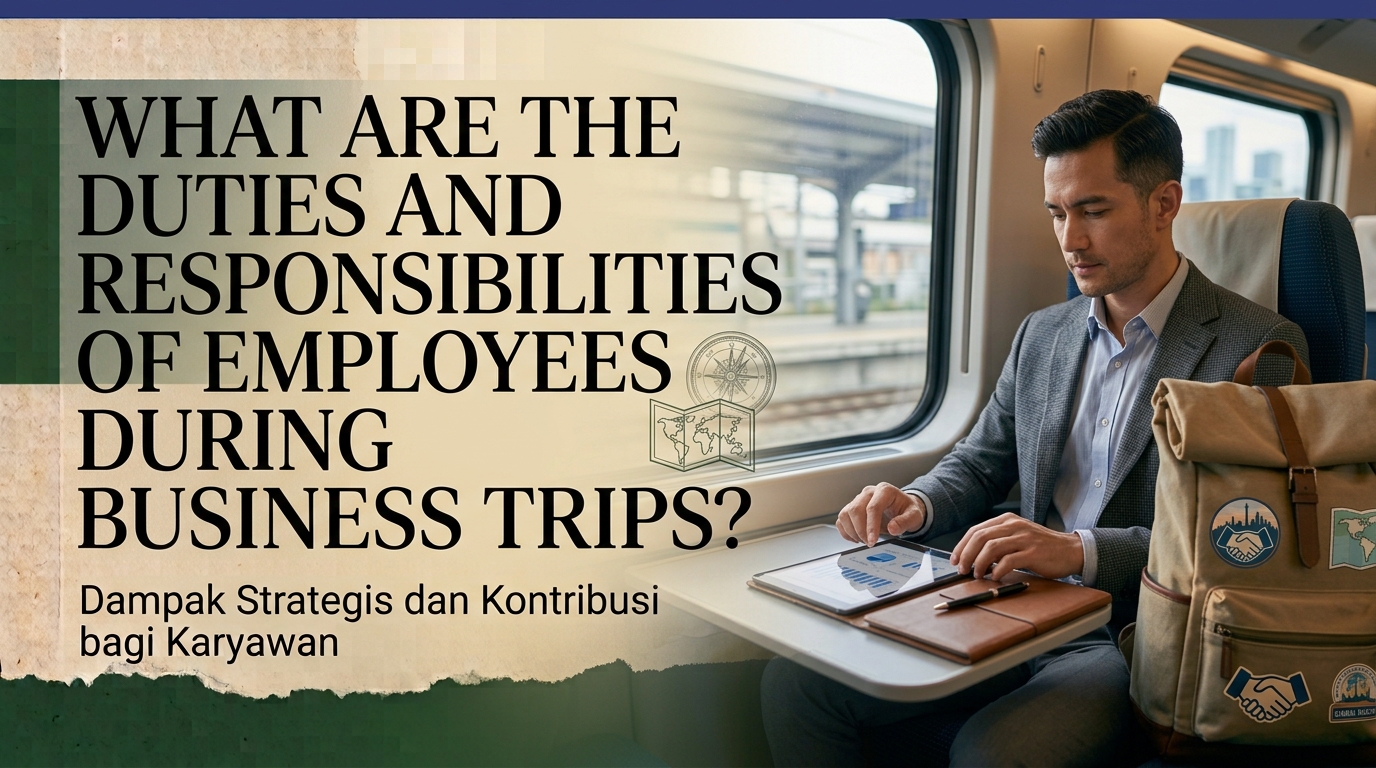
Business trips are an important part of many companies because they allow employees to meet clients, attend meetings, visit business partners, and complete tasks outside their usual workplace. During these trips, employees are expected to represent their company professionally and achieve the objectives assigned to them. Their responsibilities include preparing for activities, managing time, following company policies, and communicating with relevant people. They must also take care of company documents, equipment, and travel expenses. Understanding these duties helps employees complete business trips effectively while maintaining the company's reputation.
PREPARING FOR THE BUSINESS TRIP
Employees are responsible for preparing everything they need before departure. They should review the travel schedule, meeting agenda, destination details, and tasks assigned by their supervisors. Important documents, such as identification, tickets, hotel reservations, reports, and presentation materials, should be checked in advance. Employees must also ensure that their laptops, mobile phones, chargers, and other work equipment are ready to use. Proper preparation reduces the risk of delays and helps employees perform their duties confidently.
Employees should also understand the purpose of the trip and the results expected by the company. If they are unsure about their responsibilities, they should ask their supervisors for clarification before leaving. They may need to prepare questions, review client information, or collect relevant business data. Checking these details early allows employees to focus on important activities during the journey. Clear preparation helps ensure that every business trip has a defined direction and purpose.
FOLLOWING THE BUSINESS SCHEDULE
Employees must manage their time carefully throughout the business trip. They should attend meetings on time, follow the agreed itinerary, and allow enough time to travel between locations. Being punctual shows respect for clients, colleagues, and business partners. Employees should also avoid unnecessary activities that could interfere with their assigned responsibilities. Good time management helps employees complete their tasks efficiently and maintain a professional image.
Sometimes, transportation delays or unexpected changes may affect the schedule. Employees should inform their supervisors or meeting participants as soon as possible when a delay occurs. They should also adjust their plans responsibly and confirm any new arrangements. Keeping important contact details accessible can make communication easier during unexpected situations. Flexibility and timely communication help employees manage schedule changes without creating unnecessary confusion.
REPRESENTING THE COMPANY PROFESSIONALLY
During a business trip, employees represent their company's values, services, and reputation. They should communicate politely, dress appropriately for professional activities, and treat clients and colleagues with respect. Their behavior should reflect the company's standards both during formal meetings and in other work-related situations. Employees should avoid actions that could damage business relationships or create a negative impression. Professional conduct helps build trust and strengthens the company's public image.
Employees should also respect cultural differences when meeting people from other regions or countries. They should listen carefully, use appropriate language, and remain open to different business practices. When discussing company products, services, or policies, they must provide accurate information and avoid making promises they are not authorized to make. If a question requires a decision beyond their authority, they should consult the appropriate manager. Honesty, respect, and responsible communication are essential parts of professional representation.
COMPLETING ASSIGNED BUSINESS TASKS
The main responsibility of employees during a business trip is to complete the tasks assigned by their company. These tasks may include meeting customers, negotiating agreements, attending training, inspecting facilities, or collecting market information. Employees should focus on the objectives established before departure and use their time productively. They should also record important findings, decisions, and follow-up actions during meetings or visits. Completing assigned tasks ensures that the trip contributes to the company's business goals.
If an employee encounters a problem that prevents a task from being completed, the issue should be reported promptly. They should explain the situation clearly and, when possible, suggest practical solutions. Employees must not hide important problems or report results that are inaccurate. They should also seek approval before making significant decisions outside their assigned authority. Accountability and accurate reporting help the company respond to challenges and make informed decisions.
MANAGING TRAVEL EXPENSES RESPONSIBLY
Employees are responsible for using company travel funds according to the organization's policies. Approved expenses may include transportation, accommodation, meals, and other necessary business costs. They should understand the spending limits and approval procedures before making purchases. Personal expenses should be kept separate from business expenses to avoid confusion. Responsible spending helps protect company resources and maintain financial transparency.
Employees should keep receipts, invoices, and other required payment records throughout the trip. They may need to submit an expense report after returning to the office, following the company's deadlines and procedures. Any unusual or unexpected expense should be explained honestly and supported with appropriate documentation. Employees must not claim personal purchases as business costs or submit inaccurate reports. Accurate expense records support proper reimbursement and responsible financial management.
PROTECTING COMPANY DOCUMENTS AND EQUIPMENT
Business trips often require employees to carry confidential documents, electronic devices, and important company information. They must keep these items secure during transportation, meetings, and hotel stays. Laptops and mobile phones should be protected with appropriate security measures, such as strong passwords and screen locks. Employees should also avoid leaving sensitive documents unattended in public places. Protecting company property reduces the risk of loss, theft, and unauthorized access.
Employees must follow company rules when storing, accessing, or sharing business information. Confidential files should only be shared with authorized people through approved communication channels. They should be careful when using public Wi-Fi and avoid opening sensitive information on unsecured devices. If equipment is lost or information may have been exposed, employees should report the incident immediately according to company procedures. Information security is a shared responsibility that helps protect the company's operations and reputation.
MAINTAINING COMMUNICATION WITH THE OFFICE
Employees should keep their supervisors informed about important developments during the business trip. They may need to provide updates about meeting progress, completed activities, schedule changes, or unexpected problems. Regular communication helps managers understand the situation and provide support when necessary. Employees should use the company's approved communication methods and respond to urgent messages when reasonably possible. Consistent communication keeps business activities coordinated even when employees are away from the office.
Employees should also coordinate with colleagues who are handling their regular duties during their absence. Before departure, they should explain important deadlines, ongoing tasks, and the person responsible for urgent matters. During the trip, they should share relevant updates without neglecting their main assignments. This coordination helps prevent misunderstandings and delays in daily operations. Effective teamwork ensures that responsibilities continue to be managed across the company.
FOLLOWING COMPANY POLICIES AND SAFETY RULES
Employees must follow the company's travel policies throughout the journey. These rules may cover approved transportation, accommodation standards, spending limits, work conduct, and reimbursement procedures. Employees should ask their supervisors or the relevant department if any policy is unclear. They must also comply with applicable laws and local regulations at their destination. Following established rules helps prevent avoidable problems and supports responsible business travel.
Personal safety is another important responsibility. Employees should use reliable transportation, secure their belongings, and remain aware of their surroundings. They should know how to contact their company in an emergency and follow any relevant safety instructions. Employees should also get enough rest and take reasonable care of their health so they can perform their work effectively. Responsible safety practices help protect employees while allowing them to focus on business objectives.
PREPARING REPORTS AFTER THE TRIP
Employee responsibilities continue after the business trip ends. They should prepare a report that summarizes the activities completed, important findings, meetings attended, and results achieved. The report may also include expenses, problems encountered, and recommendations for future action. Employees should follow the company's reporting format and submission deadline. A clear business trip report helps the company evaluate the value of the journey.
Employees should also complete any follow-up tasks identified during meetings or visits. These may include sending proposals, contacting clients, sharing documents, or coordinating the next steps with colleagues. Important information gained during the trip should be shared with the relevant team when appropriate. Managers can then use the findings to make decisions and improve future activities. Timely follow-up turns business trip outcomes into practical actions and long-term benefits.
CONCLUSION
Employees have several important duties during business trips, including preparing travel documents, managing schedules, completing assigned tasks, representing the company professionally, and controlling expenses responsibly. They must also protect company information, maintain communication with colleagues, and follow safety rules and organizational policies. After the trip, they should submit accurate reports and complete necessary follow-up activities. These responsibilities help ensure that business travel remains productive, safe, and well organized. By acting professionally and remaining accountable, employees can support company goals and build stronger business relationships.
Recent Posts

Bagaimana Sistem SKS pada Program Kuliah... 22.11.2026/56 View

How Does Technology Make Daily Evaluation... 21.11.2026/86 View

Apa Strategi Menghadapi Kesenjangan antara Kompetensi... 21.11.2026/84 View

Mengapa Inventaris Aset Penting bagi Kelancaran... 21.11.2026/82 View

When Should Musicians Join a Record... 21.11.2026/86 View
