

What Are the Effects of a Broken Home on Children's Mental and Emotional Health?
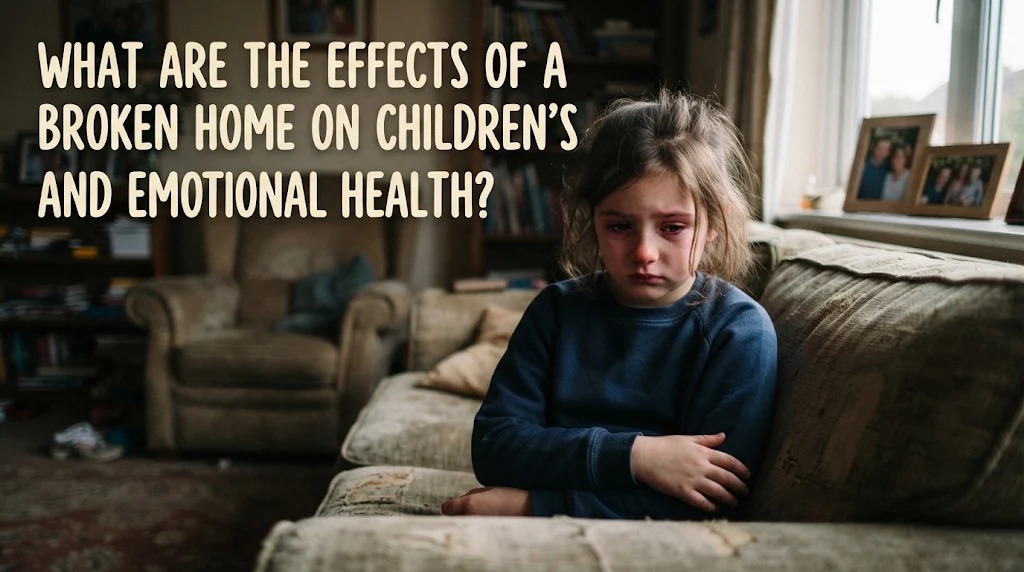
A broken home is a family situation in which parents experience separation, divorce, ongoing conflict, or other problems that affect family relationships. This situation can have a significant impact on children's mental and emotional health, especially when they do not receive enough attention, affection, and support from their parents. Every child may respond differently depending on their age, personality, family environment, and available support system.
Growing up in a broken home does not mean that children will always experience emotional difficulties or have an unhappy future. However, understanding its possible effects is important so parents and caregivers can provide the right support and help children develop in a healthy environment.
EMOTIONAL INSTABILITY IN CHILDREN
One of the most common effects of a broken home is emotional instability. Children may experience sadness, anger, disappointment, fear, and confusion when their parents separate or frequently argue. They may struggle to understand why their family situation has changed, especially when they are still too young to understand adult problems. These feelings can make it difficult for children to express their emotions in a healthy way.
Some children may become more sensitive, easily upset, or withdrawn from people around them. Others may show their emotional struggles through aggressive behavior or frequent mood changes. Without proper guidance and emotional support, these experiences may affect their daily activities and relationships with others.
LOW SELF-ESTEEM AND LACK OF CONFIDENCE
Children who grow up in a broken home may develop low self-esteem because they sometimes believe that their family problems are their fault. They may feel unwanted, unimportant, or different from children who live with both parents. These thoughts can gradually affect how they view themselves and their abilities.
A lack of confidence may also make children afraid to express their opinions, try new things, or build relationships. They might constantly seek approval from others because they do not receive enough emotional reassurance at home. Parents and caregivers should remind children that family problems are not their responsibility and that they deserve love, respect, and attention.
ANXIETY, STRESS, AND FEELINGS OF INSECURITY
Living in a family environment filled with conflict can cause children to experience anxiety and stress. They may constantly worry about their parents, future living arrangements, financial conditions, or the possibility of losing contact with a loved one. Uncertainty about what will happen next can make them feel unsafe and emotionally exhausted.
In some situations, children may experience sleeping difficulties, excessive worrying, trouble concentrating, or physical complaints such as headaches and stomachaches. These reactions can become more serious when children do not have someone they trust to talk to. Providing a stable daily routine, honest communication, and reassurance can help reduce their anxiety and create a greater sense of security.
DIFFICULTIES IN BUILDING SOCIAL RELATIONSHIPS
A broken home can also influence how children interact with friends, teachers, and other people. Children who experience emotional distress may find it difficult to trust others or feel comfortable sharing their personal problems. Some may prefer spending time alone because they are afraid of being judged or rejected.
Furthermore, children may develop unhealthy relationship patterns if they frequently witness arguments, poor communication, or a lack of respect between family members. They may struggle to understand how healthy relationships should work. However, positive friendships, supportive teachers, and healthy interactions with relatives can help children develop better communication skills and build meaningful connections.
DECLINING ACADEMIC PERFORMANCE AND CONCENTRATION
Family problems can affect children's ability to focus on school activities. When children spend a lot of time thinking about conflicts at home, they may find it difficult to concentrate during lessons, complete assignments, or prepare for examinations. Emotional pressure can also reduce their motivation to learn and participate in classroom activities.
Some children may experience declining grades, frequent absences, or a loss of interest in school. However, these difficulties do not mean that children from broken homes have lower intellectual abilities. Teachers and parents can help by providing encouragement, maintaining communication, and creating a supportive learning environment that allows children to feel comfortable discussing their difficulties.
HOW TO SUPPORT CHILDREN FROM BROKEN HOMES
Supporting children from broken homes requires patience, understanding, and consistent attention from the adults around them. Parents should avoid involving children in conflicts, blaming them for family problems, or forcing them to choose between their mother and father. Instead, they should explain family changes honestly using language appropriate to the child's age.
Children also need opportunities to express their feelings without fear of being criticized. Parents can spend quality time with them, listen to their concerns, and maintain consistent routines to create a sense of stability. If children show prolonged sadness, severe anxiety, behavioral changes, or difficulties with daily activities, professional support from a psychologist or counselor may be helpful.
CONCLUSION
A broken home can affect children's mental and emotional health in several ways, including emotional instability, low self-esteem, anxiety, social difficulties, and declining academic performance. However, these effects are not experienced by every child and do not determine their future. With proper emotional support, healthy communication, and a stable environment, children can learn to manage difficult experiences and develop positive relationships. The most important thing is to ensure that children continue receiving love, attention, protection, and understanding despite changes in their family situation.
Recent Posts

How Does Technology Make Daily Evaluation... 21.11.2026/57 View

Apa Strategi Menghadapi Kesenjangan antara Kompetensi... 21.11.2026/59 View

Mengapa Inventaris Aset Penting bagi Kelancaran... 21.11.2026/55 View

When Should Musicians Join a Record... 21.11.2026/54 View

Daily Evaluation or Daily Planning Which... 21.11.2026/61 View
