

What Are the Effects of Changing Times on the Education System?
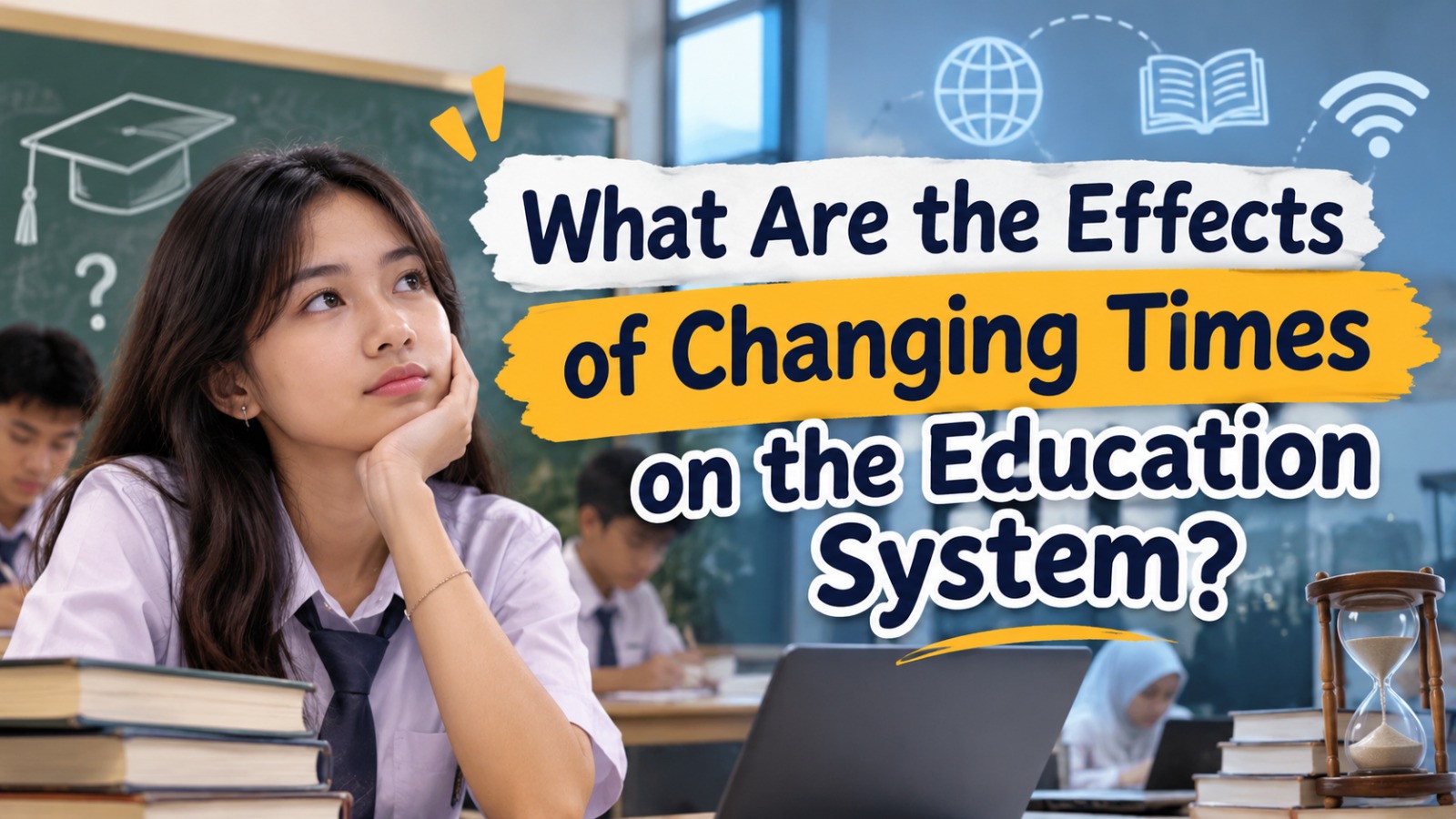
Changing times have significantly influenced the education system in many parts of the world. Technological development, social changes, and evolving workforce demands have encouraged schools, universities, teachers, and students to adjust their approaches to learning. Traditional classroom activities are now supported by digital platforms, online resources, and interactive learning tools. These developments provide new opportunities to improve educational quality and accessibility. However, they also introduce challenges related to technology access, learning motivation, and educational equality. Understanding these effects is important to ensure that education continues to meet the needs of modern society.
THE TRANSFORMATION OF TRADITIONAL LEARNING METHODS
One of the most noticeable effects of changing times on education is the transformation of learning methods. In the past, teaching activities mainly depended on textbooks, printed materials, and direct explanations from teachers. Students generally received information through classroom lessons and completed assignments using traditional learning resources. Today, educational institutions increasingly combine conventional teaching with digital technology to create more flexible learning experiences.
The use of digital learning platforms, educational videos, online presentations, and interactive applications allows students to explore different subjects more independently. Teachers can also provide learning materials through digital platforms, making information easier to access outside classroom hours. Although traditional learning remains important, combining it with modern methods can create a more engaging and effective educational environment.
THE INCREASING ROLE OF TECHNOLOGY IN EDUCATION
Technology has become an important part of modern education. The internet allows students to access various learning resources, including electronic books, academic articles, online courses, and educational videos. This development makes learning materials available to students regardless of their geographical locations. As a result, education is no longer completely dependent on physical classrooms or printed textbooks.
Furthermore, technologies such as artificial intelligence can support educational activities by helping students understand difficult topics, organize information, and receive additional explanations. Teachers can use digital tools to prepare materials, evaluate assignments, and communicate with students. However, technology should function as a learning support rather than a complete replacement for teachers. Digital literacy, responsible internet use, and critical thinking are necessary to ensure that students benefit from technological development without becoming overly dependent on digital tools.
CHANGES IN TEACHING METHODS AND THE ROLE OF TEACHERS
Changing times have also influenced the responsibilities and teaching methods of educators. Teachers are no longer expected to function only as sources of information because students can access knowledge through many digital resources. Instead, teachers increasingly act as facilitators, mentors, and learning guides who help students understand information, develop practical abilities, and solve problems.
Modern teaching methods often encourage classroom discussions, group projects, presentations, and problem-based learning. These activities allow students to participate more actively instead of simply memorizing information. Teachers also need to improve their professional abilities by learning how to use educational technology and applying suitable teaching strategies. By combining subject knowledge with modern teaching approaches, educators can create learning experiences that are more relevant to students' needs.
THE DEVELOPMENT OF STUDENT SKILLS AND LEARNING OPPORTUNITIES
Modern education places greater attention on developing skills that students need in their personal and professional lives. Academic knowledge remains important, but students are also encouraged to improve communication, creativity, collaboration, and problem-solving abilities. These skills help them understand different situations and prepare for challenges in the future workplace.
Changing times also provide students with more opportunities to develop their interests and abilities. Online courses, virtual training programs, educational communities, and international learning resources allow individuals to study subjects beyond their school or university curriculum. Students can learn foreign languages, programming, business management, and other practical skills independently. However, they must develop self-discipline and time management to use these opportunities effectively and avoid distractions from excessive digital entertainment.
CHALLENGES AND INEQUALITY IN THE MODERN EDUCATION SYSTEM
Despite providing many benefits, changes in education also create several challenges. One major problem is the digital divide, which refers to differences in access to technological devices, internet connections, and digital learning resources. Students living in remote areas or families with limited financial resources may experience difficulties participating in technology-based learning activities. This situation can create unequal educational opportunities between different communities.
Another challenge involves maintaining students' concentration and motivation. Online learning provides flexibility, but some students may struggle to manage their schedules without direct supervision. Excessive screen time can also cause fatigue and reduce opportunities for physical activities and direct social interaction. Therefore, educational institutions need to establish balanced learning systems that combine technology with appropriate guidance, classroom interaction, and equal access to educational resources.
THE FUTURE OF EDUCATION IN A RAPIDLY CHANGING WORLD
The future of education will continue to develop alongside technological innovation and changing social needs. Educational institutions need to create learning systems that prepare students to face new challenges rather than focusing only on memorizing information. Greater attention should be given to practical knowledge, digital competence, creativity, and the ability to adapt to different situations.
In addition, cooperation between schools, universities, governments, families, and communities is essential to improve educational quality. Governments should support educational infrastructure, provide access to learning technology, and improve teacher training. Meanwhile, students should develop a habit of lifelong learning because knowledge and professional requirements will continue to change. Flexible education, equal opportunities, and continuous skill development can help create a stronger education system that benefits future generations.
CONCLUSION
Changing times have brought significant effects on the education system, including improvements in learning methods, greater access to information, technological integration, and the development of modern skills. Teachers and students now have more opportunities to explore knowledge through digital platforms and interactive learning activities. However, challenges such as unequal technology access, reduced concentration, and differences in learning abilities must receive serious attention.
To achieve better educational outcomes, schools and universities need to balance traditional teaching principles with modern innovations. Students must also become independent learners who are willing to improve their abilities and adapt to new developments. Ultimately, education must continue evolving to prepare individuals for future opportunities and challenges while ensuring that every student has access to quality learning.
Recent Posts

How Does Technology Make Daily Evaluation... 21.11.2026/57 View

Apa Strategi Menghadapi Kesenjangan antara Kompetensi... 21.11.2026/59 View

Mengapa Inventaris Aset Penting bagi Kelancaran... 21.11.2026/55 View

When Should Musicians Join a Record... 21.11.2026/54 View

Daily Evaluation or Daily Planning Which... 21.11.2026/61 View
