

What Are the Effects of Cyberbullying on Victims?
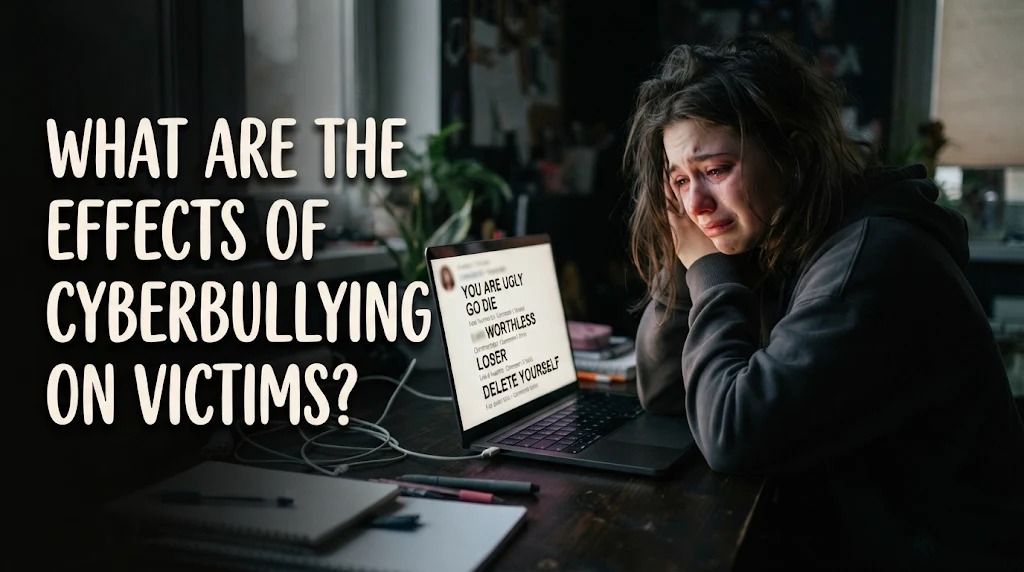
Cyberbullying is a form of harassment that happens through digital platforms, including social media, messaging applications, online games, and internet forums. It can involve insulting messages, threatening comments, spreading embarrassing information, sharing private images without permission, or repeatedly targeting someone online. Unlike some forms of offline bullying, cyberbullying can reach victims at almost any time and may spread quickly to a large audience.
The effects can be serious because harmful online interactions may influence how victims think, feel, behave, and interact with other people. Some individuals experience temporary emotional distress, while others face longer-lasting difficulties that affect their education, work, relationships, and daily routines. Understanding these effects is important for recognizing when someone needs support and taking steps to prevent further harm.
EMOTIONAL DISTRESS AND FEELINGS OF SADNESS
One of the most common effects of cyberbullying is emotional distress. Repeated insults, humiliation, and hostile messages can make victims feel hurt, disappointed, embarrassed, or overwhelmed. Even when the harassment happens through a screen, the emotional impact can feel very real.
Victims may also experience persistent sadness, frustration, or emotional exhaustion. They might struggle to forget hurtful comments, especially when other people share or react to them. When negative experiences continue without adequate support, emotional distress may become more difficult to manage.
LOWER SELF-CONFIDENCE AND SELF-ESTEEM
Cyberbullying can gradually damage a person's confidence. Repeated criticism about appearance, personality, achievements, or personal circumstances may cause victims to question their own value. They may begin believing negative statements even when those comments are inaccurate or intentionally hurtful.
This loss of confidence can influence everyday decisions. Some victims become hesitant to share their opinions, participate in social activities, or express themselves online. They may also compare themselves with others more frequently and become overly concerned about how people perceive them.
ANXIETY AND FEAR OF ONLINE INTERACTIONS
Victims of cyberbullying may develop anxiety when using the internet or interacting with other people. Notifications, messages, comments, or unfamiliar accounts can become sources of stress because victims may expect another unpleasant interaction. This can make ordinary digital activities feel uncomfortable.
In some situations, victims may constantly check their accounts to see whether new negative messages have appeared. Others may avoid opening certain applications or become afraid of posting photographs and expressing opinions. When anxiety becomes persistent or interferes with daily functioning, professional support may be helpful.
SOCIAL ISOLATION AND LONELINESS
Cyberbullying can make victims feel isolated, particularly when harassment happens in a school, workplace, or online community where they interact with people regularly. They may worry that others are laughing at them, judging them, or sharing rumors about their situation. These concerns can make it harder to trust friends and maintain social relationships.
Some victims respond by withdrawing from group conversations, avoiding social activities, or limiting contact with classmates and colleagues. Although isolation may temporarily reduce exposure to negative interactions, it can also reduce access to emotional support. Maintaining connections with trusted people is therefore important during difficult experiences.
DECLINING ACADEMIC OR WORK PERFORMANCE
The emotional pressure caused by cyberbullying can interfere with concentration and productivity. Students may find it difficult to focus on lessons, complete assignments, or participate in classroom activities. Employees may experience similar difficulties when online harassment affects their confidence or sense of security.
Repeated stress can also disrupt motivation and make everyday responsibilities feel more demanding. In some cases, victims may avoid school, work, or activities connected to the people involved in the harassment. Support from teachers, supervisors, family members, or other trusted individuals can help address these difficulties.
SLEEP DISTURBANCES AND PHYSICAL COMPLAINTS
Cyberbullying does not only affect emotional well-being. Stress and anxiety can also influence physical health and daily routines. Some victims may have difficulty falling asleep because they keep thinking about hurtful messages, worrying about future interactions, or checking their phones late at night.
Other possible complaints include headaches, fatigue, muscle tension, and changes in appetite. These symptoms can have different causes, so they should not automatically be attributed to cyberbullying. However, persistent physical discomfort deserves attention, especially when it occurs alongside emotional distress.
FEAR OF JUDGMENT AND DAMAGE TO PERSONAL REPUTATION
Online harassment can spread beyond the original conversation, especially when embarrassing content or false information is shared publicly. Victims may worry that friends, classmates, coworkers, or strangers will believe misleading claims about them. This fear can affect their confidence in social and professional environments.
Even when harmful content is deleted, screenshots or copies may continue circulating. As a result, victims may feel that they have lost control over their personal image. Addressing false information, reporting abusive content, and seeking help from trusted people can be important steps toward managing the situation.
LONG-TERM EFFECTS ON MENTAL WELL-BEING
For some individuals, repeated or severe cyberbullying can contribute to longer-lasting psychological difficulties. These may include persistent anxiety, depressive symptoms, difficulty trusting others, and ongoing fear of social judgment. The likelihood and severity of these effects vary depending on the individual, the nature of the harassment, and the support available.
It is important not to assume that every victim will develop a mental health condition. However, significant changes in mood, behavior, sleep, or daily functioning should be taken seriously. A qualified mental health professional can help assess the situation and provide appropriate support.
HOW VICTIMS CAN PROTECT THEMSELVES FROM CYBERBULLYING
Responding to cyberbullying can be difficult, especially when the harassment is repeated or involves several people. Victims should not be expected to solve the problem entirely on their own. Practical steps can help reduce exposure, preserve evidence, and make it easier to seek assistance.
Some useful actions include:
- Save evidence: Keep screenshots, message records, usernames, dates, and links related to the harassment.
- Block abusive accounts: Use platform features to limit contact with people who repeatedly send harmful messages.
- Report harmful content: Notify the platform about harassment, threats, impersonation, or content shared without permission.
- Protect personal information: Review privacy settings and avoid sharing sensitive details publicly.
- Talk to trusted people: Seek support from parents, friends, teachers, supervisors, or other responsible individuals.
- Seek professional help: Contact a qualified counselor or mental health professional if emotional distress becomes difficult to manage.
If cyberbullying includes credible threats, stalking, extortion, or the distribution of intimate images without consent, victims should seek appropriate assistance promptly. They should not confront dangerous individuals alone.
CONCLUSION
Cyberbullying can affect victims emotionally, psychologically, socially, academically, professionally, and physically. Its consequences may include sadness, anxiety, reduced self-confidence, isolation, sleep difficulties, and declining performance in daily activities. The impact varies from person to person, but repeated harassment should never be dismissed as harmless online behavior.
Preventing further harm requires support from families, schools, workplaces, digital platforms, and communities. Victims should be encouraged to preserve evidence, report abusive behavior, establish digital boundaries, and seek help when needed. A safe online environment begins with responsible communication and respect for other people's dignity.
Recent Posts

Bagaimana Sistem SKS pada Program Kuliah... 22.11.2026/27 View

How Does Technology Make Daily Evaluation... 21.11.2026/65 View

Apa Strategi Menghadapi Kesenjangan antara Kompetensi... 21.11.2026/65 View

Mengapa Inventaris Aset Penting bagi Kelancaran... 21.11.2026/62 View

When Should Musicians Join a Record... 21.11.2026/63 View
