

What Are the Effects of Fake Identity Fraud on Personal Data Security?
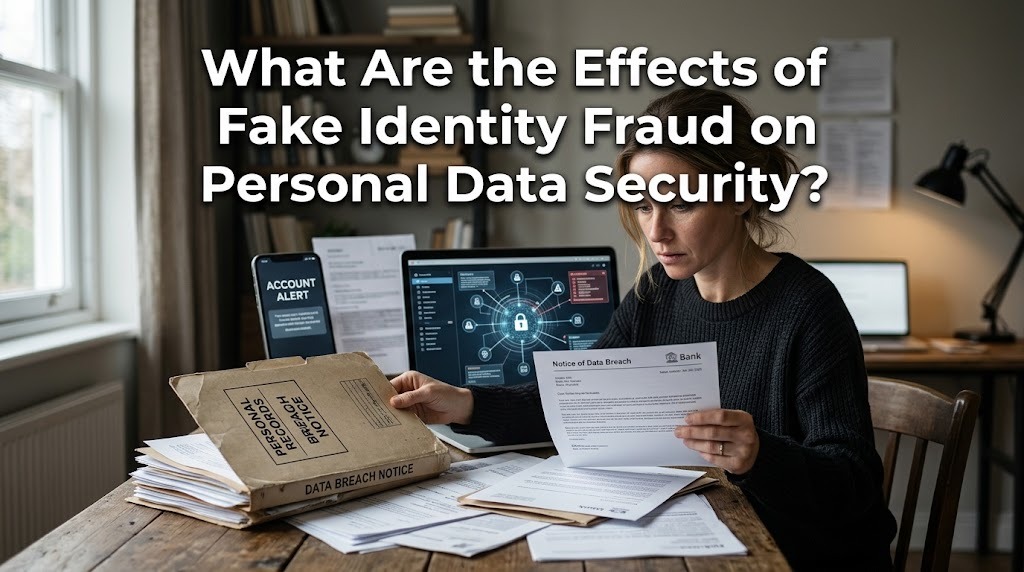
Fake identity fraud is a form of deception in which someone uses false, stolen, or manipulated personal information to pretend to be another person. This activity can threaten personal data security because criminals may collect, access, or misuse sensitive information without permission. Personal data includes names, addresses, identification numbers, phone numbers, email addresses, financial details, and account credentials. When this information falls into the wrong hands, it can be used for various fraudulent activities. As more people depend on digital services, protecting personal information has become increasingly important.
Fake identity fraud does not always begin with stealing large amounts of information. In some cases, criminals collect small details from social media accounts, online forms, or conversations with potential victims. These details can later be combined to create a convincing false identity. As a result, people may not realize that their personal information has been misused until suspicious activities appear on their accounts. Understanding this connection helps individuals recognize the importance of maintaining strong personal data protection.
UNAUTHORIZED ACCESS TO PERSONAL ACCOUNTS
One of the most common effects of fake identity fraud is unauthorized access to personal accounts. Criminals may use stolen information to impersonate account owners and attempt to enter email accounts, social media platforms, or financial services. If security systems cannot properly verify the actual user, sensitive information may become accessible to unauthorized individuals. This can expose private conversations, saved documents, contact lists, and financial records. Once criminals gain access, they may also change account settings or lock legitimate owners out of their accounts.
Unauthorized account access can create additional security problems because one compromised account may be connected to several other services. For example, criminals who control an email account may attempt to reset passwords for other platforms. This situation can increase the risk of further identity misuse and financial fraud. Therefore, using strong passwords, enabling multi-factor authentication, and checking unusual login notifications are important steps to protect personal accounts.
PERSONAL DATA THEFT AND INFORMATION MISUSE
Fake identity fraud can also lead to personal data theft, especially when criminals collect information without the owner's knowledge or consent. They may use stolen identification documents, photographs, addresses, or other personal details to create fraudulent accounts. In some cases, criminals combine genuine information with invented details to make a fake identity appear more convincing. This can make it difficult for victims to recognize that their information has been misused. Personal data theft may also happen through phishing messages, fake websites, and misleading online services.
The misuse of personal information can have long-term consequences. Criminals may use stolen data to impersonate victims, contact their friends or family, or submit unauthorized applications. Personal photographs and contact information may also be distributed or used to deceive other people. Even after the original incident has been reported, victims may need time to secure their accounts and correct inaccurate records. This is why personal information should only be shared with trusted individuals and verified organizations.
FINANCIAL LOSSES AND DAMAGE TO PERSONAL REPUTATION
Fake identity fraud can threaten financial security when criminals use another person's information to conduct unauthorized transactions or apply for financial services. Victims may discover unfamiliar purchases, suspicious account activities, or financial applications made without their permission. These incidents can create difficulties when resolving disputes and proving that certain transactions were not authorized. In some situations, victims may also experience problems with financial records or services connected to their identities.
Besides financial consequences, identity fraud can damage a person's reputation. Criminals may use stolen identities to send misleading messages, conduct scams, or engage in activities that make victims appear responsible for something they never did. Friends, customers, business partners, or other individuals may mistakenly associate the victim with fraudulent behavior. Restoring trust can take considerable time, especially when false information has already spread online. Therefore, protecting personal data is important not only for financial safety but also for maintaining a good personal and professional reputation.
WAYS TO PROTECT PERSONAL DATA FROM FAKE IDENTITY FRAUD
Preventing fake identity fraud requires consistent attention to digital security and personal information management. Individuals should avoid sharing sensitive details through suspicious links, unknown messages, or unverified websites. Strong and unique passwords should be used for important accounts, especially email and financial services. Enabling multi-factor authentication can provide an additional layer of protection when someone attempts to access an account. People should also review account activity regularly to identify unusual logins or transactions.
Another important step is verifying the identity of individuals and organizations before sharing confidential information. Avoid uploading identification documents unless the service is legitimate and the information is genuinely required. Limit the amount of personal information displayed on public social media profiles because criminals can use these details to create convincing impersonations. If identity misuse is suspected, contact the relevant service provider, secure affected accounts, and report the incident to the appropriate authorities. These preventive measures can help reduce exposure to identity fraud and strengthen personal data security.
CONCLUSION
Fake identity fraud can seriously affect personal data security through unauthorized account access, personal information theft, financial losses, and reputational damage. Criminals can misuse stolen or manipulated information to impersonate individuals and conduct various fraudulent activities. These risks become more concerning as digital communication and online transactions continue to grow. Protecting personal information through strong passwords, multi-factor authentication, careful data sharing, and identity verification can reduce these threats. Staying alert to suspicious activities is essential for maintaining personal privacy and digital security.
Recent Posts

Bagaimana Sistem SKS pada Program Kuliah... 22.11.2026/37 View

How Does Technology Make Daily Evaluation... 21.11.2026/70 View

Apa Strategi Menghadapi Kesenjangan antara Kompetensi... 21.11.2026/73 View

Mengapa Inventaris Aset Penting bagi Kelancaran... 21.11.2026/68 View

When Should Musicians Join a Record... 21.11.2026/71 View
