

What Are the Effects of Negative Environments on Personality Development?
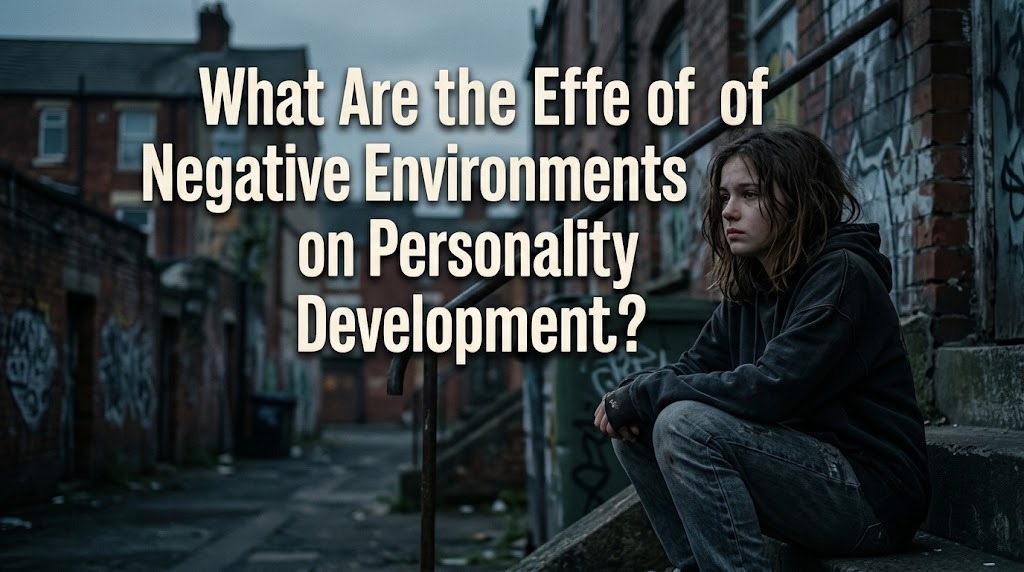
The environment plays an important role in shaping how individuals think, feel, and behave. From childhood to adulthood, people are influenced by their families, schools, friendships, workplaces, and communities. A positive environment can encourage confidence, responsibility, empathy, and emotional stability. However, a negative environment may create challenges that affect personality development and the way individuals interact with others.
Negative environments can include situations involving constant conflict, bullying, discrimination, excessive criticism, neglect, and a lack of emotional support. When individuals experience these conditions repeatedly, they may develop negative attitudes, unhealthy habits, or difficulties managing their emotions. Although the effects can vary from person to person, understanding how negative environments influence personality development is important for creating healthier surroundings and supporting personal growth.
WHAT IS A NEGATIVE ENVIRONMENT IN PERSONALITY DEVELOPMENT?
A negative environment refers to a surrounding situation that repeatedly exposes individuals to unhealthy interactions, harmful behaviors, or a lack of support. It can occur in different places, including homes, schools, workplaces, and social communities. Examples include families with frequent arguments, schools where bullying is common, and social groups that encourage disrespectful or irresponsible behavior.
These experiences can influence how individuals understand themselves and other people. Someone who frequently receives criticism may begin to doubt their abilities, while someone who regularly experiences aggression may become more defensive when interacting with others. Negative environments do not affect everyone in the same way, but repeated exposure to unhealthy conditions can create difficulties in developing positive personality traits.
HOW DOES A NEGATIVE ENVIRONMENT AFFECT SELF-CONFIDENCE?
A negative environment can reduce self-confidence, especially when individuals frequently experience rejection, humiliation, or excessive criticism. When children or young people are constantly told that they are incapable or unsuccessful, they may begin to believe these negative messages. As a result, they might become afraid of making mistakes, expressing opinions, or trying new activities.
Low self-confidence can also affect decision-making and social interactions. Individuals may depend too much on other people's approval because they do not feel confident about their own abilities. They may also avoid opportunities that could help them grow because they are afraid of failure. Providing encouragement, appreciation, and constructive feedback can help individuals rebuild confidence and recognize their personal strengths.
CAN A NEGATIVE FAMILY ENVIRONMENT CHANGE A PERSON'S PERSONALITY?
The family environment has a strong influence on personality development because it is usually the first place where individuals learn about relationships, communication, and social behavior. Frequent arguments, emotional neglect, harsh treatment, and a lack of affection can make children feel unsafe or unappreciated. These experiences may influence how they express emotions, build relationships, and respond to stressful situations.
Some individuals who grow up in unhealthy family environments may become withdrawn, overly cautious, defensive, or sensitive to criticism. Others may have difficulties trusting people or expressing their feelings openly. However, these outcomes are not inevitable because personality is also influenced by education, friendships, personal experiences, and supportive relationships outside the family. A healthy support system can help individuals develop more positive ways of thinking and behaving.
HOW DOES BULLYING INFLUENCE PERSONALITY DEVELOPMENT?
Bullying is one example of a negative social experience that can affect personality development, particularly when it happens repeatedly. It can involve physical aggression, verbal insults, social exclusion, intimidation, or harmful behavior through digital platforms. Individuals who experience bullying may feel embarrassed, isolated, or afraid of interacting with other people.
Repeated bullying can also affect self-esteem and emotional security. Some individuals may become less confident, avoid social activities, or struggle to trust their peers. In certain situations, they may develop defensive behaviors because they feel the need to protect themselves from further harm. Creating a safe environment, encouraging open communication, and providing appropriate support are important steps in preventing bullying and reducing its negative effects.
WHAT ARE THE EFFECTS OF NEGATIVE ENVIRONMENTS ON EMOTIONAL DEVELOPMENT?
Negative environments can make emotional development more difficult because individuals may not receive enough support to understand and manage their feelings. Frequent conflict, rejection, and stressful interactions can create feelings of sadness, anger, frustration, or insecurity. When these experiences continue without proper support, some individuals may struggle to express their emotions in healthy ways.
Emotional difficulties can also influence everyday behavior and relationships. For example, someone who frequently experiences criticism may become highly sensitive to negative feedback. Another individual may find it difficult to control anger when facing disagreements. Learning emotional regulation, receiving encouragement, and having access to trusted people can help individuals develop healthier ways to manage difficult feelings.
HOW DOES A NEGATIVE SOCIAL ENVIRONMENT INFLUENCE BEHAVIOR?
A negative social environment can influence behavior through repeated exposure to unhealthy habits and attitudes. Individuals may begin to imitate the behavior of people around them, especially when those behaviors are treated as normal within their social groups. For example, spending time in an environment where dishonesty, aggression, or disrespect is common may make it harder to develop positive social habits.
Peer pressure can also encourage individuals to make decisions that do not reflect their personal values. Some young people may participate in harmful activities because they want to be accepted by their friends. Over time, these experiences can influence their attitudes, habits, and relationships. Choosing supportive friendships and developing the ability to make independent decisions can help protect individuals from negative social influences.
CAN A NEGATIVE ENVIRONMENT AFFECT COMMUNICATION AND SOCIAL SKILLS?
A negative environment can affect how individuals communicate and interact with other people. People who frequently experience harsh words, rejection, or aggressive communication may become uncomfortable expressing their thoughts and feelings. Some may avoid conversations, while others may respond defensively because they expect criticism or conflict.
These experiences can also make it difficult to establish healthy relationships. Individuals may struggle to trust others, listen to different opinions, or resolve disagreements calmly. However, communication skills can improve through positive social experiences and consistent practice. Participating in supportive communities, learning to express opinions respectfully, and developing active listening skills can help individuals build healthier relationships.
WHAT FACTORS CAN HELP REDUCE THE EFFECTS OF A NEGATIVE ENVIRONMENT?
Several factors can help individuals overcome the challenges associated with negative environments. One important factor is having supportive relationships with trusted family members, teachers, friends, or mentors. These people can provide encouragement, guidance, and a sense of security when individuals face difficult experiences.
Another important factor is developing self-awareness and healthy coping strategies. Individuals can learn to recognize negative patterns, manage stress, establish personal boundaries, and make decisions that support their well-being. Education and positive social activities can also provide opportunities to develop confidence and new skills. When difficulties significantly affect daily life, seeking help from a qualified professional may also be beneficial.
HOW CAN INDIVIDUALS BUILD A POSITIVE ENVIRONMENT FOR PERSONALITY DEVELOPMENT?
Building a positive environment starts with creating healthy relationships based on respect, understanding, and mutual support. Individuals can begin by spending time with people who encourage personal growth and demonstrate positive behavior. Avoiding unnecessary conflicts and setting boundaries with people who repeatedly behave harmfully can also help create a healthier social atmosphere.
Families, schools, and communities also have responsibilities in supporting positive personality development. Parents should provide affection and appropriate guidance, while teachers should create learning environments that encourage cooperation and respect. Communities can support personal growth through educational activities, social programs, and opportunities for meaningful interaction. Through these efforts, individuals can develop confidence, emotional stability, responsibility, and healthier social behavior.
CONCLUSION
Negative environments can influence personality development by affecting self-confidence, emotional stability, communication skills, social behavior, and the ability to build healthy relationships. Experiences such as bullying, family conflict, excessive criticism, discrimination, and a lack of support may create challenges that influence how individuals understand themselves and interact with others.
However, negative experiences do not permanently determine someone's personality or future. Supportive relationships, positive environments, self-awareness, education, and healthy coping strategies can help individuals overcome difficulties and develop better personal qualities. Therefore, creating safe, respectful, and supportive surroundings is essential for encouraging positive personality development at every stage of life.
Recent Posts

Bagaimana Sistem SKS pada Program Kuliah... 22.11.2026/45 View

How Does Technology Make Daily Evaluation... 21.11.2026/73 View

Apa Strategi Menghadapi Kesenjangan antara Kompetensi... 21.11.2026/75 View

Mengapa Inventaris Aset Penting bagi Kelancaran... 21.11.2026/71 View

When Should Musicians Join a Record... 21.11.2026/75 View
