

What Are the Effects of Poor Self Presentation on Social Relationships and Career Development?
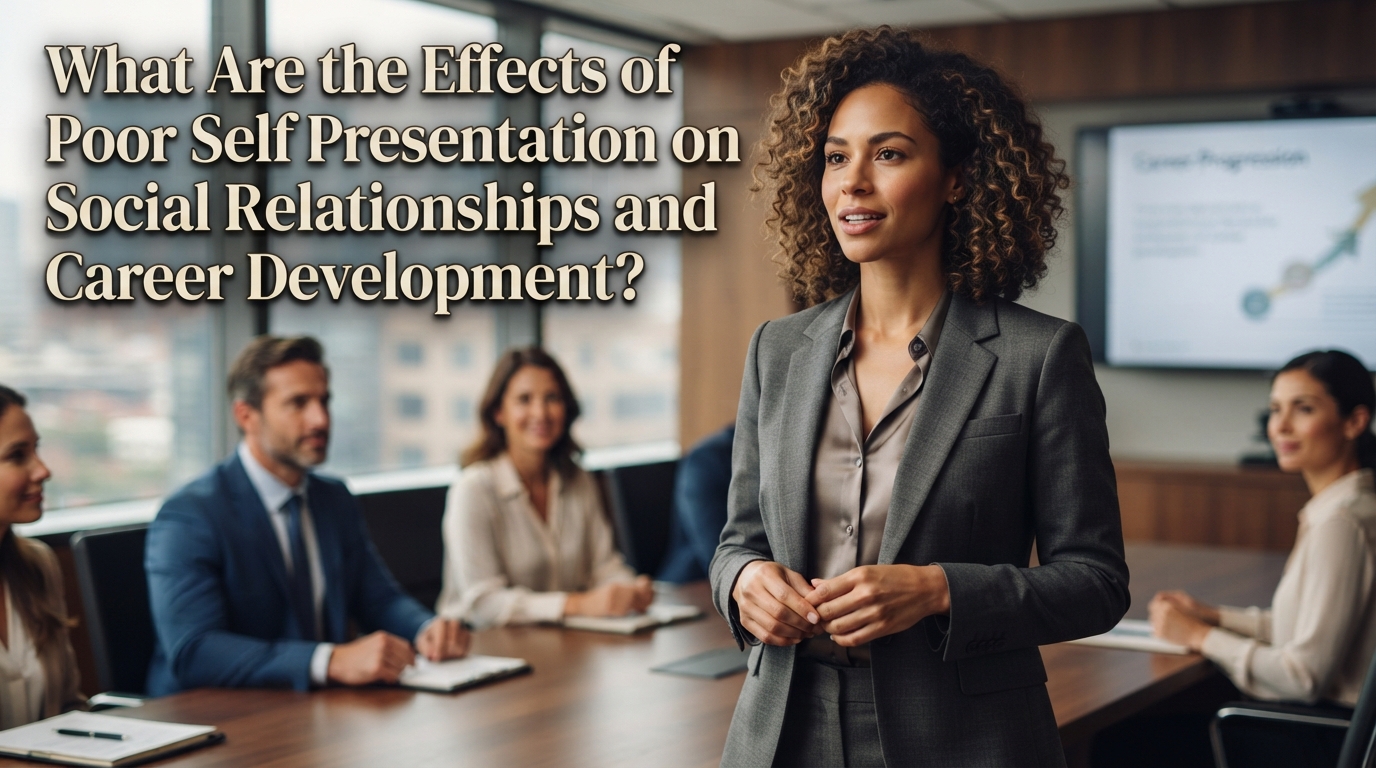
Self-presentation is the way individuals communicate their identity through appearance, attitudes, behavior, and communication. It influences how other people perceive and respond to them in everyday situations. A positive self-presentation can help build trust, strengthen relationships, and create professional opportunities. On the other hand, poor self-presentation may lead to misunderstandings, negative impressions, and difficulties in personal and professional interactions.
Poor self-presentation does not always mean wearing inappropriate clothes or having an untidy appearance. It can also involve disrespectful communication, a lack of confidence, irresponsible behavior, and difficulty adapting to different situations. Understanding its effects is important because the way people present themselves can influence their social connections and career development.
REDUCING TRUST IN SOCIAL RELATIONSHIPS
Trust is an important foundation of healthy relationships. When someone frequently behaves disrespectfully, communicates dishonestly, or fails to keep promises, other people may find it difficult to trust them. Poor self-presentation can create doubts about a person's intentions and reliability. As a result, friends, classmates, or colleagues may become less comfortable sharing information or working closely with that individual.
Trust takes time to develop, but negative behavior can damage it quickly. For example, frequently arriving late, ignoring other people's opinions, or making inappropriate comments may create an impression of carelessness. Consistent respect, honesty, and responsibility are essential for maintaining trust in social relationships. Without these qualities, building strong and lasting connections can become more difficult.
CREATING NEGATIVE FIRST IMPRESSIONS
First impressions often influence how people approach someone they have just met. An untidy appearance, unfriendly expressions, or inappropriate communication may create an unfavorable impression. Although these characteristics do not always represent someone's true personality, others may use them to form initial opinions. This can make future interactions less comfortable, especially in unfamiliar social environments.
A negative first impression does not necessarily last forever, but correcting it may require time and consistent effort. People may need to demonstrate better attitudes and behavior before others develop a more positive perception of them. A respectful attitude, appropriate appearance, and confident communication can help create a more positive first impression. Paying attention to these details makes social interactions easier and more welcoming.
CAUSING COMMUNICATION PROBLEMS AND MISUNDERSTANDINGS
Poor self-presentation can affect the way people communicate with others. Speaking too aggressively, interrupting conversations, using inappropriate language, or failing to listen may cause misunderstandings. These habits can make other people feel ignored or disrespected. Over time, communication problems may lead to arguments and weaken relationships.
Good communication requires more than simply expressing personal opinions. Individuals also need to understand the situation, respect different perspectives, and choose appropriate words. Active listening and clear communication help prevent unnecessary conflicts. By improving these habits, people can build healthier interactions in friendships, academic environments, and workplaces.
LIMITING NETWORKING AND SOCIAL OPPORTUNITIES
Social relationships often provide opportunities to meet new people, exchange ideas, and develop useful connections. However, poor self-presentation may make others less interested in maintaining contact or offering collaboration. For example, someone who appears uninterested, behaves arrogantly, or rarely respects group discussions may struggle to build a strong network. This can reduce opportunities to participate in activities, organizations, or professional communities.
Networking is not only about meeting as many people as possible. It also involves building meaningful relationships through mutual respect, trust, and communication. A positive personal image can make individuals more approachable and encourage others to develop long-term connections. Improving social behavior can therefore help people expand their networks and discover new opportunities.
DAMAGING PROFESSIONAL REPUTATION
In the workplace, self-presentation contributes to how employees are perceived by supervisors, colleagues, and clients. Poor grooming, unprofessional communication, and irresponsible behavior may create an impression of low commitment. Even when someone has strong technical abilities, these habits can make others question their professionalism. This may affect teamwork and the level of confidence others place in their work.
A professional reputation develops through consistent actions, not appearance alone. Employees who respect workplace rules, communicate politely, and complete their responsibilities are more likely to earn positive recognition. Professionalism combines appropriate appearance, responsible behavior, and respectful communication. Maintaining these qualities helps individuals establish credibility and strengthen their position in the workplace.
REDUCING CAREER DEVELOPMENT OPPORTUNITIES
Career development depends on several factors, including knowledge, skills, experience, and professional relationships. However, poor self-presentation can make it harder for individuals to demonstrate their abilities effectively. During job interviews, for example, unclear answers, a lack of preparation, or inappropriate behavior may reduce an employer's confidence in a candidate. Similar problems can occur during meetings, presentations, and performance evaluations.
Poor self-presentation may also influence opportunities for promotion or leadership responsibilities. Employers often consider communication, teamwork, discipline, and professional attitudes when evaluating employees. Strong qualifications are valuable, but they should be supported by positive behavior and effective self-presentation. Developing these qualities can help individuals communicate their potential and prepare for greater responsibilities.
LOWERING SELF CONFIDENCE AND MOTIVATION
Negative social experiences caused by poor self-presentation may gradually affect personal confidence. When individuals frequently experience misunderstandings, criticism, or rejection, they may become hesitant to communicate with others. They might avoid group activities, networking events, or professional opportunities because they are afraid of making mistakes. This can limit their personal growth and reduce their motivation to improve.
However, these difficulties do not mean that someone cannot develop better social skills. Recognizing personal weaknesses is an important step toward positive change. Self-awareness and a willingness to improve can help rebuild confidence and encourage healthier interactions. Small improvements in communication, appearance, and daily behavior can gradually create more positive experiences.
HOW TO IMPROVE POOR SELF PRESENTATION
Improving self-presentation begins with evaluating personal habits and identifying areas that need attention. Individuals can start by maintaining a neat appearance, using polite language, listening carefully, and respecting other people's boundaries. They should also practice punctuality, take responsibility for their actions, and adapt their behavior to different environments. These simple habits can make a meaningful difference in how others perceive them.
Another important step is accepting constructive feedback from trusted people. Friends, lecturers, colleagues, or supervisors may provide useful perspectives about communication and behavior. Individuals should use this feedback to improve rather than view it as a personal attack. Continuous learning, self-discipline, and consistent positive behavior are essential for developing effective self-presentation.
CONCLUSION
Poor self-presentation can negatively affect social relationships and career development in several ways. It may reduce trust, create unfavorable first impressions, cause communication problems, and limit networking opportunities. In professional environments, these issues can damage reputation and make career advancement more challenging.
However, self-presentation is a skill that can be improved through awareness and practice. Individuals can develop a more positive personal image by maintaining appropriate appearance, communicating respectfully, and demonstrating responsibility. A positive self-presentation helps people build stronger relationships, earn professional trust, and create better opportunities for the future.
Recent Posts

How Does Technology Make Daily Evaluation... 21.11.2026/55 View

Apa Strategi Menghadapi Kesenjangan antara Kompetensi... 21.11.2026/57 View

Mengapa Inventaris Aset Penting bagi Kelancaran... 21.11.2026/51 View

When Should Musicians Join a Record... 21.11.2026/52 View

Daily Evaluation or Daily Planning Which... 21.11.2026/59 View
