

What Are the Effects of Population Density on the Environment and Quality of Life?
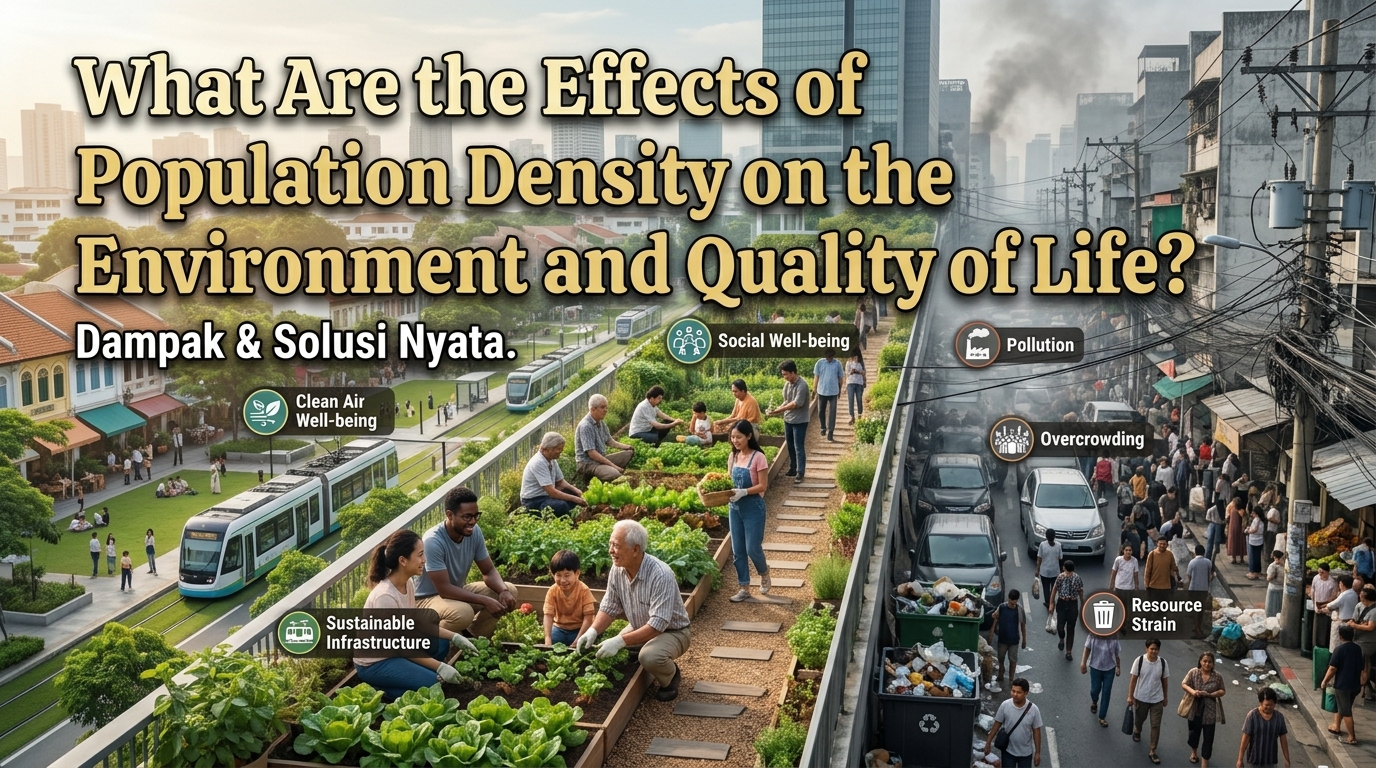
Population density has an important influence on how people live and interact with their surroundings. In areas with high population density, many people share limited land, housing, transportation, water, and other natural resources. This condition can create economic and social benefits, such as easier access to public facilities and more employment opportunities. However, it can also increase environmental problems, including air pollution, waste accumulation, traffic congestion, and pressure on natural resources. Understanding the effects of population density on the environment and quality of life is essential for creating healthier and more sustainable communities.
UNDERSTANDING POPULATION DENSITY AND ITS RELATIONSHIP WITH THE ENVIRONMENT
Population density refers to the average number of people living within a specific unit of land area, usually measured in people per square kilometer. It helps explain how concentrated a population is within a particular region. Areas with high population density often have more residential buildings, businesses, roads, and public facilities within limited spaces. Meanwhile, areas with low population density generally have fewer residents spread across larger territories.
Population density can influence how people use natural resources and manage their surroundings. When the number of residents increases, demand for clean water, food, energy, housing, and transportation also tends to grow. If infrastructure and environmental management cannot meet these demands, environmental problems may become more serious. However, high population density does not always result in environmental damage because effective planning and resource management can reduce negative impacts.
THE EFFECTS OF POPULATION DENSITY ON AIR POLLUTION
Air pollution is one of the major environmental challenges in densely populated areas. A large number of residents often means more vehicles, industrial activities, construction projects, and energy consumption. These activities can release pollutants such as particulate matter, nitrogen dioxide, and other harmful substances into the atmosphere. As a result, air quality may decrease, especially in cities with heavy traffic and limited green spaces.
Poor air quality can affect human health and environmental conditions. Long-term exposure to polluted air is associated with respiratory diseases, cardiovascular problems, and other health risks. Air pollution can also contribute to environmental problems such as acid deposition and climate change through certain emissions. Improving public transportation, controlling industrial emissions, and increasing urban vegetation can help reduce these impacts.
THE IMPACT OF POPULATION GROWTH ON WATER RESOURCES
High population density increases demand for clean water for drinking, cooking, sanitation, agriculture, and industrial activities. When many people depend on the same water sources, rivers, reservoirs, and groundwater supplies may experience greater pressure. If water consumption exceeds available supplies or management capacity, communities may face water shortages. This situation can become more serious during droughts or periods of limited rainfall.
Water pollution is another major concern in densely populated regions. Domestic wastewater, industrial discharge, and improperly managed waste can contaminate rivers and other water sources. Without adequate sanitation and wastewater treatment systems, polluted water can spread diseases and damage aquatic ecosystems. Therefore, effective water conservation, sanitation facilities, and wastewater management are essential for protecting public health and the environment.
WASTE MANAGEMENT AND ENVIRONMENTAL DEGRADATION
A growing population generally produces more household, commercial, and industrial waste. In densely populated areas, waste collection and disposal systems must handle large amounts of rubbish every day. When waste management services are insufficient, garbage may accumulate in residential areas, drainage channels, and public spaces. This can create unpleasant surroundings, attract pests, and increase the risk of flooding when drainage systems become blocked.
Improper waste disposal can also damage soil and water quality. Plastic waste may enter rivers and oceans, while hazardous materials can contaminate land and groundwater. Effective waste management requires regular collection, proper disposal facilities, recycling programs, and public awareness. Communities can also reduce environmental pressure by limiting single-use products and separating waste according to its type.
THE EFFECTS OF POPULATION DENSITY ON GREEN SPACES AND BIODIVERSITY
Green spaces such as parks, forests, gardens, and urban trees are important for maintaining environmental balance. They help absorb carbon dioxide, improve air quality, reduce urban temperatures, and provide habitats for wildlife. However, increasing demand for housing, roads, and commercial buildings can reduce the amount of available green space. Uncontrolled urban expansion may also cause deforestation and habitat fragmentation.
The loss of natural habitats can threaten biodiversity by reducing the living areas available to plants and animals. Some species may struggle to survive when their environments are replaced by buildings and infrastructure. In addition, fewer trees and green areas can make urban neighborhoods hotter and less comfortable. Protecting parks, maintaining urban forests, and creating environmentally friendly development plans can help preserve biodiversity and improve urban conditions.
THE IMPACT OF HIGH POPULATION DENSITY ON HOUSING AND LIVING CONDITIONS
High population density can increase demand for residential buildings, particularly in cities with limited available land. When housing supply cannot keep up with population growth, property prices and rental costs may rise. Some residents may be forced to live in smaller homes or overcrowded neighborhoods. In areas with inadequate housing management, informal settlements may develop with limited access to clean water, sanitation, and reliable infrastructure.
Poor housing conditions can affect residents' health, privacy, safety, and comfort. Overcrowded homes may increase the spread of infectious diseases and create additional pressure on household facilities. Governments can address these challenges by developing affordable housing, improving existing neighborhoods, and providing adequate public infrastructure. Proper residential planning is essential for ensuring that growing populations have access to safe and comfortable homes.
THE EFFECTS ON TRANSPORTATION AND DAILY ACTIVITIES
Densely populated areas often experience greater transportation demand because many residents travel to workplaces, schools, shopping centers, and public facilities. When road networks and public transportation systems cannot accommodate this demand, traffic congestion becomes more common. Long travel times can increase stress, reduce productivity, and affect people's daily schedules. Vehicles that remain in traffic can also contribute to fuel consumption and air pollution.
Improving public transportation is an important solution to these challenges. Reliable buses, trains, pedestrian pathways, and cycling facilities can reduce dependence on private vehicles. Better connections between residential areas and economic centers can also make daily travel more efficient. These improvements help create urban environments that are more accessible, less polluted, and comfortable for residents.
THE INFLUENCE OF POPULATION DENSITY ON HEALTH AND WELL-BEING
Population density can influence both physical and mental health. In densely populated areas, residents may experience greater exposure to noise, air pollution, overcrowding, and limited personal space. These conditions can contribute to stress, sleep disturbances, and other health concerns. Inadequate sanitation and overcrowded housing can also increase the risk of certain infectious diseases.
However, densely populated cities can provide important health advantages when facilities are properly managed. Residents may have easier access to hospitals, clinics, pharmacies, sports facilities, and public transportation. Social interaction and community activities can also support emotional well-being. The overall impact of population density on health therefore depends on environmental quality, public services, housing conditions, and urban management.
THE POSITIVE EFFECTS OF HIGH POPULATION DENSITY
Although high population density can create environmental and social challenges, it also offers several advantages. Concentrated populations can support efficient public transportation because more people can use the same routes and facilities. Businesses can reach larger customer markets, while residents may have easier access to employment, education, healthcare, and entertainment. These conditions can encourage innovation, economic growth, and social interaction.
High-density development can also reduce the need for extensive urban expansion when land is used efficiently. Apartments and mixed-use buildings can accommodate more residents within smaller areas compared with widely spread residential development. This may help protect surrounding agricultural land and natural habitats. However, these benefits depend on good urban planning, sufficient infrastructure, and responsible environmental management.
HOW CAN POPULATION DENSITY PROBLEMS BE MANAGED?
Managing population density requires a combination of environmental protection, infrastructure development, and effective public policies. Governments should improve public transportation, expand affordable housing, provide reliable sanitation, and develop proper waste management systems. Protecting green spaces and water resources should also become important parts of urban planning. These measures can help reduce environmental pressure while supporting residents' daily needs.
Public participation is equally important in creating sustainable communities. Residents can contribute by saving water and energy, separating household waste, using public transportation, and maintaining clean surroundings. Businesses should also adopt environmentally responsible practices to reduce pollution and resource consumption. Through cooperation between governments, businesses, and communities, densely populated areas can become healthier and more sustainable.
CONCLUSION
Population density has significant effects on the environment and quality of life. High population concentrations can increase air pollution, water demand, waste production, housing pressure, and the loss of green spaces. They can also create transportation challenges and affect public health when infrastructure and services are insufficient. However, high population density can provide economic advantages and easier access to essential facilities when cities are properly managed.
The key to addressing these challenges is sustainable urban development. Governments and communities need to balance population needs with environmental protection, effective infrastructure, and accessible public services. With proper planning and responsible resource management, densely populated areas can provide better living conditions while protecting the environment for future generations.
Recent Posts

Bagaimana Sistem SKS pada Program Kuliah... 22.11.2026/33 View

How Does Technology Make Daily Evaluation... 21.11.2026/67 View

Apa Strategi Menghadapi Kesenjangan antara Kompetensi... 21.11.2026/67 View

Mengapa Inventaris Aset Penting bagi Kelancaran... 21.11.2026/65 View

When Should Musicians Join a Record... 21.11.2026/66 View
