

What Are The Effects Of The Transitional Season On Agriculture In Indonesia?
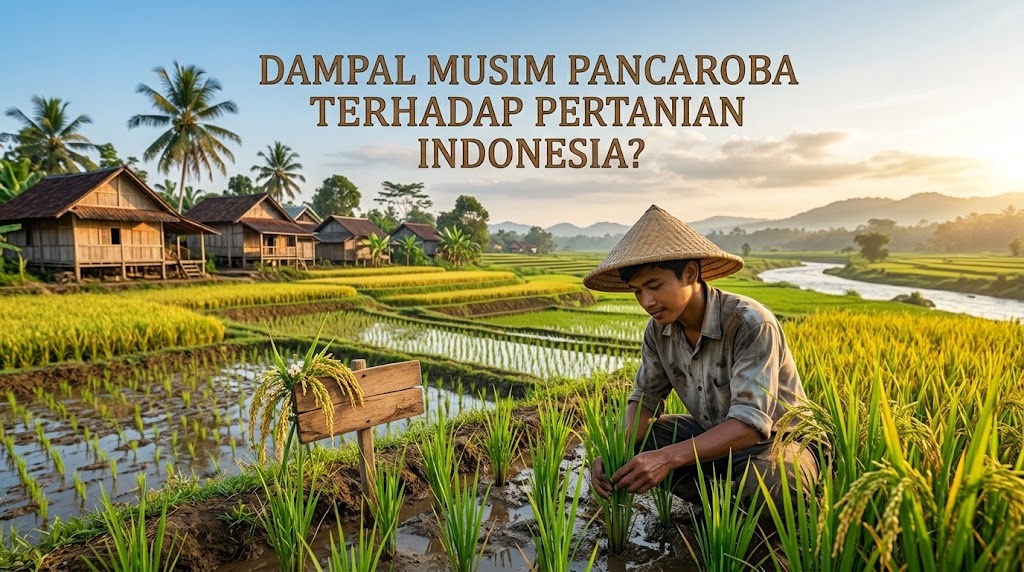
The transitional season, also known as the changeover season, is the period when Indonesia shifts between the rainy and dry seasons. During this time, weather conditions can change quickly, bringing irregular rainfall, hot temperatures, high humidity, and occasional strong winds. These changes can influence farming activities, from preparing the soil and planting crops to irrigation and harvesting. Because agriculture depends heavily on suitable weather conditions, the transitional season can create both opportunities and challenges for Indonesian farmers. Understanding these effects helps farmers plan their activities and protect crop production.
CHANGES IN RAINFALL AND WATER AVAILABILITY
One major effect of the transitional season on agriculture in Indonesia is unpredictable rainfall. Rain may arrive earlier or later than expected, making it difficult for farmers to determine the best time to plant crops. When rainfall is limited, soil moisture decreases, and crops may struggle to obtain enough water for healthy growth. On the other hand, intense rain over a short period can cause waterlogging, soil erosion, and damage to young plants. These conditions can affect crop development and reduce harvest quality if they are not managed properly.
Water availability also depends on local conditions, including rivers, reservoirs, irrigation systems, and soil characteristics. Farmers in areas with reliable irrigation may be better prepared for dry periods than those who depend mainly on rainfall. Efficient water management is therefore essential during the transitional season. Farmers can monitor soil moisture, maintain irrigation channels, and collect rainwater where practical. These steps help ensure that crops receive enough water without wasting valuable resources.
EFFECTS ON CROP GROWTH AND PRODUCTIVITY
Changes in temperature, rainfall, and sunlight can influence how agricultural crops grow. Many crops need suitable amounts of water, light, and warmth to develop properly. If the weather becomes too hot or dry, plants may lose water faster than they can absorb it, causing wilting and slower growth. Excessive rainfall can also reduce oxygen in waterlogged soil and damage plant roots. Unstable weather conditions may reduce crop productivity when they occur during sensitive stages such as flowering and fruit development.
Different crops respond differently to seasonal changes. Rice, maize, vegetables, and plantation crops have varying water requirements and levels of tolerance to heat or excess moisture. Farmers need to consider the crop variety, planting schedule, soil condition, and local weather patterns before making decisions. Using suitable varieties and adjusting planting times can help reduce the impact of unpredictable conditions. Good crop management can improve resilience, although it cannot eliminate every weather-related risk.
INCREASED RISK OF PESTS AND PLANT DISEASES
The transitional season can create environmental conditions that favor certain agricultural pests and plant diseases. Warm temperatures and high humidity may encourage some fungi and bacteria to develop, especially when leaves remain wet for long periods. Irregular rainfall can also affect insect activity and change the spread of pests in farming areas. As a result, farmers may face problems such as leaf damage, rotting plant tissues, or reduced crop quality. However, the types and severity of these problems depend on the crop, location, and specific environmental conditions.
To reduce these risks, farmers should inspect crops regularly and identify unusual spots, damaged leaves, or signs of insect activity early. Maintaining appropriate plant spacing and improving drainage can reduce excessive moisture around plants. Farmers should also use pesticides responsibly and follow product instructions when treatment is necessary. Integrated pest management, which combines monitoring, prevention, biological methods, and carefully selected treatments, can help control pests more sustainably. Early detection and proper crop care can prevent some problems from spreading across a field.
SOIL CONDITIONS AND EROSION RISKS
Changes in rainfall during the transitional season can affect soil quality and the stability of agricultural land. Heavy rain may wash away nutrient-rich topsoil, especially on sloping fields with little vegetation. This process, known as soil erosion, can reduce soil fertility and make it harder for crops to grow. In low-lying areas, excess water may cause waterlogging and interfere with root development. Meanwhile, prolonged dry weather can harden the soil surface and make it difficult for water to enter the ground.
Farmers can protect soil by maintaining ground cover, planting cover crops, and using suitable conservation methods on sloping land. Improving drainage can help prevent water from remaining around crop roots for too long. Adding organic matter, such as properly prepared compost, can improve soil structure and water retention. The most appropriate method depends on the type of soil, crop, and local landscape. Healthy soil management helps farms withstand changing rainfall and maintain long-term productivity.
EFFECTS ON FARMING SCHEDULES AND HARVESTS
Unpredictable weather can disrupt the timing of important agricultural activities. Farmers may need to delay planting when the soil is too dry or postpone fieldwork when heavy rain makes the land difficult to access. Rain during harvesting can damage certain crops, delay drying, and increase the risk of spoilage if produce is not handled properly. Strong winds may also damage crops that are vulnerable to lodging or broken branches. These disruptions can increase labor costs and affect the amount of produce available for sale.
Planning ahead can help farmers manage these challenges. Weather forecasts and agricultural advisories can support decisions about planting, irrigation, fertilizer application, and harvesting. Farmers should also consider local seasonal patterns and avoid relying on a single forecast for long-term planning. Proper storage and post-harvest handling can reduce losses when weather delays transportation or drying. By combining weather information with practical experience, farmers can make more informed decisions throughout the growing season.
ECONOMIC EFFECTS ON FARMERS
Agricultural problems during the transitional season can affect farmers' income and household finances. Lower yields, damaged crops, and delayed harvests may reduce the quantity and quality of produce available for sale. Farmers may also spend more on irrigation, pest control, drainage repairs, or replacement seedlings. If many farmers in the same region experience production problems, the supply of certain crops may decline and market prices may change. However, the economic impact varies depending on the crop, local market, farm size, and availability of support.
Farmers can reduce some financial risks by diversifying crops, improving storage, and keeping basic records of production costs. Cooperatives and farmer groups can also help members share information, equipment, and access to agricultural services. Government programs, agricultural insurance where available, and technical assistance may provide additional support. Financial planning and farm diversification can make farming households more resilient to unpredictable weather. These measures are especially useful when combined with sustainable farming practices.
HOW FARMERS CAN ADAPT TO THE TRANSITIONAL SEASON
Farmers in Indonesia can take several practical steps to prepare for changing weather. First, they should follow reliable weather information from official meteorological agencies and local agricultural services. Second, they can adjust planting schedules according to local rainfall patterns, crop requirements, and soil moisture. Third, they should maintain irrigation and drainage systems so that fields can receive water during dry periods and release excess water after heavy rain. Careful planning and efficient water management are essential for reducing weather-related agricultural losses.
Other strategies include selecting suitable crop varieties, monitoring pests, protecting soil, and improving post-harvest storage. Farmers can also explore water-saving irrigation methods and conservation practices suited to their land. Sharing information through farmer groups can help communities respond more quickly to changing conditions. Because Indonesia has diverse climates and farming systems, adaptation strategies should match local needs rather than follow one approach everywhere. Combining local knowledge with scientific information can help farmers prepare for future seasonal changes.
CONCLUSION
The transitional season affects agriculture in Indonesia through irregular rainfall, changing soil moisture, crop stress, pest and disease risks, and disruptions to planting and harvesting schedules. These challenges can influence crop yields, production costs, and farmers' income. However, effective water management, soil conservation, pest monitoring, and careful scheduling can reduce many of the risks. Access to reliable weather forecasts and agricultural guidance also helps farmers make better decisions. With suitable adaptation strategies, Indonesian farmers can strengthen their resilience and support more sustainable agricultural production.
Recent Posts

Bagaimana Sistem SKS pada Program Kuliah... 22.11.2026/54 View

How Does Technology Make Daily Evaluation... 21.11.2026/83 View

Apa Strategi Menghadapi Kesenjangan antara Kompetensi... 21.11.2026/81 View

Mengapa Inventaris Aset Penting bagi Kelancaran... 21.11.2026/78 View

When Should Musicians Join a Record... 21.11.2026/83 View
