

What Are The Environmental Impacts Of Climate Change?
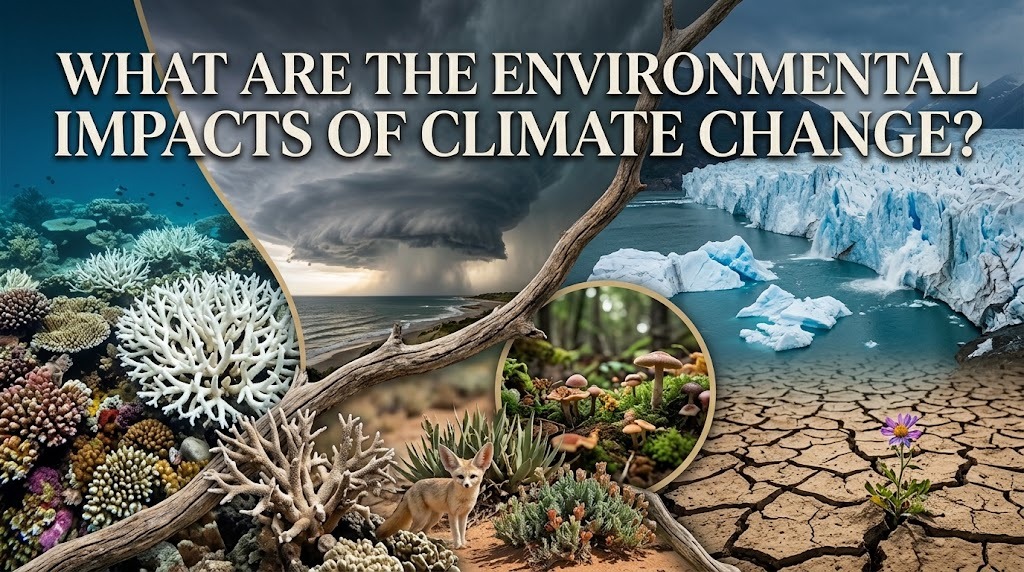
Climate change is one of the most serious environmental challenges facing the world today. It causes long-term changes in temperatures, rainfall patterns, and weather conditions, affecting ecosystems across the planet. Rising global temperatures can damage natural habitats, increase the risk of extreme weather, and threaten the survival of many plant and animal species. These changes also affect oceans, forests, freshwater resources, and soil quality. Understanding the environmental impacts of climate change is important for protecting nature and maintaining a healthy balance between humans and the environment.
1. RISING GLOBAL TEMPERATURES
Rising global temperatures are one of the clearest signs of climate change. The main cause of current global warming is the increase in greenhouse gases released by human activities, particularly the burning of fossil fuels. Higher temperatures can change growing seasons, increase evaporation, and make heatwaves more intense in many regions. These conditions place pressure on plants, animals, and ecosystems that depend on stable temperatures. Reducing greenhouse gas emissions and expanding the use of renewable energy are important steps toward limiting further warming.
2. MELTING GLACIERS AND RISING SEA LEVELS
Climate change causes glaciers and ice sheets to lose ice as global temperatures rise. Melting land ice contributes to rising sea levels, while warmer seawater expands and adds to the increase. Rising sea levels can cause coastal erosion, more frequent flooding, and the loss of important coastal habitats. Low-lying islands, wetlands, and coastal forests are particularly vulnerable to these changes. Protecting coastal ecosystems, reducing greenhouse gas emissions, and planning development carefully can help communities and natural environments respond to rising seas.
3. LOSS OF BIODIVERSITY
Biodiversity refers to the variety of living organisms, including plants, animals, and microorganisms. Climate change threatens biodiversity by altering habitats, shifting suitable living areas, and disrupting food chains. Some species cannot adapt or move quickly enough to survive changing environmental conditions. For example, rising ocean temperatures can cause coral bleaching, while changes in temperature and rainfall can threaten forest and mountain species. Protecting natural habitats, restoring damaged ecosystems, and reducing other pressures such as pollution can improve the ability of species to survive climate change.
4. OCEAN WARMING AND ACIDIFICATION
The oceans absorb much of the excess heat trapped by greenhouse gases, making ocean warming a major environmental consequence of climate change. Warmer water can damage coral reefs, change the distribution of marine species, and reduce oxygen levels in some ocean areas. At the same time, oceans absorb carbon dioxide from the atmosphere, causing ocean acidification. This process changes seawater chemistry and makes it harder for organisms such as corals and some shellfish to build and maintain their calcium carbonate structures. Reducing carbon dioxide emissions and protecting marine ecosystems are essential for limiting these impacts.
5. MORE EXTREME WEATHER EVENTS
Climate change affects the frequency and intensity of several types of extreme weather. Heatwaves are becoming more frequent and intense in many regions, while a warmer atmosphere can hold more moisture, contributing to heavier rainfall when conditions are suitable. These changes can increase the risk of flooding and landslides in vulnerable areas. Higher temperatures can also worsen drought conditions by increasing evaporation and drying out soils, although drought patterns vary by region. Improving early warning systems, protecting natural landscapes, and reducing emissions can help limit the environmental damage caused by these hazards.
6. FOREST DEGRADATION AND WILDFIRES
Forests play an important role in absorbing carbon dioxide, storing carbon, and supporting wildlife. However, climate change can increase wildfire risk in some regions by creating hotter and drier conditions. Severe droughts and prolonged heat can weaken trees, dry vegetation, and make forests more vulnerable to fire. Large wildfires destroy habitats, release stored carbon, and produce smoke that affects air quality. Protecting forests, restoring degraded land, and managing vegetation responsibly can help reduce these risks and preserve important ecosystems.
7. CHANGES IN WATER RESOURCES
Climate change influences the availability and quality of freshwater around the world. Changing rainfall patterns can cause longer droughts in some areas and heavier rainfall in others. Higher temperatures increase evaporation from rivers, lakes, and reservoirs, while melting snow and glaciers can change the timing and amount of water flowing downstream. Floods can also carry pollutants into freshwater sources and damage aquatic habitats. Conserving water, protecting watersheds, restoring wetlands, and improving water management can help maintain reliable freshwater supplies.
8. DAMAGE TO SOIL AND AGRICULTURAL LAND
Healthy soil supports plant growth, stores carbon, and provides habitats for many organisms. Climate change can increase soil erosion and land degradation through heavy rainfall, floods, droughts, and stronger winds in susceptible areas. Extreme heat and prolonged dryness can reduce soil moisture, making it harder for plants to grow. When vegetation disappears, the soil becomes more exposed to erosion, and valuable nutrients may be lost. Sustainable farming, planting ground cover, restoring vegetation, and managing land carefully can help protect soil quality and maintain productive ecosystems.
HOW CAN WE REDUCE THE ENVIRONMENTAL IMPACTS OF CLIMATE CHANGE?
Reducing the environmental impacts of climate change requires action from individuals, communities, businesses, and governments. People can save energy, use public transportation, reduce waste, and choose more sustainable products. Governments and industries can reduce emissions by expanding renewable energy, improving energy efficiency, and protecting forests. Restoring wetlands, conserving wildlife habitats, and planting suitable native vegetation can also help ecosystems adapt to changing conditions. Combining emission reductions with ecosystem protection and climate adaptation is essential for preserving biodiversity and reducing future environmental damage.
CONCLUSION
The environmental impacts of climate change include rising temperatures, melting glaciers, rising sea levels, biodiversity loss, ocean acidification, extreme weather, and damage to forests and soil. These effects are connected and can weaken ecosystems that provide essential resources for life. Although some environmental changes are already occurring, reducing greenhouse gas emissions can limit further warming and its consequences. Protecting natural habitats and managing resources sustainably can also help ecosystems become more resilient. Taking action today is essential to protect the Earth's environment for future generations.
Recent Posts

Bagaimana Sistem SKS pada Program Kuliah... 22.11.2026/47 View

How Does Technology Make Daily Evaluation... 21.11.2026/75 View

Apa Strategi Menghadapi Kesenjangan antara Kompetensi... 21.11.2026/77 View

Mengapa Inventaris Aset Penting bagi Kelancaran... 21.11.2026/73 View

When Should Musicians Join a Record... 21.11.2026/77 View
