

What Are the Everyday Signs of Global Warming?
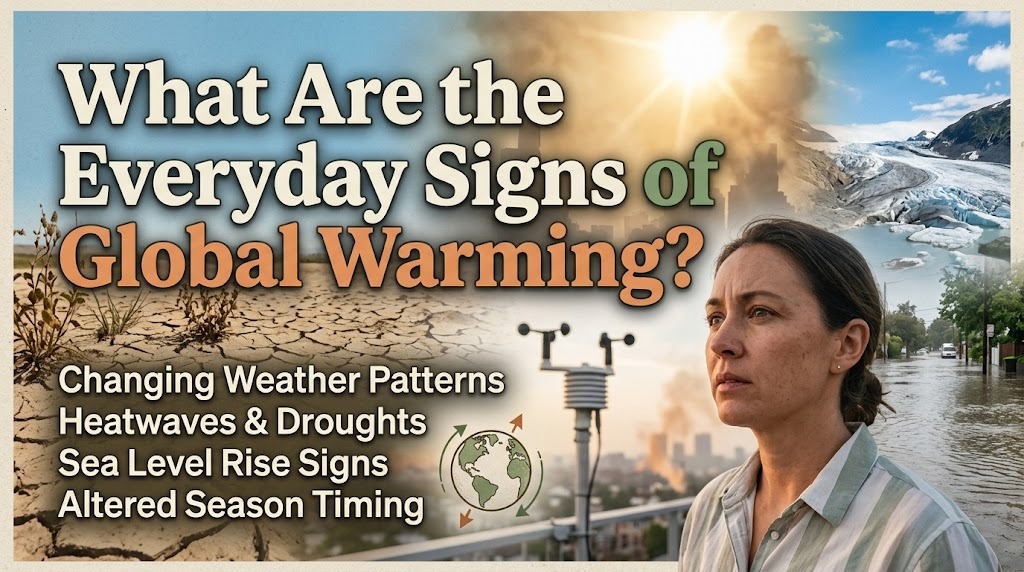
Global warming is the long-term increase in the Earth's average surface temperature, largely driven by human activities that release greenhouse gases into the atmosphere. Although the process develops over many years, its effects can sometimes be noticed through changes in everyday weather, seasonal patterns, and the natural environment. These changes provide clues about how the Earth's climate is responding to rising temperatures.
Recognizing the everyday signs of global warming can help people understand why climate change matters in daily life. However, not every hot day, heavy rainfall, or unusual weather event is caused solely by global warming. Climate patterns naturally vary, so scientists examine long-term observations and trends to identify changes associated with a warming planet.
MORE FREQUENT AND INTENSE HEATWAVES
One noticeable sign of global warming is the increasing frequency and intensity of heatwaves in many regions. A heatwave occurs when temperatures remain unusually high for several consecutive days compared with the normal conditions of an area. As average temperatures rise, extremely hot periods can become more likely and may last longer in some locations.
People may notice that afternoons feel hotter, nights provide less relief, or periods of extreme heat occur more often than they used to. These conditions can make outdoor activities uncomfortable and increase the need for cooling systems. Prolonged heat can also affect health, particularly among older adults, young children, outdoor workers, and people with certain medical conditions. However, the extent of heatwave changes varies by region and depends on local weather patterns as well as long-term warming.
CHANGES IN RAINFALL AND SEASONAL PATTERNS
Another sign associated with global warming and changing weather patterns is a shift in rainfall and seasonal timing. Some regions may experience heavier rainfall over short periods, while others face longer dry spells or changes in the timing of rainy seasons. A warmer atmosphere can hold more water vapor, which can contribute to heavier precipitation when suitable weather conditions occur.
In everyday life, these changes may appear as rain arriving earlier or later than expected, unexpected dry periods, or sudden heavy downpours. Such conditions can affect transportation, farming, water management, and outdoor activities. Nevertheless, rainfall patterns are influenced by many factors, including regional climate systems and natural variability. Long-term records are needed to determine whether a particular change reflects a lasting trend.
MELTING ICE AND RISING SEA LEVELS
The loss of glaciers and polar ice is another important indicator of a warming climate. Rising temperatures can increase the melting of glaciers and land-based ice sheets, while warmer ocean water contributes to the expansion of seawater. Together, these processes contribute to global sea level rise.
People living near coastlines may notice more frequent coastal flooding, shoreline erosion, or saltwater entering freshwater sources, although these effects also depend on local land movement, tides, storms, and coastal development. In polar regions, declining sea ice can change habitats used by animals such as polar bears and seals. These changes may not be visible in every community, but they are important signs of broader changes in the global climate system.
CHANGES IN PLANTS, ANIMALS, AND NATURAL HABITATS
Global warming affects ecosystems by changing the environmental conditions that plants and animals depend on. In some places, plants may flower earlier, growing seasons may shift, or species may appear in areas where they were previously uncommon. These changes can occur when temperatures and seasonal patterns no longer match the conditions to which species have adapted.
Animals may also change their migration, breeding, or feeding patterns in response to changing temperatures and food availability. For example, some species may move toward cooler regions, while others may struggle if their habitats become too warm or dry. People may notice changes in flowering times, the appearance of certain insects, or shifts in local wildlife. However, these observations alone cannot confirm global warming because habitat changes, land use, and other environmental factors can also influence plants and animals.
INCREASED PRESSURE ON WATER, FOOD, AND ENERGY RESOURCES
The effects of global warming in everyday life can also appear through changes in water availability, food production, and energy demand. Higher temperatures can increase evaporation and make drought conditions more severe in some regions. When water supplies become limited, households, farms, and businesses may face greater challenges in meeting their needs.
Agriculture can be affected by heat stress, changing rainfall, and increased pressure from certain pests. These factors may influence crop yields and contribute to changes in food availability or prices, although many other factors also affect food costs. Hotter conditions can increase electricity demand as people use fans and air conditioners more frequently. Together, these pressures demonstrate how long-term climate changes can influence daily routines, public services, and local economies.
CONCLUSION
The everyday signs of global warming can include more frequent heatwaves, changing rainfall patterns, melting glaciers, rising sea levels, shifts in plant and animal behavior, and greater pressure on water and energy resources. The effects vary across regions, and some signs may be more noticeable in certain environments than others. A single weather event does not prove global warming, but consistent long-term observations can reveal broader climate trends.
Understanding these signs can encourage people to take practical steps to reduce greenhouse gas emissions and prepare for climate-related risks. Saving electricity, using public transportation when practical, reducing waste, and supporting the protection of natural habitats can contribute to wider efforts. Individual actions are most effective when combined with community initiatives, responsible business practices, and policies that support climate change mitigation.
Recent Posts

Bagaimana Sistem SKS pada Program Kuliah... 22.11.2026/48 View

How Does Technology Make Daily Evaluation... 21.11.2026/76 View

Apa Strategi Menghadapi Kesenjangan antara Kompetensi... 21.11.2026/78 View

Mengapa Inventaris Aset Penting bagi Kelancaran... 21.11.2026/73 View

When Should Musicians Join a Record... 21.11.2026/78 View
