

What Are the Health Effects of Poor Sleep?
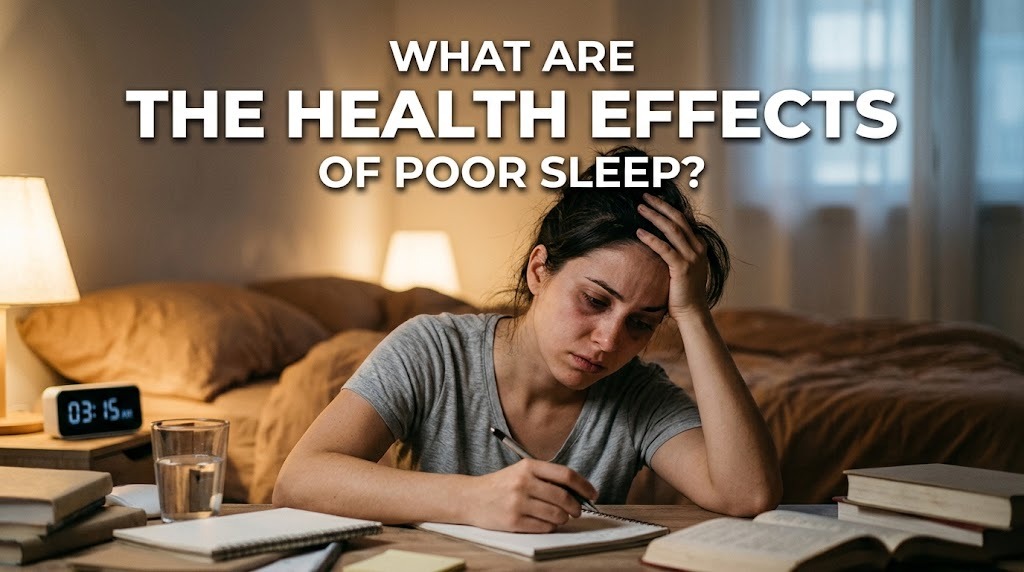
Sleep plays an important role in maintaining physical health, mental well-being, and daily performance. During sleep, the body supports tissue repair, regulates hormones, and processes information collected throughout the day. Poor sleep can occur when a person does not get enough rest, frequently wakes up during the night, or has difficulty maintaining a regular sleep schedule. When these problems continue, they can affect several aspects of health, from concentration and mood to immune function and long-term disease risk.
REDUCED CONCENTRATION AND MEMORY
Poor sleep can make it difficult to concentrate, remember information, and make decisions. The brain needs sufficient rest to process new information and strengthen memories. When sleep is inadequate, people may experience slower reaction times, reduced attention, and difficulty solving problems. These effects can interfere with schoolwork, professional responsibilities, and everyday activities that require careful thinking.
MOOD CHANGES AND EMOTIONAL STRESS
Insufficient sleep can affect emotional regulation and make everyday challenges feel more difficult to manage. People who sleep poorly may become more irritable, anxious, or emotionally sensitive. Lack of rest can also make it harder to respond calmly to stressful situations or communicate effectively with others. If sleep difficulties persist, they may contribute to a cycle in which stress disrupts sleep and poor sleep further affects emotional well-being.
WEAKENED IMMUNE FUNCTION
Sleep supports the immune system, which helps the body respond to infections and maintain normal physiological functions. Consistently insufficient sleep can interfere with immune responses and may increase susceptibility to certain illnesses. Adequate rest also helps the body recover while managing the demands of daily life. Maintaining a regular sleep schedule is therefore an important part of supporting overall health, alongside balanced nutrition and appropriate physical activity.
INCREASED RISK OF CHRONIC HEALTH CONDITIONS
Long-term insufficient or disrupted sleep is associated with a higher risk of several chronic health conditions, including high blood pressure, type 2 diabetes, obesity, and cardiovascular disease. Sleep influences processes involved in blood pressure regulation, glucose metabolism, appetite, and hormonal balance. When these processes are repeatedly disrupted, they may contribute to health problems over time. However, poor sleep is only one potential factor among many, and an association does not mean that sleep problems alone cause these conditions.
CHANGES IN APPETITE AND BODY WEIGHT
Poor sleep can affect hormones and brain signals involved in hunger, fullness, and food preferences. Some people may feel hungrier after an inadequate night of rest or find it harder to manage cravings for energy-dense foods. Tiredness can also reduce motivation for physical activity and make healthy routines more difficult to maintain. Over time, these changes may contribute to weight gain, although individual outcomes depend on diet, activity levels, health conditions, and other factors.
LOWER ENERGY AND PHYSICAL PERFORMANCE
People who do not sleep well may experience daytime fatigue, reduced stamina, and slower physical reactions. Sleep helps the body recover from daily activity and supports coordination, muscle function, and exercise performance. When rest is inadequate, routine tasks can feel more demanding, and physical performance may decline. Allowing sufficient time for sleep can help support energy levels, recovery, and consistent participation in physical activities.
HIGHER RISK OF ACCIDENTS AND INJURIES
Poor sleep can reduce alertness and slow reaction times, increasing the risk of mistakes and accidents. This can be particularly dangerous when driving, operating machinery, crossing busy roads, or performing tasks that require sustained attention. Severe sleepiness may cause brief episodes of involuntary sleep, sometimes called microsleeps, without a person fully realizing what is happening. Anyone who feels too sleepy to drive or operate equipment should stop and arrange a safer alternative.
EFFECTS ON MENTAL WELL-BEING
Sleep and mental health influence each other in complex ways. Persistent sleep difficulties can worsen symptoms of anxiety and depression, while mental health challenges may also interfere with sleep quality. This relationship does not mean that every person with poor sleep will develop a mental health condition. However, ongoing sleep problems deserve attention, especially when they affect daily functioning or occur alongside persistent emotional distress.
HOW TO IMPROVE SLEEP QUALITY
Several practical habits can support healthier sleep. Maintaining a consistent bedtime and wake-up time helps establish a regular sleep pattern, while a quiet, dark, and comfortable bedroom can make resting easier. Limiting caffeine later in the day, reducing stimulating activities before bedtime, and getting regular daytime physical activity may also help. Most adults generally need at least seven hours of sleep per night, although individual needs vary with age and circumstances.
WHEN TO SEEK PROFESSIONAL HELP
Occasional poor sleep is common, but persistent difficulties may require professional assessment. Consider consulting a healthcare professional if sleep problems continue, interfere with daily activities, or occur alongside loud snoring, gasping during sleep, or excessive daytime sleepiness. A professional can help identify possible causes and discuss suitable treatment options. Seeking advice early can help prevent ongoing sleep difficulties from unnecessarily affecting health and quality of life.
CONCLUSION
Poor sleep can affect concentration, emotional regulation, immune function, physical performance, and long-term health. Repeated sleep disruption is also associated with a higher risk of certain chronic diseases and accidents caused by reduced alertness. Maintaining consistent sleep habits and seeking professional advice when problems persist can help protect overall well-being. Prioritizing adequate rest is an important part of a healthy daily routine.
Recent Posts

Bagaimana Sistem SKS pada Program Kuliah... 22.11.2026/60 View

How Does Technology Make Daily Evaluation... 21.11.2026/87 View

Apa Strategi Menghadapi Kesenjangan antara Kompetensi... 21.11.2026/85 View

Mengapa Inventaris Aset Penting bagi Kelancaran... 21.11.2026/83 View

When Should Musicians Join a Record... 21.11.2026/87 View
