

What Are the Key Indicators Used to Measure Employee Performance?
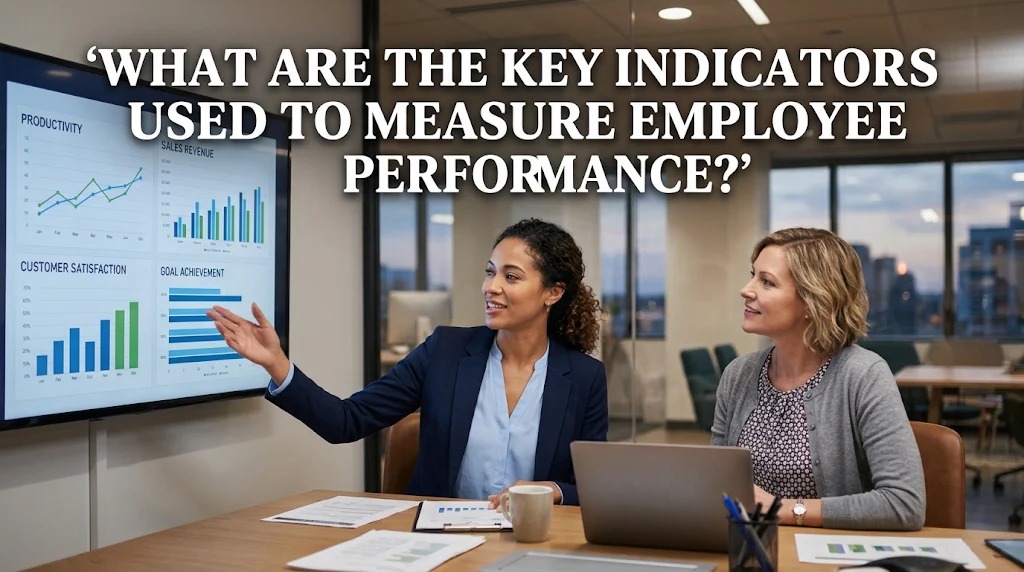
Measuring employee performance is an important part of managing a company's workforce. It helps organizations understand how effectively employees complete their responsibilities, achieve work targets, and contribute to business objectives. Without proper measurement, companies may find it difficult to identify employee strengths, recognize performance problems, and determine whether their workforce is meeting expectations.
To evaluate employees accurately, companies need to use relevant performance indicators that reflect their responsibilities and working conditions. These indicators should not only focus on the number of tasks completed but also consider work quality, discipline, communication, teamwork, and professional development. By using appropriate evaluation criteria, organizations can make better decisions, improve productivity, and support long-term employee growth.
WORK PRODUCTIVITY AND TASK COMPLETION
Work productivity is one of the most common indicators used to measure employee performance. It describes how effectively employees use their time, skills, and available resources to complete assigned responsibilities. Companies can assess productivity by examining the number of tasks completed, projects handled, daily output, and the ability to achieve established targets.
Task completion is also important because employees are expected to finish their responsibilities within agreed deadlines. Employees who consistently complete assignments on time demonstrate good work organization and responsibility. However, companies should consider the complexity of each task rather than evaluating employees based only on the quantity of their output. A fair assessment considers both work volume and efficiency to understand how effectively employees contribute to organizational goals.
QUALITY AND ACCURACY OF WORK
The quality of work indicates how well employees perform their responsibilities according to company standards. This indicator includes accuracy, attention to detail, consistency, and the ability to produce results that meet expected requirements. For example, employees working in administration can be evaluated through document accuracy, while customer service employees can be assessed based on the quality of assistance they provide.
Companies should also monitor how frequently employees make mistakes and how effectively they correct them. A high level of work quality can reduce unnecessary revisions, prevent operational problems, and improve customer satisfaction. However, managers should understand that occasional mistakes can happen during normal working activities. What matters is whether employees take responsibility, learn from their experiences, and demonstrate continuous improvement in their work.
ATTENDANCE AND WORK DISCIPLINE
Attendance and work discipline are important indicators because they reflect an employee's responsibility and consistency. Companies can evaluate these aspects by monitoring punctuality, attendance records, compliance with working schedules, and adherence to organizational policies. Employees who maintain good attendance and follow workplace procedures help ensure that daily operations run smoothly.
Work discipline also involves following instructions, respecting professional boundaries, and completing responsibilities without unnecessary supervision. However, attendance should be assessed fairly by considering approved leave, legitimate absences, and applicable company policies. Managers should not automatically assume that employees with perfect attendance always have better performance than those with occasional authorized absences. A balanced evaluation should examine both professional responsibility and actual work contributions.
TEAMWORK AND COMMUNICATION SKILLS
Teamwork and communication skills influence how effectively employees cooperate with colleagues and contribute to shared objectives. Employees often need to exchange information, coordinate responsibilities, solve problems, and support other team members. Therefore, companies should assess how well employees communicate ideas, listen to feedback, and maintain professional relationships in the workplace.
Effective communication can prevent misunderstandings and improve coordination between departments. Meanwhile, good teamwork helps employees complete projects more efficiently and develop a supportive working environment. Managers can evaluate these indicators through team projects, peer feedback, collaboration records, and observations of workplace interactions. Strong interpersonal skills are particularly valuable because individual performance often affects the success of an entire team.
INITIATIVE AND PROBLEM-SOLVING ABILITIES
Initiative refers to an employee's willingness to take action, identify opportunities, and contribute ideas without always waiting for instructions. Employees who demonstrate initiative often look for better ways to complete tasks, take responsibility for their work, and actively participate in workplace improvements. This indicator helps companies identify individuals who can contribute beyond their basic job descriptions.
Problem-solving abilities are equally important because employees regularly face unexpected challenges during their work. Companies can assess how effectively employees identify problems, analyze possible solutions, make appropriate decisions, and respond to difficult situations. Managers should consider the quality of an employee's decisions rather than simply counting how many problems they solve. Employees who demonstrate independent thinking, adaptability, and effective decision-making can become valuable contributors to organizational development.
GOAL ACHIEVEMENT AND PROFESSIONAL DEVELOPMENT
Goal achievement measures how successfully employees meet the objectives established by their managers or departments. These goals may include sales targets, project completion, customer satisfaction, production results, or other responsibilities related to specific positions. Companies can use Key Performance Indicators (KPIs) to track progress and compare actual results with previously agreed targets.
Professional development should also be included in employee performance evaluations. Companies need to consider whether employees are improving their skills, participating in relevant training, applying new knowledge, and becoming more capable of handling their responsibilities. An employee who consistently develops new abilities may demonstrate strong potential for future career opportunities. By evaluating both current achievements and learning progress, organizations can create better training programs and support long-term career growth.
CONCLUSION
Key indicators used to measure employee performance include work productivity, quality of work, attendance, discipline, teamwork, communication, initiative, problem-solving abilities, goal achievement, and professional development. Each indicator provides different information about how employees perform their responsibilities and contribute to company objectives.
Companies should select evaluation criteria based on job responsibilities and organizational needs. They should also combine measurable results with qualitative assessments to obtain a more complete picture of employee performance. By applying relevant and consistent indicators, organizations can improve workforce effectiveness, recognize employee potential, and support sustainable business growth.
Recent Posts

How Does Technology Make Daily Evaluation... 21.11.2026/63 View

Apa Strategi Menghadapi Kesenjangan antara Kompetensi... 21.11.2026/64 View

Mengapa Inventaris Aset Penting bagi Kelancaran... 21.11.2026/60 View

When Should Musicians Join a Record... 21.11.2026/59 View

Daily Evaluation or Daily Planning Which... 21.11.2026/67 View
