

What Are the Legal Consequences of Using a Fake Identity?
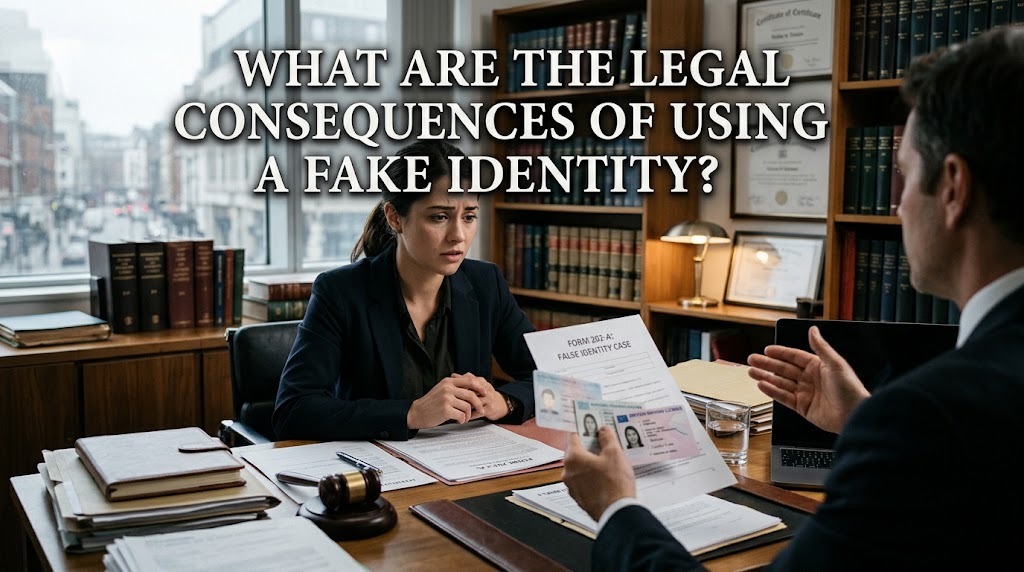
Using a fake identity may seem like a simple way to hide personal information or pretend to be someone else online. However, this action can have serious legal consequences, especially when it involves fraud, identity theft, financial crimes, or the misuse of another person's personal information. As digital communication and online transactions continue to grow, identity-related crimes have become an important concern for individuals, businesses, and law enforcement agencies.
The legal consequences of using a fake identity depend on how the identity is created, how it is used, and whether another person suffers harm. In many jurisdictions, using false information to obtain money, access services illegally, or deceive others can result in criminal charges and financial penalties. Understanding these consequences can help people recognize the importance of protecting personal identities and following applicable laws.
WHAT IS THE ILLEGAL USE OF A FAKE IDENTITY?
The illegal use of a fake identity occurs when someone deliberately uses false personal information or another person's identity to deceive others or gain unauthorized benefits. This may involve creating fake identification documents, using stolen personal information, impersonating another individual, or providing false details during official transactions.
Not every use of an alternative name automatically constitutes a crime. For example, using a nickname or a pseudonym for creative activities may be legally acceptable in certain situations. However, the situation becomes more serious when someone uses false information to commit fraud, avoid legal responsibilities, access restricted services, or damage another person's reputation.
Fake identities can also be used in digital environments, including social media, online banking, e-commerce, and employment applications. Someone may create a false profile to deceive customers, obtain financial benefits, or gain access to another person's account. These activities can violate privacy, consumer protection, financial, and criminal laws, depending on the circumstances.
CRIMINAL PENALTIES FOR USING A FAKE IDENTITY
One of the most serious legal consequences of using a fake identity is criminal prosecution. Individuals who intentionally use false identities to commit fraud, impersonate others, or obtain money illegally may face criminal charges. The severity of the punishment generally depends on the type of offense, the amount of financial loss, the victim's circumstances, and the applicable laws.
In cases involving identity theft, criminals may face additional charges if they use another person's personal information without authorization. This can include stealing identification numbers, accessing financial accounts, or using someone else's identity to obtain loans or other services. Depending on the jurisdiction, these offenses may result in imprisonment, fines, or both.
Document forgery is another serious offense associated with fake identities. Creating, modifying, distributing, or knowingly using fraudulent identification documents can lead to legal action. Authorities may investigate the individuals involved, collect evidence, and pursue prosecution when sufficient evidence establishes a criminal offense.
FINANCIAL AND CIVIL CONSEQUENCES OF IDENTITY FRAUD
Using a fake identity can also create financial responsibilities. If someone uses another person's identity to obtain money, make unauthorized transactions, or cause financial losses, the victim may seek compensation through available legal procedures. The responsible individual may be required to repay stolen funds or cover certain damages.
Civil lawsuits may arise when identity misuse causes financial harm, reputational damage, or violations of personal rights. For example, a person whose photographs or personal information are used without permission may pursue legal remedies depending on the applicable laws. Businesses affected by fraudulent transactions may also take legal action when they experience measurable losses.
In addition to direct financial penalties, individuals involved in identity fraud may experience long-term consequences. A criminal record can affect employment opportunities, professional licensing, financial applications, and public trust. These consequences can continue even after the original offense has been resolved.
LEGAL CONSEQUENCES OF USING A FAKE IDENTITY ONLINE
Using a fake identity on social media or other digital platforms can lead to legal problems when it involves impersonation, fraud, harassment, or unauthorized use of personal information. For example, creating an account that pretends to be another person to collect money or deceive customers may become evidence in a criminal investigation.
Online identity fraud can also involve phishing, account theft, and fraudulent financial transactions. Criminals may use fake profiles, misleading messages, or fabricated business accounts to convince victims to reveal confidential information. Depending on the actions involved, authorities may investigate these activities under cybercrime, fraud, data protection, or other relevant laws.
Social media platforms and digital service providers may also impose account-related consequences. They can remove fraudulent profiles, restrict access, suspend accounts, or report suspected criminal activities to the appropriate authorities when permitted or required by law. However, platform restrictions are separate from criminal penalties imposed by courts.
LEGAL CONSEQUENCES OF USING A FAKE IDENTITY IN INDONESIA
In Indonesia, the legal consequences of using a fake identity depend on the specific actions and laws involved. Several regulations may apply when someone falsifies documents, misuses electronic information, or uses another person's identity to commit fraud.
The Indonesian Criminal Code, or KUHP, which took effect on January 2, 2026, regulates various offenses involving document forgery and fraud. Depending on the facts, relevant provisions may include Article 391 concerning forgery of documents and Article 492 concerning fraud. The applicable penalties depend on the elements of the offense and the evidence presented.
The Personal Data Protection Law, Law Number 27 of 2022, also provides a legal framework for protecting personal information. Article 65 prohibits certain unlawful activities involving personal data, including obtaining or collecting personal data that does not belong to the person for unlawful purposes, as well as unlawfully disclosing or using personal data. Article 67 establishes criminal penalties for specific violations of these provisions.
For electronic identity misuse, other applicable regulations may also need to be considered depending on the circumstances. Not every fake social media profile automatically constitutes a criminal offense. Authorities must examine the person's actions, intentions, evidence, and the specific legal provisions that have been violated.
CONCLUSION
Using a fake identity can result in serious legal consequences, including criminal prosecution, imprisonment, financial penalties, compensation claims, and restrictions on digital accounts. The consequences become more severe when false identities are used for fraud, document forgery, identity theft, or unauthorized access to personal information.
In Indonesia, several legal frameworks address these activities, including the Criminal Code and the Personal Data Protection Law. Therefore, individuals should avoid using false identities to deceive others or obtain unauthorized benefits. Respecting personal information and providing accurate details in official transactions are important steps toward preventing identity-related crimes.
Recent Posts

Bagaimana Sistem SKS pada Program Kuliah... 22.11.2026/37 View

How Does Technology Make Daily Evaluation... 21.11.2026/70 View

Apa Strategi Menghadapi Kesenjangan antara Kompetensi... 21.11.2026/73 View

Mengapa Inventaris Aset Penting bagi Kelancaran... 21.11.2026/68 View

When Should Musicians Join a Record... 21.11.2026/71 View
