

What Are the Main Causes of Broken Families?
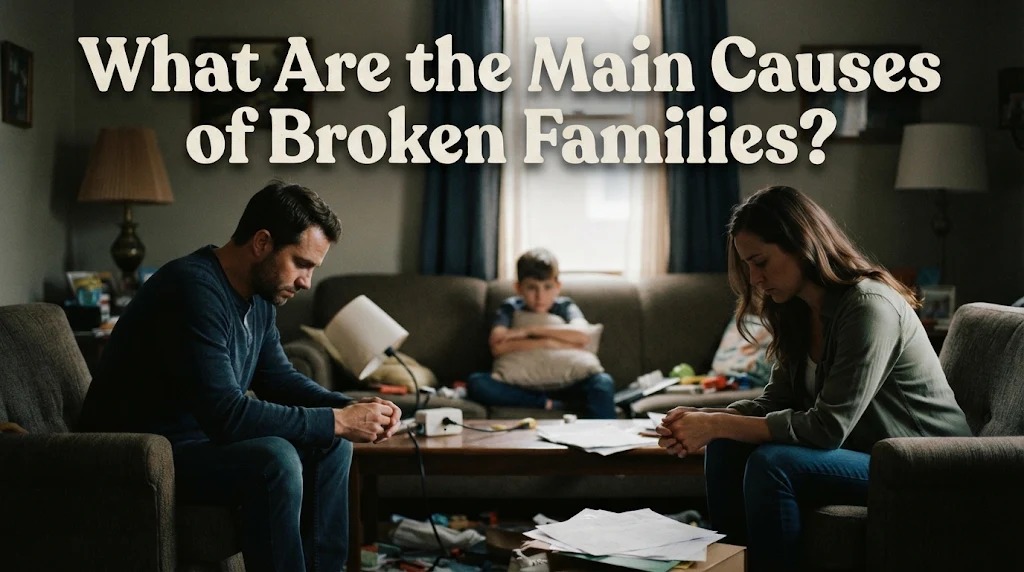
A healthy family plays an important role in shaping a person's character, emotional development, and future. Ideally, a family should provide love, security, communication, and support for every member. However, not all families experience harmonious relationships. Some families face serious problems that lead to separation, constant conflict, or a breakdown in relationships between parents and children. This condition is commonly known as a broken family or broken home.
Broken families can develop for many different reasons, and the situation does not always happen suddenly. Financial difficulties, poor communication, infidelity, domestic violence, and differences in personal values can gradually damage family relationships. Understanding the main causes of broken families is important because it helps people recognize potential problems, improve communication, and find healthier ways to maintain family relationships.
LACK OF COMMUNICATION BETWEEN FAMILY MEMBERS
Poor communication is one of the most common factors that can contribute to family problems. When family members rarely discuss their feelings, needs, and concerns, misunderstandings can develop over time. Parents may struggle to understand their children's problems, while children may feel uncomfortable expressing their thoughts. Without open communication, small disagreements can gradually become serious conflicts.
Another problem occurs when family members refuse to listen to one another or frequently respond with anger and criticism. This behavior can create emotional distance and reduce trust within the household. Healthy communication requires patience, honesty, and mutual respect. By creating opportunities for meaningful conversations, family members can understand each other's perspectives and prevent many conflicts from becoming worse.
FINANCIAL PROBLEMS AND ECONOMIC PRESSURE
Financial difficulties can place considerable pressure on family relationships. When household income is insufficient to cover basic needs, parents may experience stress, anxiety, and frustration. Expenses related to housing, education, healthcare, and daily necessities can become sources of disagreement. If financial problems continue without proper planning, they may increase tension between family members.
Economic pressure can also affect the emotional condition of parents and their ability to provide a stable environment for their children. Arguments about spending habits, debt, unemployment, or unequal financial responsibilities may weaken relationships between partners. However, financial difficulties do not automatically lead to family separation. Open discussions, realistic budgeting, shared responsibilities, and mutual understanding can help families manage financial challenges more effectively.
INFIDELITY AND LOSS OF TRUST IN MARRIAGE
Infidelity is another major cause of broken families because it can seriously damage trust between partners. When one partner becomes involved in an emotional or physical relationship outside the marriage, the other partner may experience disappointment, anger, and emotional pain. The discovery of infidelity can create serious conflicts and make it difficult for couples to maintain a healthy relationship. In some situations, the loss of trust becomes a reason for separation or divorce.
Rebuilding trust after infidelity can be a difficult process that requires honesty, accountability, and a willingness to address the problems within the relationship. Some couples may choose counseling to understand what happened and decide whether their marriage can be repaired. However, reconciliation is not always possible or appropriate, especially when there are ongoing patterns of harmful behavior. Every family situation is different, and decisions should consider the emotional well-being and safety of everyone involved.
DOMESTIC VIOLENCE AND UNHEALTHY FAMILY RELATIONSHIPS
Domestic violence is a serious issue that can destroy family relationships and create an unsafe home environment. It may involve physical violence, emotional abuse, psychological intimidation, sexual violence, or controlling behavior. Victims may experience fear, stress, and a loss of confidence because they do not feel safe in their own homes. When violence becomes part of everyday family life, healthy communication and mutual respect become increasingly difficult.
Children who witness domestic violence may also experience emotional and psychological difficulties. They may feel frightened, confused, or insecure because the people who should protect them are involved in harmful situations. Exposure to repeated violence can affect their behavior, relationships, and sense of safety. Families experiencing domestic violence need appropriate protection and professional support. In situations involving immediate danger, prioritizing the safety of victims and children is essential.
DIFFERENCES IN VALUES AND CONSTANT FAMILY CONFLICTS
Differences in personal values, beliefs, expectations, and lifestyles can create tension between family members. Parents and children may have different opinions about education, friendships, career choices, relationships, or personal freedom. These differences are normal in family life, but problems can arise when individuals refuse to respect one another's perspectives. Constant arguments may gradually weaken emotional connections and create an uncomfortable home environment.
Conflicts can become more serious when family members frequently blame, insult, or criticize one another. Instead of finding solutions, they may focus on proving who is right. Over time, repeated disagreements can create resentment and emotional distance between parents and children. Developing mutual respect, setting healthy boundaries, and learning to compromise can help family members manage differences without damaging their relationships.
LACK OF EMOTIONAL SUPPORT AND PARENTAL RESPONSIBILITY
Emotional support is an important part of a healthy family because every member needs attention, affection, and understanding. When parents are emotionally unavailable or rarely spend meaningful time with their children, children may feel neglected or unimportant. This situation can happen because of excessive work responsibilities, personal problems, unresolved conflicts, or a lack of parenting knowledge. Although parents may provide financial necessities, children also need emotional connection and guidance.
Parental responsibility involves more than providing food, housing, and education. Parents also need to create a safe environment, communicate regularly, guide their children's development, and understand their emotional needs. When these responsibilities are consistently neglected, relationships within the family may become weaker. Providing emotional support, sharing responsibilities, and spending quality time together can help strengthen family relationships and reduce the risk of long-term conflict.
CONCLUSION
Broken families can develop because of several interconnected factors, including poor communication, financial difficulties, infidelity, domestic violence, differences in personal values, and a lack of emotional support. These problems can gradually weaken family relationships when they are not addressed properly. Although some situations may eventually lead to separation or divorce, not every family conflict results in a broken home.
Understanding the main causes of broken families can help individuals recognize relationship problems and take appropriate steps to address them. Healthy communication, mutual respect, shared responsibilities, and emotional support are important foundations of strong family relationships. When problems become difficult to manage, professional assistance may help family members find safer and healthier solutions.
Recent Posts

How Does Technology Make Daily Evaluation... 21.11.2026/57 View

Apa Strategi Menghadapi Kesenjangan antara Kompetensi... 21.11.2026/59 View

Mengapa Inventaris Aset Penting bagi Kelancaran... 21.11.2026/55 View

When Should Musicians Join a Record... 21.11.2026/54 View

Daily Evaluation or Daily Planning Which... 21.11.2026/61 View
