

What Are the Main Differences Between Political Bribery and Vote Buying?
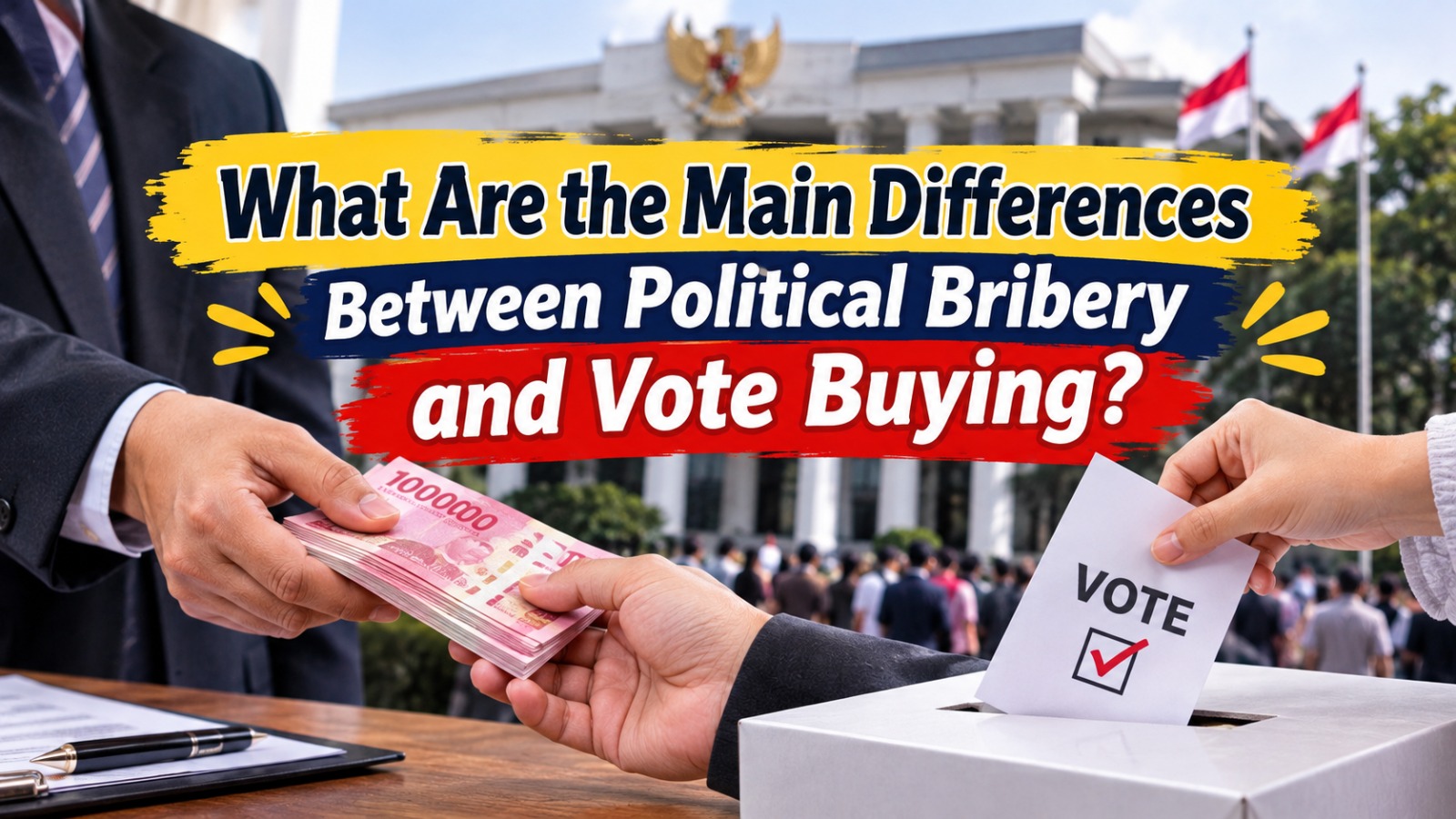
Political bribery and vote buying are two practices that can threaten democratic values and weaken the integrity of government institutions. Both involve the use of money, gifts, or other benefits to influence political decisions for particular interests. Although these practices are closely related, they have different purposes, methods, and consequences. Political bribery generally involves influencing official decisions or obtaining political advantages through illegal benefits, while vote buying specifically focuses on persuading voters to support certain candidates or political parties. Understanding the differences between these practices is important because they can affect elections, government policies, and public trust in different ways. By recognizing their characteristics, citizens can become more aware of political manipulation and contribute to a fairer democratic system.
UNDERSTANDING POLITICAL BRIBERY AND VOTE BUYING
Political bribery refers to the act of offering, giving, receiving, or requesting money, gifts, services, or other benefits to improperly influence political decisions or official responsibilities. This practice may involve politicians, government officials, business representatives, political parties, or individuals who have access to political power. For example, a businessperson may offer money to a government official in exchange for obtaining a public contract or receiving favorable treatment. Political bribery can also involve illegal agreements intended to influence government policies and administrative decisions.
Meanwhile, vote buying is a practice in which candidates, political parties, or their representatives provide money or other benefits to persuade individuals to vote for a particular candidate or political group. This activity commonly occurs during election campaigns and may involve distributing cash, food packages, household goods, or other valuable items. Unlike broader political bribery, vote buying directly targets voters and attempts to influence their electoral choices. Both practices can violate applicable laws and undermine the principles of fairness, transparency, and accountability.
THE MAIN DIFFERENCES IN PURPOSE AND METHODS
The main difference between political bribery and vote buying lies in their objectives. Political bribery generally aims to influence government decisions, obtain special treatment, secure political support, or gain advantages from individuals with political authority. The benefits may be offered before or after a political decision, depending on the agreement between the parties involved. Vote buying, on the other hand, specifically aims to influence voting behavior during an election by providing material benefits in exchange for political support.
Their methods also differ in terms of the individuals involved and the situations in which they occur. Political bribery may happen through private negotiations, financial transactions, hidden agreements, or exchanges involving public officials and business representatives. Vote buying is more commonly associated with campaign activities, where money or goods are distributed directly or indirectly to potential voters. However, these practices can overlap when financial benefits are used to influence both election results and subsequent government decisions. The main distinction is that political bribery has a broader political influence, while vote buying focuses specifically on electoral choices.
THE IMPACT OF BOTH PRACTICES ON DEMOCRACY AND PUBLIC TRUST
Political bribery and vote buying can both damage democratic integrity because they allow financial interests to interfere with political processes. Political bribery may weaken government institutions when officials make decisions based on personal benefits rather than public responsibilities. This can result in unfair government contracts, ineffective public policies, and the misuse of national resources. When public officials become involved in illegal financial agreements, citizens may question whether government institutions are working for society or serving powerful individuals.
Vote buying creates a different but equally serious threat because it weakens the freedom and fairness of elections. Voters may choose candidates based on immediate financial rewards instead of examining their leadership abilities, political programs, and qualifications. This can create unequal competition between candidates and give financially powerful political groups an unfair advantage. Both practices can eventually reduce public trust, discourage political participation, and weaken citizens' confidence in democratic institutions. Therefore, preventing these activities is essential for maintaining a political system that represents the interests of society.
HOW CITIZENS AND GOVERNMENTS CAN PREVENT POLITICAL BRIBERY AND VOTE BUYING
Preventing political bribery and vote buying requires effective regulations, independent supervision, and consistent law enforcement. Governments should strengthen anti-corruption policies and establish clear rules regarding campaign financing, public procurement, and the responsibilities of political officials. Election supervisory institutions must also monitor campaign activities and investigate suspected vote buying. Meanwhile, anti-corruption agencies should examine suspicious financial transactions and ensure that individuals involved in political bribery are held accountable according to applicable laws.
Citizens also have an important role in protecting democratic processes. They should understand their voting rights, reject offers that attempt to purchase political support, and report suspected violations through official channels. Political education can help people recognize the differences between legitimate campaign activities and illegal financial influence. Political parties should also encourage ethical campaign practices and ensure that candidates compete through realistic programs rather than material incentives. Through cooperation between government institutions and society, political bribery and vote buying can be reduced, creating elections and government systems that are more transparent and trustworthy.
CONCLUSION
Political bribery and vote buying are related practices, but they have different objectives and methods. Political bribery involves the improper exchange of benefits to influence political decisions or official responsibilities, while vote buying specifically attempts to influence voters in exchange for money, gifts, or other advantages. Both practices threaten democratic integrity, weaken government accountability, and reduce public trust. Preventing them requires strong law enforcement, transparent political activities, responsible political parties, and informed citizens. By understanding these differences and rejecting financial manipulation, society can help protect fair elections and strengthen democratic institutions.
Recent Posts

How Does Technology Make Daily Evaluation... 21.11.2026/58 View

Apa Strategi Menghadapi Kesenjangan antara Kompetensi... 21.11.2026/60 View

Mengapa Inventaris Aset Penting bagi Kelancaran... 21.11.2026/56 View

When Should Musicians Join a Record... 21.11.2026/55 View

Daily Evaluation or Daily Planning Which... 21.11.2026/63 View
