

What Are the Main Duties and Responsibilities of Social Volunteers?
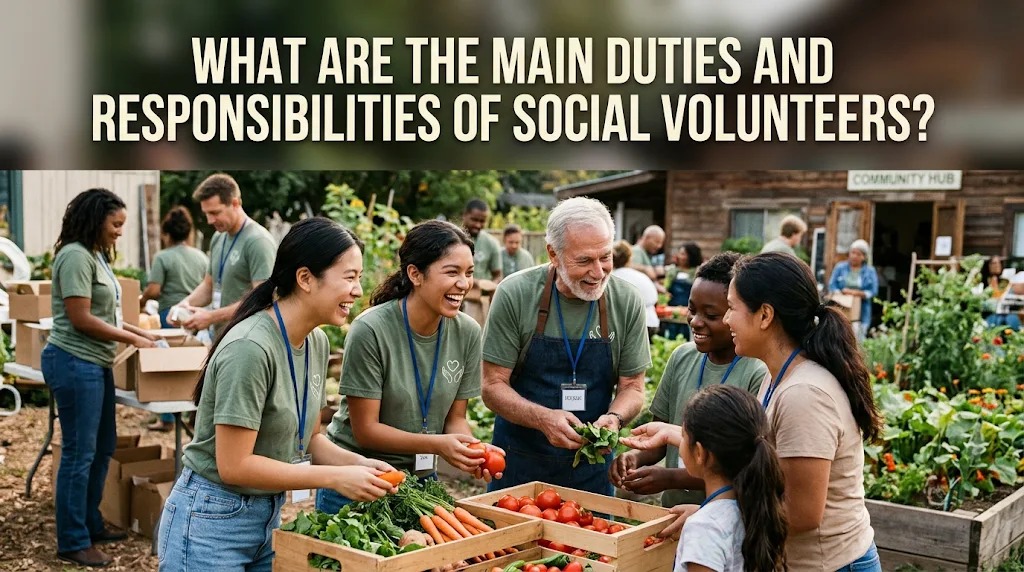
Social volunteers play an important role in helping individuals and communities facing various difficulties. They contribute their time, energy, knowledge, and skills to support people in need without expecting financial rewards. Their activities can include providing food, assisting disaster victims, supporting children and older adults, and participating in environmental programs. Although volunteer activities may seem simple, they can create meaningful changes in people's lives. Understanding the main duties and responsibilities of social volunteers is important for anyone who wants to participate in humanitarian activities and make a positive contribution to society.
PROVIDING ASSISTANCE TO PEOPLE IN NEED
One of the main duties of social volunteers is helping individuals and families who experience difficult situations. They may provide basic necessities such as food, clean water, clothing, medicines, and other essential supplies. This assistance is especially important for people affected by poverty, natural disasters, or other emergencies. Volunteers can also help distribute donations to ensure that resources reach the people who need them most. Through these activities, they help reduce the difficulties experienced by vulnerable communities.
Social volunteers may also provide direct support to children, older adults, people with disabilities, and individuals who live alone. For example, they can accompany older adults during daily activities, assist children with learning, or help people access available social services. The type of assistance depends on the needs of each individual and the abilities of the volunteer. Volunteers should always respect the dignity and personal choices of the people they assist. Their goal is not only to provide temporary help but also to create a supportive and caring environment.
PARTICIPATING IN COMMUNITY DEVELOPMENT ACTIVITIES
Social volunteers also contribute to improving the quality of life in local communities. They can participate in educational programs, public health campaigns, environmental activities, and community development projects. For example, volunteers may organize reading sessions for children, teach basic skills, or help communities understand the importance of maintaining a clean environment. These activities encourage people to become more aware of social issues and take part in finding solutions. Community involvement can also strengthen relationships among residents.
In addition, volunteers can help organize community events and coordinate activities with local organizations. They may assist with planning, preparing equipment, inviting participants, and evaluating the results of a program. Their involvement helps ensure that activities are organized and respond to actual community needs. Volunteers should also listen to local residents before deciding what kind of assistance is necessary. This approach makes social programs more effective because the community becomes an active part of the process.
WORKING WITH TEAMS AND SOCIAL ORGANIZATIONS
Teamwork is another important responsibility of social volunteers. Many social activities involve several people with different skills and backgrounds, so good communication is necessary. Volunteers need to cooperate with other team members, follow instructions, and complete their assigned tasks responsibly. They may work with nonprofit organizations, community groups, schools, healthcare workers, or government institutions. Strong cooperation helps prevent misunderstandings and makes it easier to achieve shared goals.
Social volunteers must also respect the rules and procedures established by the organizations they support. They should attend scheduled activities, communicate when they cannot participate, and report important information to their coordinators. In certain situations, volunteers may need to work under pressure, especially during disaster response or emergency assistance. Remaining calm and following established safety procedures can protect both volunteers and the people receiving assistance. Responsible teamwork makes humanitarian activities safer and more organized.
MAINTAINING ETHICS AND RESPONSIBILITY DURING VOLUNTEER WORK
Being a social volunteer requires more than willingness to help. Volunteers must demonstrate honesty, discipline, empathy, and respect toward everyone they meet. They should treat people fairly regardless of their economic background, age, gender, or personal circumstances. They must also avoid making promises they cannot fulfill or using their position to gain personal advantages. These ethical principles help build trust between volunteers, organizations, and communities.
Protecting personal information is also an important responsibility. Volunteers may encounter private details about someone's health, family, financial situation, or personal difficulties. Such information should not be shared without proper permission, especially through social media. Volunteers should also understand the limits of their abilities and avoid performing tasks that require professional qualifications they do not have. When a situation requires specialized support, they should contact qualified professionals or the responsible organization. Following these principles helps ensure that assistance is respectful, safe, and beneficial.
CONCLUSION
Social volunteers have several important duties, including helping people in need, participating in community development, working with social organizations, and maintaining ethical behavior. Their contributions can improve access to basic necessities, support education, strengthen communities, and encourage greater social awareness. However, volunteering also requires commitment, discipline, empathy, and responsibility. Every volunteer should understand the needs of the people they assist and respect the rules of the organization they work with. By carrying out these responsibilities properly, social volunteers can create meaningful and lasting positive changes in society.
Recent Posts

Bagaimana Sistem SKS pada Program Kuliah... 22.11.2026/27 View

How Does Technology Make Daily Evaluation... 21.11.2026/65 View

Apa Strategi Menghadapi Kesenjangan antara Kompetensi... 21.11.2026/65 View

Mengapa Inventaris Aset Penting bagi Kelancaran... 21.11.2026/62 View

When Should Musicians Join a Record... 21.11.2026/63 View
