

What Are the Main Duties and Responsibilities of the General Elections Commission?
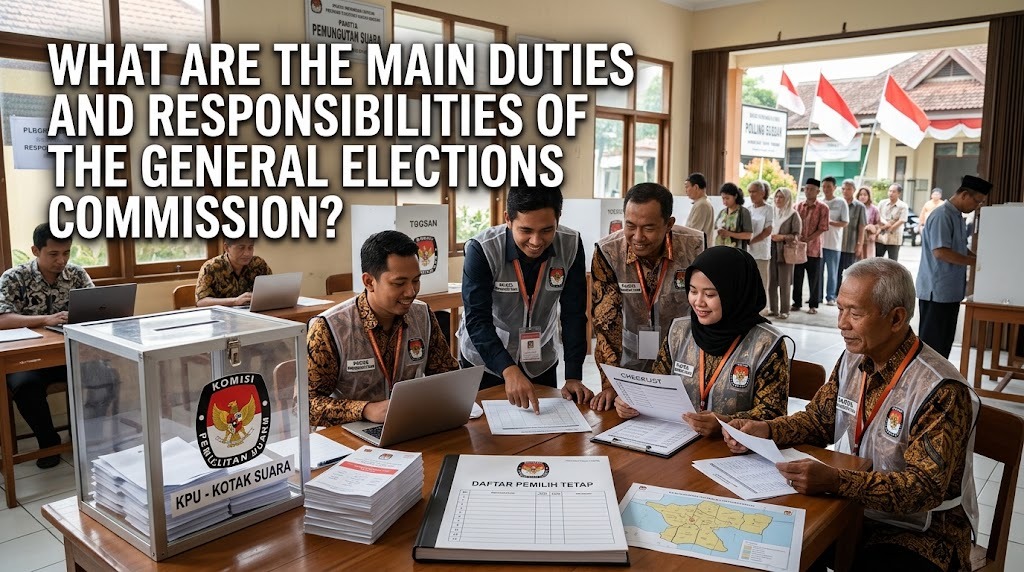
The General Elections Commission (KPU) is an independent institution responsible for organizing general elections in Indonesia. It plays a central role in ensuring that elections are conducted in accordance with applicable laws, democratic principles, and established procedures. The commission manages various stages of the electoral process, starting from election planning and voter registration to vote counting and the announcement of official results. Its responsibilities are essential because elections determine the political representatives and leaders who will govern the country.
In Indonesia, the KPU operates at several administrative levels, including national, provincial, and regency or municipal levels. Each level has specific responsibilities that support the overall election process. The commission must also coordinate with other election-related institutions to maintain an organized and accountable system. Understanding the main duties and responsibilities of the KPU helps citizens recognize how elections are managed and why professional election administration is important for democracy in Indonesia.
PLANNING AND ORGANIZING ELECTION ACTIVITIES
One of the primary responsibilities of the General Elections Commission is planning and organizing elections from the beginning until the final stages. The KPU prepares election programs, determines schedules, and manages the budgets needed to support electoral activities. It also establishes technical regulations and procedures to ensure that every stage follows applicable election laws. Proper planning is necessary because elections involve millions of voters, thousands of polling stations, and numerous election officers across Indonesia. Without effective coordination, election activities could experience delays and administrative problems.
The commission also coordinates with provincial and regency or municipal election commissions to ensure that preparations are carried out consistently. These regional institutions help implement election activities according to their respective responsibilities. The KPU must monitor the progress of preparations and address operational difficulties that may arise. Effective election planning helps ensure that voting activities can take place in an organized, timely, and accountable manner.
MANAGING AND UPDATING VOTER REGISTRATION DATA
Another important duty of the KPU is managing voter registration data to ensure that eligible citizens can participate in elections. The commission works with relevant government institutions to obtain population information and update voter records. This process includes checking voter identities, reviewing eligibility, and identifying changes in population data. Accurate information is essential to prevent eligible citizens from being excluded from the electoral process. It also helps reduce problems such as duplicate voter records and incorrect registration information.
After the verification and updating process, the commission establishes the Permanent Voter List (Daftar Pemilih Tetap or DPT) according to applicable regulations. Citizens can use voter information services to check their registration status and identify their assigned polling stations. The KPU must also pay attention to changes that occur before election day. Proper voter data management supports a more accurate and inclusive election process.
VERIFYING POLITICAL PARTIES AND ELECTION CANDIDATES
The KPU is also responsible for handling the administrative requirements of political parties and election candidates. Political parties must fulfill specific legal requirements before they can participate in general elections. The commission conducts administrative verification and other procedures based on applicable regulations. These processes help determine whether political parties meet the necessary requirements to become official election participants. Candidate registration and verification are also important parts of preparing a competitive electoral process.
In addition, the commission manages administrative procedures related to candidate registration and the determination of eligible candidates. These activities must be conducted according to established requirements to ensure equal treatment for election participants. The KPU also publishes relevant information so that the public can understand the candidates participating in an election. Candidate verification helps maintain the credibility of the electoral process by ensuring that participants meet the required legal and administrative standards.
ORGANIZING VOTING AND ELECTION LOGISTICS
Organizing voting activities is one of the most visible responsibilities of the General Elections Commission. The KPU prepares polling stations, coordinates election officers, and distributes voting materials to different regions. These materials include ballot papers, ballot boxes, voting booths, and other necessary equipment. The commission must ensure that all required materials are available before voting begins. It also coordinates with local election bodies to support smooth operations at polling stations.
Election logistics require careful planning because Indonesia has a large geographical area consisting of thousands of islands. Some regions are difficult to access, making the distribution of election materials more challenging. The KPU must consider transportation, storage, security, and delivery schedules to minimize potential disruptions. It also needs to ensure that voting facilities are accessible to eligible voters, including people with disabilities. Proper election logistics help protect the voting process and ensure that citizens can exercise their democratic rights.
COUNTING VOTES AND ANNOUNCING ELECTION RESULTS
After voting activities are completed, the KPU is responsible for managing the official vote-counting and result-recapitulation process according to election regulations. The process begins with counting votes at polling stations and continues through administrative levels until the national level for elections within the KPU's authority. Election officers record the results in official documents, which are then used during the recapitalization process. The commission must ensure that these records are properly managed and that the results are communicated transparently. This responsibility is important because election results determine which candidates and political parties receive public support.
The KPU also prepares official records and certificates of vote-counting recapitulation and provides them to authorized election participants and supervisory institutions. After completing the required procedures, it announces the official election results in accordance with applicable laws. Any decisions and follow-up actions must respect the relevant legal processes. Transparent vote counting helps strengthen public confidence and reduces misunderstandings about election outcomes.
PROVIDING PUBLIC INFORMATION AND EVALUATING ELECTIONS
The General Elections Commission has an important responsibility to provide public election information. Citizens need clear explanations about election schedules, voter registration, candidate information, voting procedures, and other important matters. The KPU shares this information through public announcements, educational activities, and digital communication platforms. These efforts help people understand how elections work and encourage them to participate responsibly. Accessible information also allows citizens to monitor election preparations and follow important developments.
Furthermore, the commission must evaluate election activities and prepare reports on the implementation of each stage. Evaluation helps identify problems, assess administrative performance, and determine improvements for future elections. The KPU also needs to follow up on relevant decisions from election supervisory institutions according to its legal responsibilities. Through public communication, evaluation, and institutional coordination, the commission can improve the quality of election administration. Accountability and continuous improvement are essential for maintaining a professional and trustworthy electoral institution.
CONCLUSION
The General Elections Commission has several important duties and responsibilities in organizing elections in Indonesia. Its main tasks include planning election activities, managing voter registration, verifying political parties and candidates, preparing voting logistics, counting votes, and announcing official results. The commission is also responsible for providing public information and evaluating election implementation. All these responsibilities must be carried out professionally, transparently, and according to applicable regulations. By fulfilling its duties effectively, the KPU helps protect citizens' voting rights and strengthen the quality of Indonesian democracy.
Recent Posts

Bagaimana Sistem SKS pada Program Kuliah... 22.11.2026/47 View

How Does Technology Make Daily Evaluation... 21.11.2026/74 View

Apa Strategi Menghadapi Kesenjangan antara Kompetensi... 21.11.2026/76 View

Mengapa Inventaris Aset Penting bagi Kelancaran... 21.11.2026/72 View

When Should Musicians Join a Record... 21.11.2026/76 View
