

What Are the Main Duties of a Homeroom Teacher in Classroom Management?
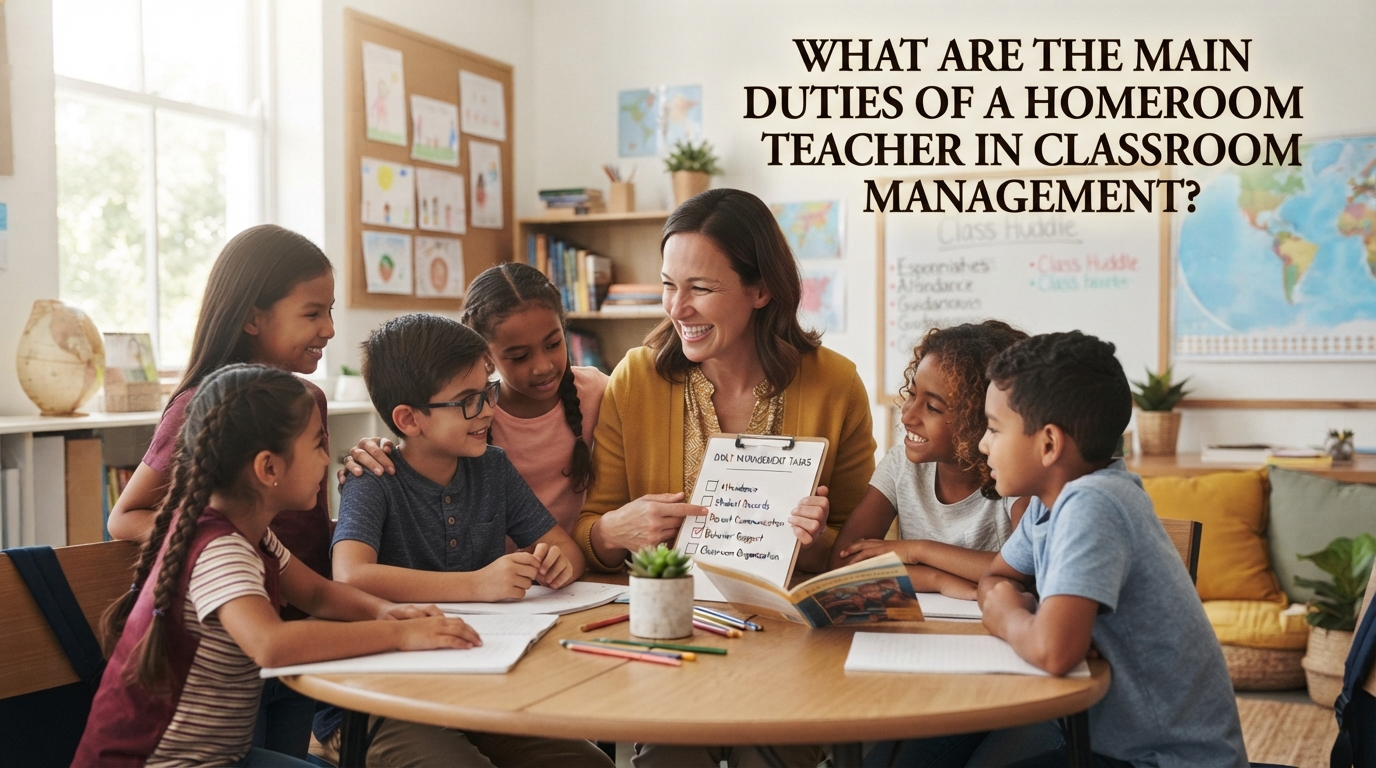
A homeroom teacher plays an essential role in maintaining an organized, disciplined, and supportive classroom environment. Their responsibilities go beyond delivering lessons because they also manage student behavior, monitor attendance, organize classroom activities, and ensure that students follow school regulations. Effective classroom management helps create a comfortable learning atmosphere where students can concentrate, interact positively, and participate actively in educational activities.
In addition, homeroom teachers act as important coordinators who connect students, parents, subject teachers, and school management. They must understand students' individual characteristics and respond appropriately to different classroom situations. Through good communication, consistent supervision, and fair decision-making, homeroom teachers can maintain classroom order while supporting students' academic and personal development.
ESTABLISHING CLASSROOM RULES AND EXPECTATIONS
One of the main duties of a homeroom teacher is establishing clear classroom rules and expectations. These rules help students understand appropriate behavior, respect others, and recognize their responsibilities during learning activities. Teachers should explain classroom regulations in simple language so that every student understands what is expected. Examples include arriving on time, completing assignments, maintaining cleanliness, and respecting classmates.
Homeroom teachers should also apply classroom rules consistently and fairly. Students need to understand that regulations are designed to create a safe and organized learning environment rather than simply restrict their activities. Teachers can involve students in developing appropriate classroom agreements to encourage cooperation and responsibility. Clear expectations help prevent misunderstandings and make classroom management more effective.
MAINTAINING STUDENT DISCIPLINE
Maintaining student discipline is another important responsibility of a homeroom teacher. Teachers must supervise students' behavior and ensure that classroom activities take place without unnecessary disturbances. They should encourage positive habits such as punctuality, honesty, responsibility, and respect for others. Consistent supervision helps students understand the importance of following school regulations.
When students demonstrate inappropriate behavior, homeroom teachers should respond calmly and professionally. They need to understand the reasons behind the behavior before deciding on an appropriate response. Constructive guidance, individual discussions, and reasonable consequences can help students recognize their mistakes and improve their actions. Effective discipline focuses on building positive behavior, not simply punishing students.
MANAGING STUDENT ATTENDANCE AND PUNCTUALITY
Homeroom teachers are generally responsible for monitoring students' attendance and punctuality. They record daily attendance, identify students who are frequently absent, and follow up when necessary. Accurate attendance records help schools understand students' participation in educational activities. They can also reveal patterns that may indicate academic, personal, or family-related difficulties.
When students are frequently absent or arrive late, homeroom teachers should communicate with parents or guardians to understand the situation. They can discuss possible solutions and coordinate with relevant school staff when additional support is needed. Teachers should also remind students about the importance of attending classes regularly and managing their time responsibly. This responsibility supports student attendance and helps maintain consistent learning activities.
ORGANIZING CLASSROOM ACTIVITIES AND SCHEDULES
A well-organized classroom requires effective planning and coordination. Homeroom teachers help organize daily classroom activities, communicate important schedules, and ensure that students understand their responsibilities. They may coordinate classroom cleaning duties, group activities, class meetings, and other school programs. Proper organization allows educational activities to run more smoothly.
Furthermore, homeroom teachers should provide clear information about changes in schedules, assignments, examinations, and school events. They need to coordinate with subject teachers and school staff to prevent confusion or overlapping activities. Students should also receive enough guidance to prepare for their responsibilities. Through effective planning, teachers can improve classroom organization and create a more productive learning environment.
MONITORING STUDENT BEHAVIOR AND PARTICIPATION
Monitoring student behavior and participation helps homeroom teachers understand classroom conditions. They should observe how students interact with classmates, respond to instructions, and participate in learning activities. These observations can help identify students who are highly engaged as well as those who may need additional guidance. Teachers should also pay attention to changes in students' behavior that could affect their learning experiences.
When problems arise, homeroom teachers can discuss them with students and provide suitable recommendations. They may also coordinate with subject teachers to understand whether similar challenges occur in other classes. This cooperation helps teachers identify possible solutions and provide more consistent support. Regular monitoring encourages positive student behavior and helps maintain a balanced classroom atmosphere.
CREATING A SAFE AND COMFORTABLE LEARNING ENVIRONMENT
Creating a safe and comfortable learning environment is an important part of classroom management. Homeroom teachers must help ensure that students feel respected, accepted, and protected from bullying, discrimination, and other inappropriate behavior. They should encourage students to communicate politely and respect differences in opinions, backgrounds, and abilities. A positive classroom atmosphere allows students to focus on learning without unnecessary fear or pressure.
Teachers should also maintain classroom cleanliness, encourage proper use of learning facilities, and promote healthy interactions among students. When conflicts occur, they need to address the situation fairly and guide students toward peaceful solutions. Students should feel comfortable asking questions and expressing their opinions without being humiliated. These efforts help establish a safe learning environment that supports academic and social development.
COMMUNICATING WITH PARENTS AND SUBJECT TEACHERS
Effective communication is necessary for successful classroom management. Homeroom teachers serve as a communication link between students, parents, subject teachers, and school management. They share relevant information about attendance, academic progress, behavior, and classroom activities. Good communication ensures that everyone involved understands students' needs and responsibilities.
Homeroom teachers should also discuss classroom challenges with subject teachers and parents when appropriate. For example, if a student frequently disrupts lessons or experiences learning difficulties, cooperation can help identify the underlying causes. Teachers and parents can then agree on suitable steps to support improvement. Through consistent communication, homeroom teachers can strengthen school cooperation and create a more coordinated approach to student supervision.
PROVIDING GUIDANCE AND SOLVING CLASSROOM CONFLICTS
Classroom conflicts may occur because of differences in opinions, misunderstandings, competition, or personal disagreements. Homeroom teachers have an important role in helping students handle these situations appropriately. They should listen to the students involved, understand different perspectives, and avoid making unfair judgments. Their guidance should encourage students to communicate respectfully and find reasonable solutions.
In addition, teachers can use classroom discussions and group activities to teach conflict resolution skills. Students should learn how to control their emotions, respect other people's opinions, and take responsibility for their actions. Serious or repeated conflicts may require cooperation with school counselors or other relevant staff. By providing appropriate guidance, homeroom teachers can develop problem-solving skills and maintain positive relationships among students.
CONCLUSION
The main duties of a homeroom teacher in classroom management include establishing classroom rules, maintaining discipline, managing attendance, organizing activities, monitoring student behavior, and creating a safe learning environment. They also have responsibilities in communicating with parents and subject teachers, providing student guidance, and resolving classroom conflicts. These duties require patience, leadership, communication skills, and a strong sense of responsibility.
Ultimately, effective classroom management is not only about maintaining order but also about helping students develop positive habits and become responsible individuals. A capable homeroom teacher can create a supportive classroom where students feel comfortable, respected, and motivated to learn. Through consistent supervision and cooperation with the school community, homeroom teachers contribute significantly to a productive learning environment and successful student development.
Recent Posts

How Does Technology Make Daily Evaluation... 21.11.2026/56 View

Apa Strategi Menghadapi Kesenjangan antara Kompetensi... 21.11.2026/58 View

Mengapa Inventaris Aset Penting bagi Kelancaran... 21.11.2026/52 View

When Should Musicians Join a Record... 21.11.2026/53 View

Daily Evaluation or Daily Planning Which... 21.11.2026/60 View
