

What Are the Main Responsibilities of a Village Tourism Awareness Group?
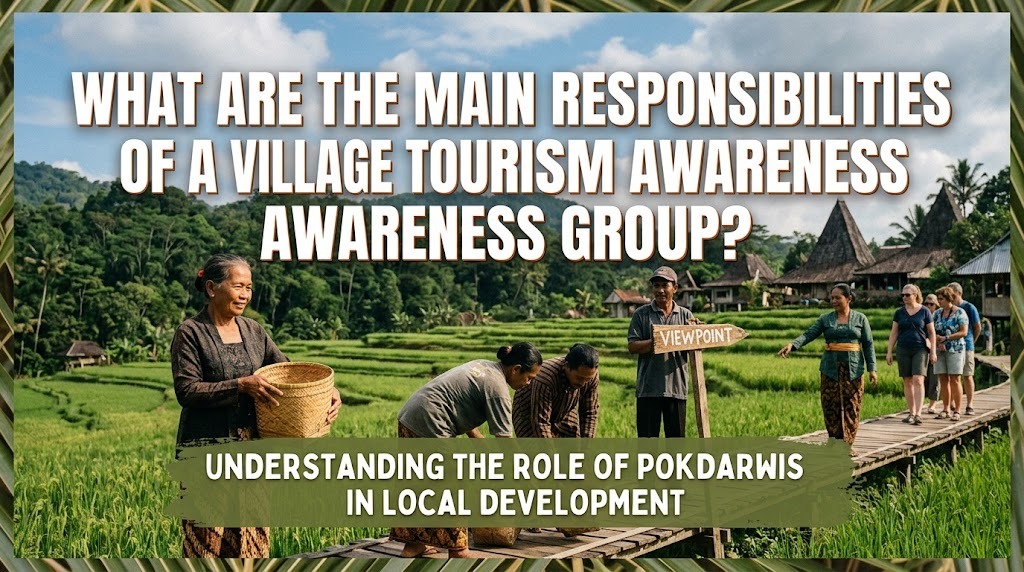
Village tourism awareness groups play an important role in developing tourism destinations by involving local communities in planning, managing, and promoting tourism activities. These organizations encourage residents to recognize the potential of their village and use local resources responsibly. Their responsibilities extend beyond attracting visitors because they also focus on maintaining destination quality, preserving cultural heritage, and supporting the local economy. Through organized activities and cooperation with various stakeholders, village tourism awareness groups can help create tourism destinations that provide long-term benefits for the community. Understanding their main responsibilities is essential for building successful and sustainable village tourism.
IDENTIFYING AND DEVELOPING LOCAL TOURISM POTENTIAL
One of the main responsibilities of a village tourism awareness group is identifying the tourism potential available in its surrounding area. Members need to recognize attractions that can interest visitors, such as natural landscapes, traditional villages, historical buildings, cultural performances, local crafts, and regional culinary products. This process helps communities understand which resources can be developed into attractive tourism experiences. They must also consider the uniqueness and condition of each attraction before deciding on suitable development activities.
After identifying potential attractions, the group can help develop them through organized programs and community participation. For example, a village with beautiful agricultural landscapes can introduce educational farming activities, while an area with traditional crafts can organize workshops for tourists. These initiatives should consider local needs, available resources, and environmental conditions. Through proper planning, local tourism potential can become a valuable asset that supports village development.
ORGANIZING AND MANAGING TOURISM ACTIVITIES
Village tourism awareness groups are responsible for helping organize tourism activities so that visitors can enjoy safe, comfortable, and enjoyable experiences. Their tasks may include arranging cultural events, preparing tourism packages, coordinating local guides, and providing information about available attractions. They can also establish schedules and guidelines to ensure that tourism activities run smoothly. Good organization helps prevent confusion and improves the overall quality of visitor services.
In addition, members need to coordinate with residents who provide tourism-related services. For example, local business owners, homestay operators, food vendors, and transportation providers can work together to support visitor needs. The group can help establish communication between these service providers and encourage consistent service standards. With effective tourism management, village destinations can become more organized, attractive, and competitive.
PROMOTING TOURISM DESTINATIONS TO ATTRACT VISITORS
Promotion is another important responsibility because attractive tourism destinations need to be introduced to potential visitors. Village tourism awareness groups can create promotional materials containing information about attractions, activities, facilities, accessibility, and local specialties. They can distribute this information through brochures, community events, tourism exhibitions, and digital platforms. Effective promotion helps people discover destinations that may not yet be widely recognized.
Social media platforms such as Instagram, Facebook, TikTok, and YouTube can also support tourism promotion. Members can publish photographs, videos, visitor experiences, and information about upcoming activities. They should ensure that promotional content provides accurate information and reflects the actual conditions of the destination. By developing consistent tourism promotion strategies, groups can increase public awareness and encourage more people to visit their villages.
MAINTAINING CLEANLINESS, SAFETY, AND ENVIRONMENTAL QUALITY
A village tourism awareness group must encourage residents to maintain clean and attractive tourism environments. Cleanliness influences visitor comfort and creates a positive impression of the destination. Members can organize regular community clean-up activities, provide waste disposal facilities, and encourage visitors to avoid littering. They can also work with local authorities to maintain public toilets, walking paths, parking areas, and other supporting facilities.
Safety and environmental protection are equally important. Groups can help identify potential hazards, provide visitor information, establish basic safety guidelines, and coordinate with relevant authorities when problems occur. They should also encourage responsible tourism practices that protect natural resources and prevent environmental damage. Through environmental awareness and safety management, destinations can remain comfortable and sustainable for residents and visitors.
EMPOWERING COMMUNITIES AND PRESERVING LOCAL CULTURE
Another important responsibility is encouraging residents to participate in tourism development and benefit from the opportunities it creates. Village tourism awareness groups can involve local people in providing accommodation, transportation, food, handicrafts, guiding services, and other tourism-related activities. They can also organize training programs to improve communication, hospitality, entrepreneurship, and tourism management skills. These activities help residents become more confident and capable of participating in the local tourism economy.
Cultural preservation should also remain a priority. Groups can encourage communities to introduce traditional dances, regional music, local ceremonies, traditional architecture, and culinary heritage to visitors. These activities should be conducted respectfully without changing the essential meaning of local traditions. By involving younger generations in cultural programs, groups can help maintain valuable heritage while introducing it to a wider audience. Community empowerment and cultural preservation allow tourism development to strengthen local identity and create shared benefits.
BUILDING PARTNERSHIPS AND EVALUATING TOURISM PROGRAMS
Village tourism awareness groups cannot manage every aspect of tourism development independently. Therefore, they need to establish partnerships with village governments, regional tourism offices, local businesses, educational institutions, and other relevant organizations. These partnerships can provide financial assistance, technical guidance, training opportunities, infrastructure support, and promotional cooperation. Strong communication between stakeholders also helps ensure that tourism programs receive the support needed to operate effectively.
Evaluating tourism activities is equally necessary to determine whether development programs are achieving their objectives. Groups can review visitor numbers, community participation, service quality, local business income, and environmental conditions. They should also collect feedback from visitors and residents to identify problems that need improvement. The evaluation results can become a reference for preparing better programs and allocating resources more effectively. Through partnership development and regular evaluation, village tourism awareness groups can improve their performance and maintain long-term progress.
CONCLUSION
Village tourism awareness groups have several important responsibilities, including identifying local tourism potential, managing tourism activities, promoting destinations, maintaining environmental quality, empowering communities, preserving culture, and building partnerships. These responsibilities are closely connected because successful tourism development requires cooperation and consistent management. By carrying out their duties effectively, tourism awareness groups can improve visitor experiences while creating economic and social benefits for local residents. Ultimately, active community participation, responsible management, and sustainable development are essential for building successful village tourism destinations.
Recent Posts

Bagaimana Sistem SKS pada Program Kuliah... 22.11.2026/37 View

How Does Technology Make Daily Evaluation... 21.11.2026/70 View

Apa Strategi Menghadapi Kesenjangan antara Kompetensi... 21.11.2026/73 View

Mengapa Inventaris Aset Penting bagi Kelancaran... 21.11.2026/68 View

When Should Musicians Join a Record... 21.11.2026/71 View
