

What Are the Main Roles and Responsibilities of an Event Organizer?
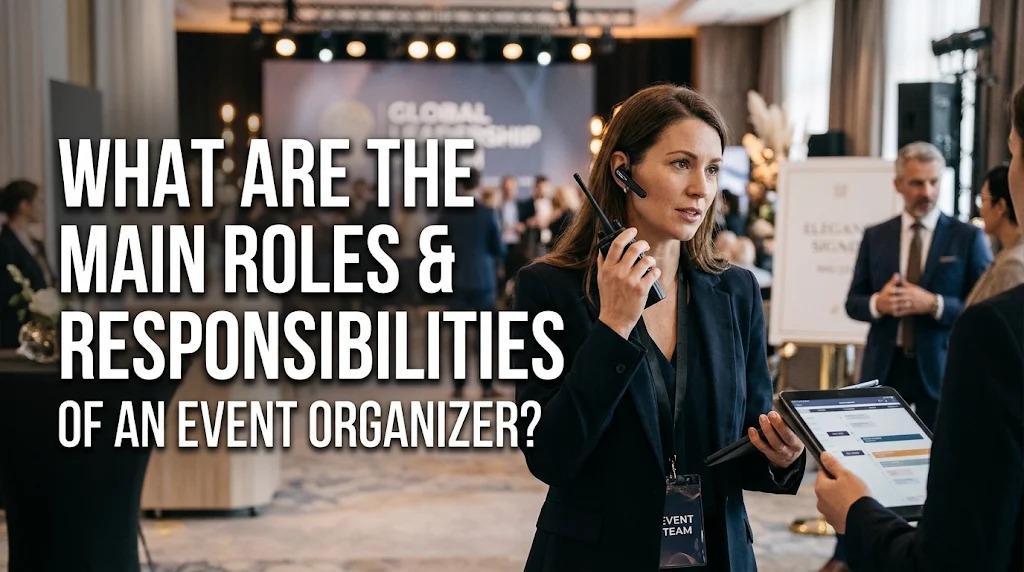
An event organizer plays an important role in ensuring that an event is planned and carried out successfully. From small private celebrations to large corporate gatherings, every event requires preparation, coordination, and proper management. Event organizers work with clients, vendors, staff members, and other parties to make sure that different activities run according to plan. Their responsibilities often begin long before the event takes place and continue until the final evaluation is completed. Understanding the main roles and responsibilities of an event organizer can help business owners, clients, and aspiring professionals recognize the importance of this profession.
PLANNING AND DEVELOPING EVENT CONCEPTS
One of the main responsibilities of an event organizer is developing a clear concept based on the client's objectives. The process begins by understanding the purpose of the event, the expected audience, the preferred theme, and the available budget. For example, a wedding requires a different concept from a corporate seminar or product launch. Organizers must consider these differences when preparing the overall event plan.
After understanding the client's expectations, the organizer develops a detailed plan covering the event format, venue requirements, schedule, decoration, and supporting services. They may also prepare a proposal that explains the concept, estimated expenses, and responsibilities of each party. A well-developed plan helps everyone involved understand what needs to be prepared. It also provides a reference for monitoring progress throughout the preparation process.
MANAGING BUDGETS AND EVENT EXPENSES
Budget management is another essential responsibility of an event organizer. Every event has financial limitations that influence the selection of venues, vendors, equipment, and additional services. Organizers need to estimate expenses and allocate funds according to the client's priorities. They should also communicate costs clearly so that clients understand what is included in the proposed service.
During the preparation process, organizers monitor expenses to ensure that spending remains within the agreed budget. They may compare vendor offers, review payment schedules, and prepare records of financial transactions. It is also important to allocate funds for unexpected requirements that may arise during the event. Effective financial management helps prevent unnecessary spending and supports more responsible decision-making.
COORDINATING VENDORS AND EVENT TEAMS
An event usually involves several service providers who have different responsibilities. These may include caterers, photographers, decorators, venue managers, entertainers, security personnel, and technical teams. The event organizer acts as a central coordinator who communicates with these parties and ensures that their work follows the event plan. Without clear coordination, delays and misunderstandings can affect the overall preparation.
Organizers need to explain schedules, responsibilities, technical requirements, and delivery arrangements to every relevant vendor. They should also confirm important details before the event begins. During the preparation stage, regular communication helps identify potential problems early. Strong coordination ensures that different services work together toward the same event objectives.
SUPERVISING EVENT OPERATIONS
On the event day, organizers are responsible for supervising operational activities and ensuring that the schedule is followed. Their tasks may include checking venue readiness, monitoring equipment, coordinating guest registration, and communicating with vendors. They also need to make sure that the event team understands their individual duties. Careful supervision helps maintain order and supports a smooth experience for participants.
Unexpected situations can occur even when an event has been carefully planned. For example, a vendor may arrive late, equipment may require technical adjustments, or the schedule may need to change. Event organizers must respond calmly, communicate with the relevant parties, and identify practical solutions. Their ability to manage operational challenges is an important part of professional event management.
EVALUATING EVENTS AND MAINTAINING CLIENT RELATIONSHIPS
An event organizer's responsibilities do not end immediately after the event finishes. They may need to oversee the closing process, coordinate equipment returns, and ensure that the venue is left according to the agreed arrangements. Financial records and outstanding payments should also be reviewed. These activities help complete the project in an organized manner.
Evaluation is equally important because it helps organizers understand what worked well and what needs improvement. They can collect feedback from clients, guests, and vendors to assess the overall experience. The results may be used to improve future planning, communication, and service quality. Maintaining good relationships with clients can also encourage repeat orders and recommendations, which support the growth of an event organizing business.
CONCLUSION
The main roles and responsibilities of an event organizer include developing event concepts, managing budgets, coordinating vendors, supervising operations, and evaluating completed events. Each responsibility contributes to the preparation and execution of a successful occasion. Event organizers need strong communication, organizational, financial, and problem-solving skills to handle different requirements. They must also understand customer expectations and maintain professional relationships with everyone involved. By managing each stage carefully, an event organizer can deliver organized services and create a positive experience for clients and participants.
Recent Posts

Bagaimana Sistem SKS pada Program Kuliah... 22.11.2026/34 View

How Does Technology Make Daily Evaluation... 21.11.2026/68 View

Apa Strategi Menghadapi Kesenjangan antara Kompetensi... 21.11.2026/68 View

Mengapa Inventaris Aset Penting bagi Kelancaran... 21.11.2026/66 View

When Should Musicians Join a Record... 21.11.2026/67 View
