

What Are the Most Common Challenges in Implementing School Health Programs?
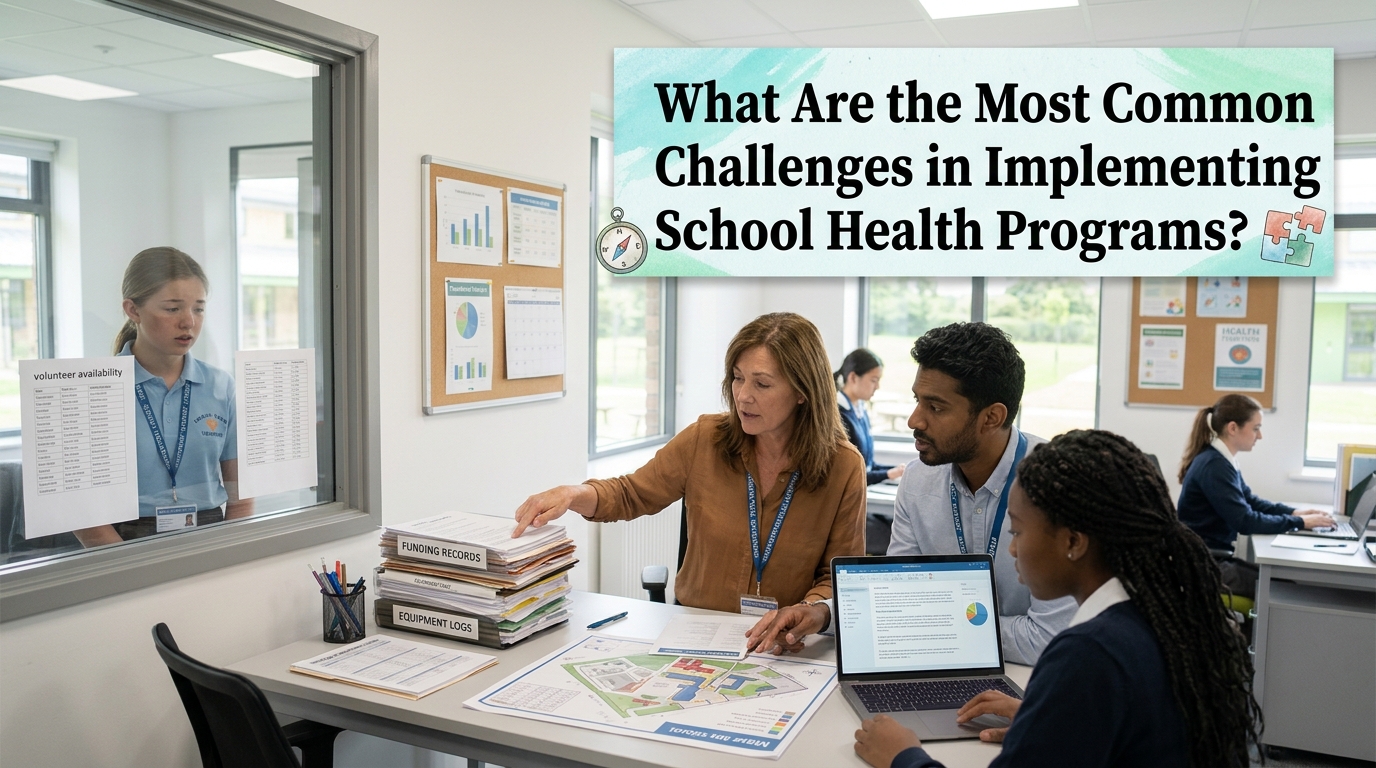
School health programs play an important role in supporting students' physical, mental, and social well-being. Through these programs, schools can provide basic health services, promote healthy habits, prevent diseases, and create a safer learning environment. However, implementing an effective school health program is not always easy. Schools often face various obstacles related to funding, facilities, human resources, student participation, and cooperation between different stakeholders. These challenges can affect the quality and sustainability of health services provided to students.
Understanding the common challenges in implementing school health programs is essential for schools, teachers, parents, and healthcare professionals. By identifying these obstacles, schools can develop better strategies to improve health services and ensure that every student receives appropriate support.
1. LIMITED FUNDING AND FINANCIAL RESOURCES
One of the most common challenges in implementing school health programs is limited funding. Schools need sufficient financial resources to provide health equipment, first aid supplies, educational materials, sanitation facilities, and regular health activities. However, not all schools have the same financial capacity to support these needs. Schools with limited budgets may struggle to maintain health facilities or organize health education activities consistently.
Insufficient funding can also affect the sustainability of school health programs. For example, schools may have difficulty replacing expired medicines, purchasing basic medical equipment, or conducting routine health examinations. To overcome this challenge, schools can include health programs in their annual budgets, seek support from local governments, and collaborate with healthcare institutions or community organizations.
2. LACK OF QUALIFIED HEALTH PERSONNEL
Another major challenge is the shortage of trained health personnel. School health programs require individuals who understand basic healthcare, first aid, health education, and emergency response procedures. However, many schools do not have dedicated healthcare professionals who can provide continuous health services. As a result, teachers or other school staff members may have to handle basic health problems without sufficient medical training.
This situation can create difficulties when students experience injuries, sudden illnesses, or other health concerns at school. Although teachers can provide basic assistance, they should not be expected to replace qualified healthcare professionals. Schools can address this issue by providing regular first aid training, establishing partnerships with nearby health centers, and involving healthcare workers in school health activities.
3. INADEQUATE HEALTH FACILITIES AND EQUIPMENT
Proper facilities and equipment are essential for delivering effective school health services. Unfortunately, some schools do not have adequate health rooms, clean toilets, handwashing stations, or basic medical supplies. These limitations can prevent schools from providing appropriate first aid and maintaining a healthy learning environment.
For example, a school without a properly equipped health room may struggle to provide temporary care for students who feel sick during lessons. Poor sanitation facilities can also increase the risk of infectious diseases and affect students' comfort. Schools should prioritize improvements in sanitation, hygiene, and basic healthcare facilities to ensure that students have access to a safe and supportive environment.
4. LOW STUDENT AWARENESS AND PARTICIPATION
The success of school health programs depends not only on the availability of services but also on student awareness and participation. Some students may not understand the importance of maintaining personal hygiene, eating nutritious food, exercising regularly, or seeking medical assistance when necessary. Others may consider health activities uninteresting or unnecessary, especially when they are not included in their daily routines.
Low participation can reduce the effectiveness of health education campaigns and other preventive activities. For instance, students who do not practice regular handwashing may remain at risk of developing or spreading infectious diseases. To improve participation, schools should introduce engaging activities such as health campaigns, interactive discussions, classroom demonstrations, and student-led health initiatives. These approaches can help students understand that healthy habits are important for their everyday lives.
5. LIMITED COOPERATION BETWEEN SCHOOLS, PARENTS, AND HEALTHCARE PROVIDERS
Effective school health programs require cooperation between several parties, including school administrators, teachers, parents, healthcare professionals, and local communities. However, poor communication and limited coordination can make program implementation more difficult. Each stakeholder may have different priorities, expectations, and levels of involvement, which can affect the consistency of health activities.
For example, schools may provide nutrition education, but students may not receive similar support at home. In other situations, parents may not be fully informed about health examinations, vaccination programs, or school health campaigns. Schools can improve cooperation by organizing regular meetings, sharing health information with parents, establishing partnerships with local health centers, and involving communities in school health activities.
6. LACK OF HEALTH EDUCATION AND TRAINING FOR TEACHERS
Teachers have an important role in supporting students' health because they interact with students every day. However, not all teachers have sufficient knowledge or training to recognize common health problems, respond to emergencies, or deliver accurate health education. Without proper preparation, teachers may feel uncertain about how to handle health-related situations in the classroom.
A lack of training can also make it difficult to identify early signs of physical or emotional problems among students. Schools should provide regular health education and professional development for teachers. Training topics can include basic first aid, personal hygiene, nutrition, mental health awareness, disease prevention, and appropriate referral procedures. With adequate knowledge, teachers can become more confident in supporting school health initiatives.
7. INCONSISTENT PROGRAM IMPLEMENTATION AND MONITORING
Another challenge is maintaining the consistency of school health activities. Some schools may organize health campaigns or medical examinations only during special events without continuing them throughout the academic year. This can make it difficult to establish long-term healthy habits and evaluate whether the programs are achieving their objectives.
In addition, some schools do not have clear monitoring and evaluation systems. Without proper records and regular assessments, schools may struggle to identify weaknesses, measure student participation, or determine which activities need improvement. To address this issue, schools should develop clear implementation plans, measurable objectives, and regular evaluation procedures. Monitoring should involve reviewing program activities, collecting feedback, and assessing whether health services are meeting students' needs.
8. DIFFERENCES IN STUDENTS' HEALTH NEEDS
Students come from different family backgrounds and have different physical, emotional, and social needs. Some may experience nutritional problems, disabilities, chronic health conditions, or mental health difficulties. Therefore, implementing a school health program that addresses every student's needs can be challenging.
A program designed with a general approach may not provide sufficient support for students who require special attention. For example, students with certain medical conditions may need specific health arrangements, while students experiencing emotional difficulties may require counseling or professional referrals. Schools should develop inclusive and student-centered health programs that consider individual differences. They should also establish appropriate referral systems to ensure that students receive support from qualified professionals when necessary.
9. LIMITED TIME AND COMPETITION WITH ACADEMIC ACTIVITIES
Schools often prioritize academic subjects, examinations, and other learning activities. As a result, health education and preventive programs may receive less attention because of limited classroom time and busy academic schedules. Teachers and school administrators may find it difficult to include additional health activities without disrupting regular lessons.
This challenge can reduce students' opportunities to learn about important health topics. However, school health programs do not always require separate or lengthy activities. Schools can integrate simple health messages into classroom lessons, morning routines, physical education, and extracurricular activities. By incorporating health education into everyday school activities, schools can promote healthy behavior without significantly reducing instructional time.
10. INSUFFICIENT COMMUNITY SUPPORT AND PARTNERSHIPS
School health programs become more effective when schools receive support from the surrounding community. However, some schools have limited access to healthcare institutions, local organizations, or community resources that can contribute to health activities. This situation may be caused by limited communication, geographical barriers, or a lack of established partnerships.
Without external support, schools may have difficulty organizing specialized health examinations, providing professional health education, or accessing additional resources. Building partnerships with community health centers, hospitals, local governments, and non-governmental organizations can help schools overcome these limitations. Through collaboration, schools can expand health services, improve access to professional guidance, and create more sustainable health programs.
HOW CAN SCHOOLS OVERCOME THESE CHALLENGES?
Although implementing school health programs involves various obstacles, schools can improve their effectiveness through proper planning and cooperation. The first step is to identify the most urgent health needs and available resources. Schools should then establish realistic objectives, allocate sufficient budgets, and develop activities that match their students' conditions.
Several practical strategies can help schools improve their health programs:
- Strengthen School Funding: Allocate budgets for health facilities, medical supplies, and educational activities.
- Improve Teacher Training: Provide regular training in first aid, health education, and student health awareness.
- Develop Partnerships: Collaborate with parents, healthcare professionals, local governments, and community organizations.
- Encourage Student Participation: Use interactive activities and health campaigns to build healthy habits.
- Improve Health Facilities: Maintain clean toilets, handwashing stations, health rooms, and basic medical equipment.
- Establish Monitoring Systems: Evaluate program activities regularly and use the results to make improvements.
- Promote Inclusive Services: Ensure that health programs consider the different needs and conditions of all students.
Most importantly, school health programs should be implemented consistently rather than treated as occasional activities. Continuous evaluation and cooperation between stakeholders can help schools create a healthier environment that supports students' overall development.
CONCLUSION
Implementing school health programs is essential for creating a healthy, safe, and supportive learning environment. However, schools may face several challenges, including limited funding, a shortage of qualified health personnel, inadequate facilities, low student participation, and weak cooperation between stakeholders. Other obstacles, such as insufficient teacher training, inconsistent monitoring, differences in students' health needs, and limited community support, can also affect program effectiveness.
These challenges can be addressed through better planning, adequate resources, continuous training, active participation, and strong partnerships. Schools should also evaluate their programs regularly to ensure that health services remain relevant and effective. With commitment from school administrators, teachers, parents, healthcare professionals, and communities, school health programs can contribute significantly to students' physical, mental, and social well-being.
Recent Posts

Bagaimana Sistem SKS pada Program Kuliah... 22.11.2026/35 View

How Does Technology Make Daily Evaluation... 21.11.2026/69 View

Apa Strategi Menghadapi Kesenjangan antara Kompetensi... 21.11.2026/69 View

Mengapa Inventaris Aset Penting bagi Kelancaran... 21.11.2026/67 View

When Should Musicians Join a Record... 21.11.2026/68 View
