

What Are the Most Common Reasons for Requesting Work Leave?
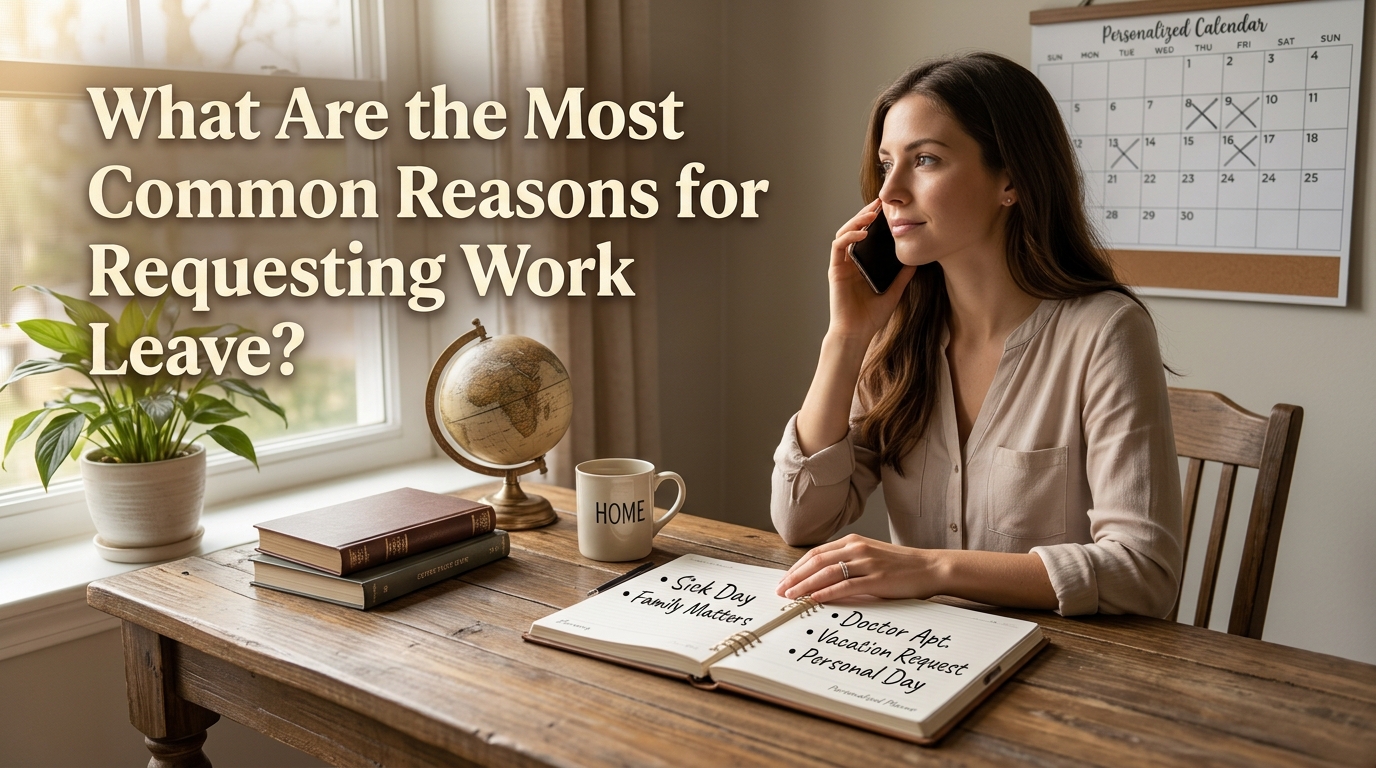
Taking time off from work is a normal part of professional life. Employees may need leave for personal matters, health concerns, family responsibilities, or important events that require their attention. Although the reasons can vary, requesting leave properly is important to maintain good communication with employers and ensure that workplace responsibilities are managed.
Understanding the most common reasons for requesting work leave can help employees choose the appropriate type of leave and prepare a clear application. It also helps managers understand employee needs and organize work schedules more effectively. Whether the leave is planned or unexpected, providing honest information and following company procedures can make the process smoother.
ILLNESS AND MEDICAL TREATMENT
One of the most common reasons employees request work leave is illness. Health problems such as fever, flu, infections, or other medical conditions can make it difficult to perform daily responsibilities. Taking time off allows employees to rest, recover, and avoid spreading contagious illnesses to coworkers.
Employees may also need leave for medical appointments, health examinations, surgery, or ongoing treatment. Depending on company policy, they may be asked to provide a medical certificate or other supporting documents. Health should be a priority, and employees should communicate their condition to their managers as soon as reasonably possible.
FAMILY RESPONSIBILITIES
Family responsibilities are another frequent reason for requesting work leave. Employees may need time to care for sick children, accompany parents to medical appointments, or support family members who require assistance. These situations can sometimes happen unexpectedly and require immediate attention.
Some employees also request leave to attend important family events, such as weddings, graduations, or religious celebrations. The amount and type of leave available may depend on company policies and applicable employment regulations. Balancing family responsibilities and professional duties becomes easier when employees communicate their needs clearly and provide sufficient notice whenever possible.
PERSONAL MATTERS AND IMPORTANT APPOINTMENTS
Employees sometimes need time off to handle personal matters that cannot easily be arranged outside working hours. Examples include visiting government offices, managing legal documents, attending important appointments, or dealing with personal administrative responsibilities. These activities may require employees to be physically present during regular business hours.
In many workplaces, personal matters can be covered by annual leave, personal leave, or another available leave category. Employees should check their company's rules before submitting a request. They generally do not need to share every private detail, but they should provide enough information to explain why time off is necessary. Respecting personal privacy while communicating professionally helps maintain a healthy relationship with the employer.
ANNUAL VACATION AND REST
Annual vacation is a common reason employees request work leave. Taking a break from daily responsibilities allows employees to travel, spend time with loved ones, enjoy personal interests, or simply relax. Regular rest can also help reduce work-related stress and support long-term well-being.
Employees should check their available annual leave balance and submit requests according to company procedures. Planning vacation dates in advance gives managers more time to arrange schedules and distribute responsibilities. Taking time to rest is an important part of maintaining work-life balance, although approval may depend on staffing needs and operational priorities.
MATERNITY, PATERNITY, AND PARENTAL RESPONSIBILITIES
Employees may request leave when welcoming a new child into their family. Maternity leave generally provides eligible employees with time away from work before and after childbirth, while paternity or parental leave may allow parents to support their family during the early stages of a child's life. The specific entitlements vary depending on local employment laws, employment status, and company policies.
Parental leave may also be available in certain adoption or childcare situations, depending on the applicable rules. Employees should contact their human resources department to understand eligibility, required documents, and application procedures. Family-related leave supports employees during important life changes and helps them manage both personal and professional responsibilities.
FAMILY EMERGENCIES
Unexpected family emergencies can require employees to leave work or request immediate time off. Examples include a family member being hospitalized, an accident, an urgent childcare problem, or another serious situation that needs immediate attention. These circumstances may occur without warning, making advance planning impossible.
When an emergency happens, employees should notify their managers as soon as they can. A short explanation is usually sufficient at first, especially when the employee is dealing with an urgent situation. Additional information or supporting documents can be provided later if required by company policy. Prompt communication helps managers understand the situation and make temporary arrangements for the employee's responsibilities.
BEREAVEMENT AND FUNERAL ATTENDANCE
The death of a family member or someone close to an employee may require time away from work. Bereavement leave can give employees an opportunity to attend funeral services, support relatives, and manage arrangements following a loss. It also provides time to handle important matters during an emotionally difficult period.
The duration and eligibility for bereavement leave depend on company policy and applicable employment regulations. Some employers provide specific bereavement leave, while others may allow employees to use annual or personal leave. Employees should inform their managers or HR departments about the situation and follow the required procedure. Showing consideration for personal loss is an important part of a supportive workplace.
EDUCATION AND PROFESSIONAL DEVELOPMENT
Some employees request leave to attend educational activities or professional development programs. These may include examinations, certification courses, workshops, seminars, or training sessions that support their career goals. In some workplaces, these activities are also encouraged because they can improve employee knowledge and skills.
Before submitting a request, employees should explain how the activity relates to their responsibilities or professional growth, if relevant. They should also check whether the company offers study leave or requires them to use annual leave. Some employers may provide paid time off for approved training, while others may have different arrangements. Professional development can benefit both employees and organizations when learning opportunities are planned appropriately.
MENTAL HEALTH AND PERSONAL WELL-BEING
Mental health and personal well-being are important reasons employees may need time away from work. Stress, emotional exhaustion, and difficult personal circumstances can affect concentration, motivation, and overall performance. Taking appropriate time off may help employees rest, seek professional support, and regain their ability to manage daily responsibilities.
Employees should review available leave options and understand their company's confidentiality procedures. They do not always need to disclose detailed personal information, although certain leave types may require specific documentation. If the situation is ongoing, discussing appropriate support or workplace adjustments with HR may also be helpful. Mental well-being deserves attention just like physical health, and seeking support should not be viewed as a lack of professionalism.
RELIGIOUS AND CULTURAL OBSERVANCES
Employees may request leave to observe religious holidays, participate in cultural celebrations, or attend important community events. These occasions can be meaningful opportunities to spend time with family, practice traditions, and maintain personal or cultural connections. Depending on the workplace, some observances may already be covered by public holidays.
When an observance falls on a regular working day, employees may need to request annual leave, personal leave, or another available arrangement. Providing advance notice can help managers organize schedules and consider reasonable workplace arrangements. Employees should follow company policies and applicable laws when making these requests. Respect for religious and cultural observances can contribute to a more inclusive working environment.
HOW TO REQUEST WORK LEAVE FOR DIFFERENT REASONS
The correct way to request work leave depends on the reason for the absence and the rules established by the employer. For planned leave, such as vacations, education, or family events, employees should submit their applications early and include the requested dates. For unexpected situations, such as illness or emergencies, they should notify their managers as soon as reasonably possible.
A professional leave request should generally include the employee's name, position, leave dates, reason for the request, and expected return date. Supporting documents should be attached when required by company policy. Employees should also explain how urgent tasks will be handled during their absence. Clear communication, accurate details, and proper documentation can help managers review requests efficiently.
CONCLUSION
Employees request work leave for many reasons, including illness, family responsibilities, personal matters, vacations, parental duties, emergencies, bereavement, education, mental well-being, and religious observances. Each situation may require a different leave category and application procedure, depending on company policies and local employment regulations.
The most important thing is to communicate honestly, submit requests at the appropriate time, and understand the leave options available. Taking time off when necessary is part of maintaining a healthy balance between work and personal life. By following the correct procedures, employees can manage their needs while maintaining professional relationships and workplace responsibilities.
Recent Posts

Bagaimana Sistem SKS pada Program Kuliah... 22.11.2026/37 View

How Does Technology Make Daily Evaluation... 21.11.2026/70 View

Apa Strategi Menghadapi Kesenjangan antara Kompetensi... 21.11.2026/73 View

Mengapa Inventaris Aset Penting bagi Kelancaran... 21.11.2026/68 View

When Should Musicians Join a Record... 21.11.2026/71 View
