

What Are the Most Effective Strategies for Increasing Community Participation in Literacy Movements?
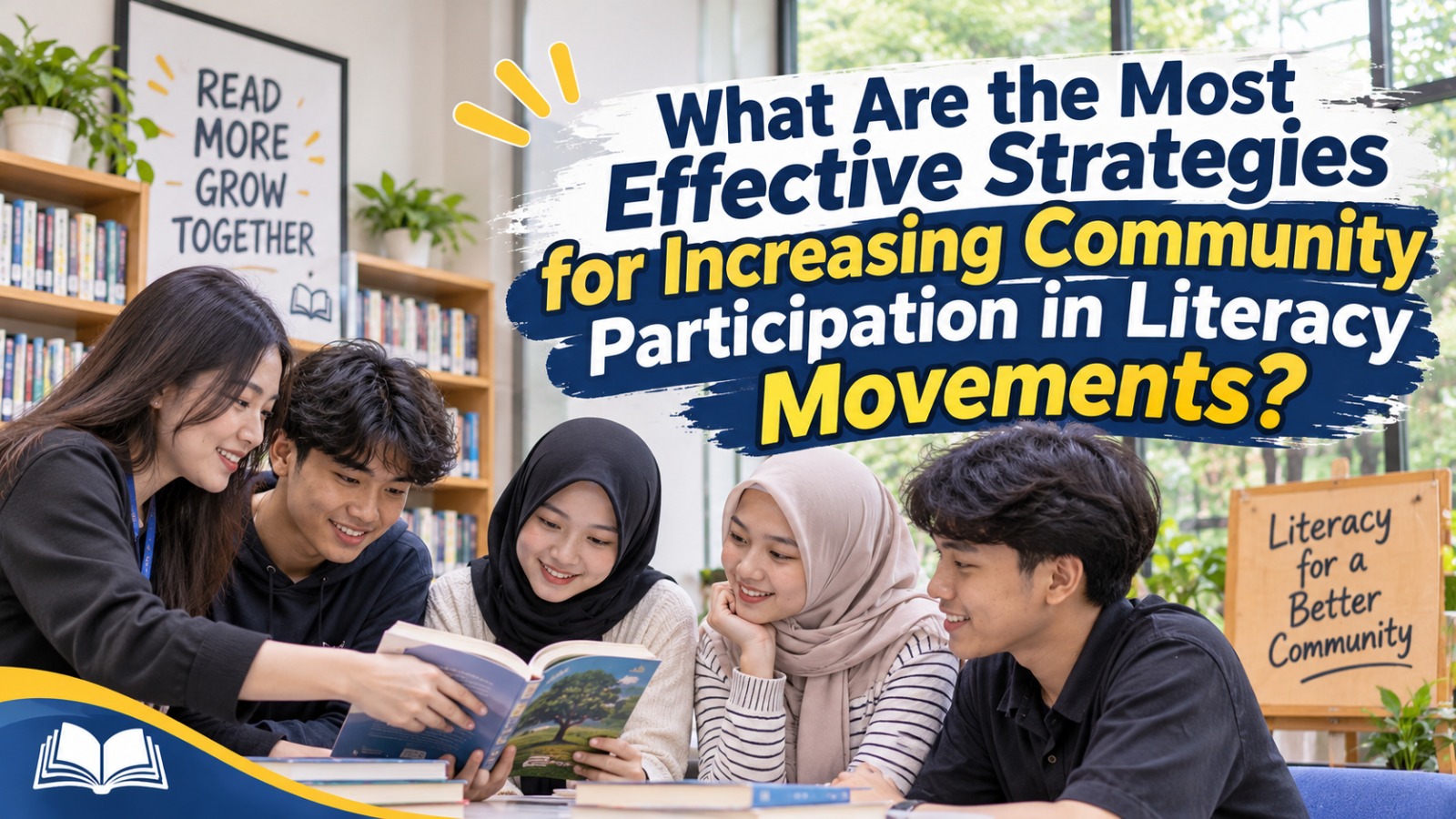
Literacy movements are important initiatives for improving reading interest, expanding knowledge, and developing educational opportunities within communities. However, the success of these programs depends not only on the availability of books and learning facilities but also on active public participation. When community members become involved in literacy activities, they can create a supportive environment that encourages continuous learning. Therefore, effective strategies are needed to attract different groups of people and make literacy movements more accessible, interesting, and sustainable.
UNDERSTANDING THE IMPORTANCE OF COMMUNITY PARTICIPATION
Community participation is an essential factor in developing successful literacy movements. It involves the active contribution of individuals, families, educational institutions, local organizations, and volunteers in promoting reading and learning activities. Through public involvement, literacy programs can reach people from different backgrounds and respond to their educational needs. This participation also creates opportunities for individuals to share knowledge and learn from one another.
Furthermore, community involvement helps establish a sense of shared responsibility for improving literacy levels. People are more likely to support programs when they feel included in the planning and implementation processes. For example, residents can contribute books, volunteer as reading mentors, or organize educational events in their neighborhoods. These collective efforts can strengthen social relationships while encouraging a stronger reading culture.
ORGANIZING INTERESTING AND INTERACTIVE LITERACY ACTIVITIES
One effective strategy for increasing community participation is organizing literacy activities that are enjoyable and relevant to people's interests. Traditional reading programs can be combined with storytelling sessions, book discussions, writing competitions, and educational workshops. These activities provide opportunities for participants to interact, exchange ideas, and discover new information. A welcoming atmosphere can also encourage people who are not accustomed to reading to participate.
Literacy organizers should consider the needs of different age groups when developing their activities. Children may enjoy storytelling and picture-book competitions, while teenagers may prefer creative writing workshops or discussions about current issues. Adults can participate in financial literacy classes, entrepreneurship workshops, and practical reading programs. By providing diverse activities, literacy movements can attract more participants and maintain their interest over time.
BUILDING COOPERATION WITH LOCAL ORGANIZATIONS AND VOLUNTEERS
Cooperation with local organizations can help literacy movements reach a wider audience. Schools, universities, libraries, youth organizations, community groups, and local businesses can contribute resources and support. Each organization can provide different forms of assistance, such as learning facilities, educational materials, funding, or experienced volunteers. Strong partnerships also make literacy programs easier to organize and maintain.
Volunteers play an important role because they can directly encourage people to participate in literacy activities. They can become reading mentors, organize book-sharing events, assist children with reading exercises, and introduce educational materials to residents. Local universities can also involve students in community service programs focused on literacy development. Through consistent collaboration, literacy movements can become more organized and create long-term benefits for society.
UTILIZING DIGITAL PLATFORMS TO EXPAND COMMUNITY PARTICIPATION
Digital technology provides new opportunities to promote literacy movements and connect people with educational resources. Social media platforms can be used to announce reading events, share book recommendations, and publish educational content. These platforms make it easier for organizers to communicate with participants and attract people who may not regularly visit libraries or community learning centers. Digital campaigns can also reach individuals living in different geographical areas.
In addition, online reading communities can encourage people to participate without always attending physical activities. Organizers can create virtual book discussions, online reading challenges, and digital storytelling sessions. Electronic books and digital libraries can provide convenient access to reading materials through smartphones and computers. However, participants should also receive guidance on identifying reliable information and using digital platforms responsibly.
PROVIDING ACCESSIBLE FACILITIES AND READING RESOURCES
Limited access to books and educational facilities can discourage community members from participating in literacy programs. Therefore, providing accessible reading resources should become an important priority. Communities can establish public reading corners, neighborhood libraries, mobile libraries, and shared book collections. These facilities allow residents to explore reading materials without having to travel long distances or spend significant amounts of money.
The availability of suitable reading materials is equally important. Organizers should provide books and educational resources that match the interests, ages, and educational backgrounds of participants. For example, children need illustrated storybooks, while adults may benefit from materials about health, financial management, agriculture, and entrepreneurship. Affordable access to relevant resources can make literacy activities more meaningful and encourage regular participation.
EVALUATING PROGRAMS AND MAINTAINING COMMUNITY INVOLVEMENT
Literacy movements require regular evaluation to ensure that their activities achieve the intended objectives. Organizers can measure participation through attendance records, reading activity reports, participant feedback, and improvements in reading abilities. These indicators help identify successful activities and areas that need further development. Evaluation also allows organizers to understand whether literacy programs are meeting the actual needs of the community.
Maintaining public involvement requires consistent communication and appreciation for participants' contributions. Organizers can recognize active volunteers, introduce new activities, and invite community members to suggest improvements. They should also establish realistic schedules and responsibilities to ensure that programs continue over time. By maintaining cooperation and evaluating results regularly, literacy movements can develop into sustainable community initiatives.
CONCLUSION
Increasing community participation in literacy movements requires effective strategies that combine interesting activities, strong partnerships, digital technology, and accessible educational resources. Communities need opportunities to participate actively through reading clubs, storytelling sessions, educational workshops, and volunteer programs. Cooperation between schools, libraries, local organizations, and residents can also expand the reach of literacy activities.
Furthermore, regular evaluation and consistent communication are necessary to maintain public involvement. Literacy movements should be developed according to the needs and interests of different community groups so that everyone has an opportunity to participate. Ultimately, active community participation can create a stronger reading culture, improve access to knowledge, and support the development of an educated and informed society.
Recent Posts

Bagaimana Sistem SKS pada Program Kuliah... 22.11.2026/28 View

How Does Technology Make Daily Evaluation... 21.11.2026/65 View

Apa Strategi Menghadapi Kesenjangan antara Kompetensi... 21.11.2026/65 View

Mengapa Inventaris Aset Penting bagi Kelancaran... 21.11.2026/62 View

When Should Musicians Join a Record... 21.11.2026/63 View
